 Save
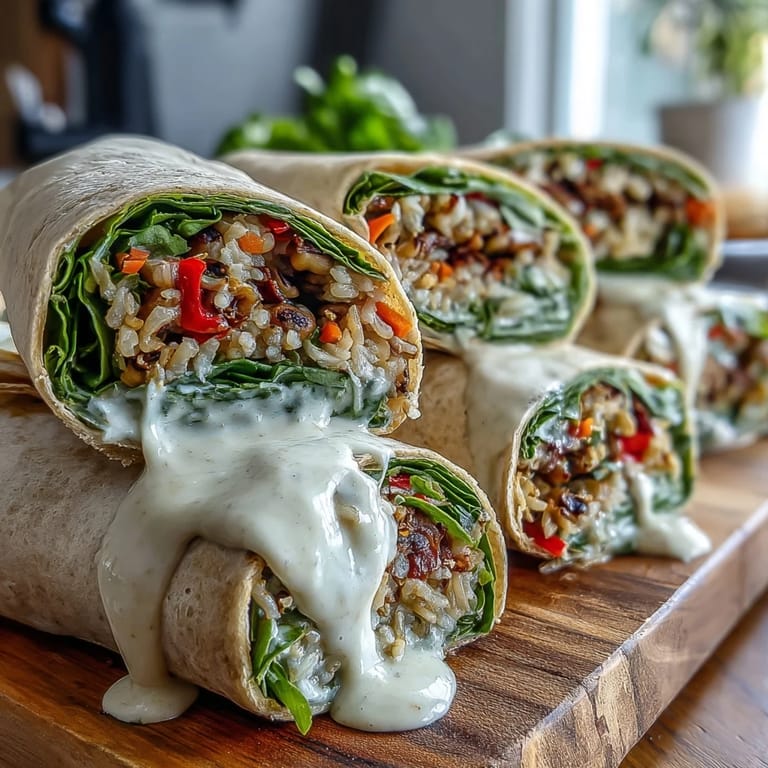
Save There's something about the first time you taste a really good wrap that makes you rethink what lunch can be. I was skeptical, honestly—I'd made plenty of sad desk salads and forgettable sandwiches—but then a friend handed me one of these black-eyed pea wraps at a picnic, still warm from being wrapped in foil, and I bit into this perfect balance of chewy tortilla, creamy tahini, and these little peas that somehow tasted both earthy and bright. It wasn't fancy or complicated, but it felt intentional, like someone actually cared about what went inside.
I remember making these for my roommate when she came home exhausted from back-to-back meetings, and watching her sit down and actually slow down while eating one was worth all the chopping. She asked for the recipe before she even finished, which told me everything I needed to know about how these things work—they're simple enough to teach someone, but they taste like you put real thought into it.
Ingredients
- Black-eyed peas: The unsung hero here—they're nutty and substantial enough to anchor the whole wrap, and if you use canned, just rinse them well so you're not tasting the tin.
- Brown rice or quinoa: Pick whichever one makes you happy; the rice is more forgiving if you're new to this, but quinoa has this satisfying little pop.
- Baby spinach: Raw spinach wilts just slightly from the warmth of the other ingredients, so you get this tender green without any cooking fuss.
- Carrot: Julienne it thin enough that it doesn't fight the tortilla when you roll, but substantial enough to add real crunch and sweetness.
- Red bell pepper: Slice it thin, and don't skip it—the sweetness is crucial for balancing the earthiness of everything else.
- Red onion: Thinly sliced raw onion adds a sharp bite that keeps the wrap from feeling one-note, and it mellows slightly as it sits.
- Cucumber: Those strips of cool cucumber are your insurance policy against the wrap ever feeling heavy.
- Tahini: This is the sauce that makes the whole thing sing; don't be shy with it, and make sure it's good quality or you'll taste the difference.
- Lemon juice: Brightens everything it touches, so don't skimp—two tablespoons is your baseline, but taste as you go.
- Garlic: Minced fine so it distributes evenly through the sauce and doesn't leave sharp little chunks.
- Cumin: Just enough to whisper spice without announcing itself; this is what makes people ask what's different about your tahini sauce.
- Whole wheat tortillas: Get ones that are actually soft and pliable, not the dense cardboard ones—they make or break the wrap experience.
Tired of Takeout? 🥡
Get 10 meals you can make faster than delivery arrives. Seriously.
One email. No spam. Unsubscribe anytime.
Instructions
- Blend your sauce to silky smoothness:
- Whisk tahini with lemon juice first, then oil, then garlic and cumin—add water a tablespoon at a time until you have something that drips off the whisk but isn't thin as water. Taste it and adjust; it should make your mouth water a little bit.
- Warm your tortillas just enough:
- A quick pass in a dry skillet or 10 seconds in the microwave wrapped in a damp towel is all you need—you want pliable, not floppy. Cold tortillas crack; hot ones tear.
- Layer with intention, not chaos:
- Spinach first as a barrier so the tortilla doesn't get soggy, then everything else in a line down the center. Don't overstuff or your wrap will split when you roll it.
- Sauce generously, roll firmly:
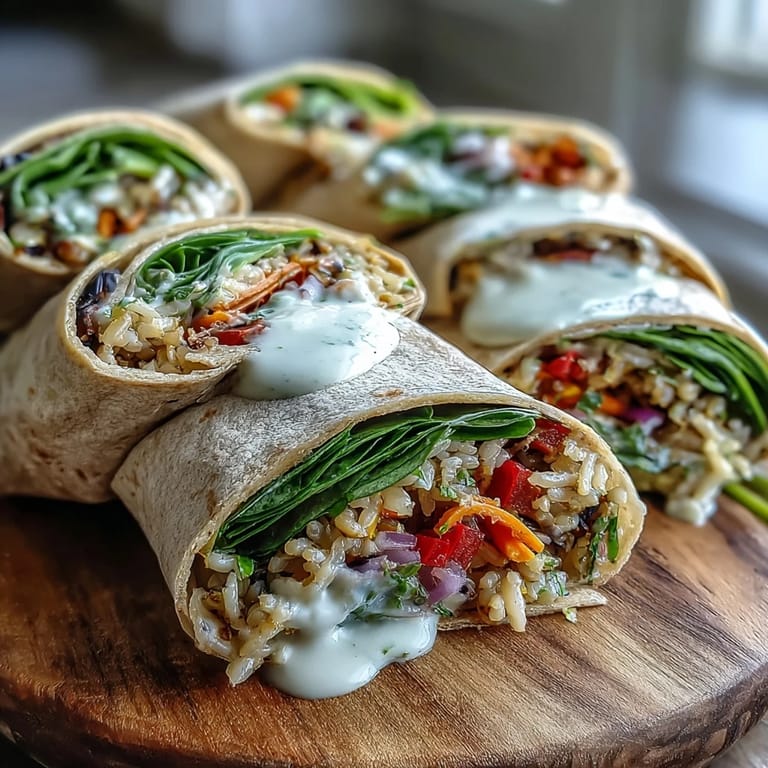
- Drizzle that tahini sauce like you mean it—it's the glue and the flavor. Fold in the sides first, then roll from the bottom up in one confident motion, pressing as you go.
 Save
Save There's a moment when you fold that tortilla closed and everything stays where it's supposed to—the peas don't spill out, the sauce doesn't drip everywhere, the whole thing feels like you actually built something—and that's when you know you've got it right. It's a small thing, but that's kind of the point.
Building Wraps That Actually Hold Together
The secret isn't complicated: everything hinges on your tortilla being warm enough to be flexible without being so hot it tears, and on not treating the filling like you're packing for a move. Less is more here, and I know that sounds like a cliché, but trust me when I say that a well-balanced wrap with room to breathe is infinitely better than one that bursts open the moment you bite into it. The tahini sauce isn't just flavor—it's the actual glue that holds everything together, so get that layer right before you even think about rolling.
Make It Your Own Without Losing What Works
These wraps are a canvas if you want them to be. Fresh cilantro or parsley torn by hand, a swipe of hummus for extra creaminess, a drizzle of hot sauce if you want heat—any of these things work beautifully. I've made them with avocado on mornings when I had time to slice one, and I've made them plain when I was running late, and honestly, they're good both ways. The black-eyed peas and tahini are doing the heavy lifting, so whatever else you add is just you personalizing your lunch.
Timing and Storage Worth Remembering
If you're making these ahead, wrap each one individually in parchment or foil right after rolling—they'll stay fresh in the fridge for a solid day, and the flavors actually get friendlier as they sit. For meal prep, I like to assemble everything the night before but actually roll them in the morning so the tortilla stays supple and the vegetables don't have time to get weepy. These aren't the kind of wraps that get sad an hour after you make them, but they're also not indestructible, so plan accordingly.
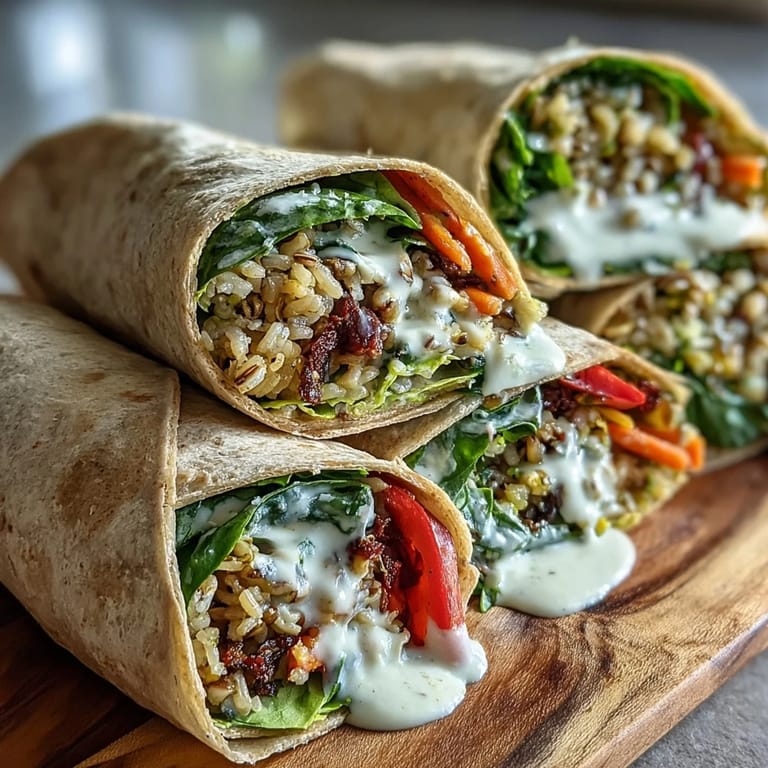
- If you're taking these somewhere, wrap them in foil to insulate them and keep them from drying out.
- Pack the tahini sauce in a small container to drizzle fresh if you're eating them later, or drizzle now and accept that they'll be slightly softer but no less delicious.
- Cut them in half before serving because somehow they look friendlier and people are more likely to actually eat them.
 Save
Save These wraps have become my answer to the question of what to make when you want something that feels both nourishing and genuinely delicious, without losing your mind in the kitchen. Make them once and you'll understand why.
Recipe Questions
- → Can I prepare the components ahead of time?
Absolutely. Cook the black-eyed peas and grains in advance, and store them in airtight containers for up to 3 days. The tahini sauce can also be whisked together and refrigerated for up to a week. Assemble the wraps just before serving for optimal texture.
- → What other grains work well in these wraps?
Brown rice and quinoa are excellent choices, but you can also use farro, barley, bulgur wheat, or even cooked millet. Each grain brings its own unique texture and nutritional profile to complement the black-eyed peas.
- → How can I add more protein?
Consider incorporating crumbled feta cheese, grilled chicken strips, or roasted chickpeas. Hemp seeds or chopped walnuts sprinkled inside also boost protein content while adding pleasant crunch and nutty flavor.
- → Are these suitable for meal prep?
Yes, but keep components separate until ready to eat. Store the filling mixture and sauce in separate containers. Warm the tortillas before rolling to prevent cracking. Wrapped tightly in foil, they'll stay fresh for 24 hours.
- → Can I make these without tahini?
You can substitute tahini with Greek yogurt for a tangier sauce, or use avocado blended with lemon and olive oil for creaminess without sesame. Cashew butter also works as a nutty alternative.