 Save
Save The first time I attempted étouffée, I nearly burned my roux three times and had to start over. I was cooking for a friend who had just returned from New Orleans, and the pressure was real. That dark chocolate colored roux is everything, and getting it right feels like earning a culinary badge of honor. Now I can tell exactly when that nutty fragrance hits the air, signaling its ready.
My uncle used to make étouffée whenever he visited, and the smell would fill the entire house for hours. Hed stand over that pot, stirring and telling stories about his time in Louisiana, completely losing track of time. The best part was watching everyone crowd around the stove, waiting for that first taste. Those memories taught me that good food is never rushed.
Ingredients
- Vegetable oil: The foundation of your roux, dont be tempted to use olive oil here
- All purpose flour: Creates that signature thickener that gives étouffée its velvety texture
- Medium onion: Part of the holy trinity that builds the flavor base
- Green bell pepper: Adds sweetness and that classic Cajun aroma
- Celery stalks: The third essential component of the holy trinity
- Garlic cloves: Minced fresh brings more punch than garlic powder ever could
- Shrimp or crawfish: The star protein, peeled and deveined saves time later
- Seafood stock: Homemade makes a difference but store bought works perfectly fine
- Worcestershire sauce: Deepens the umami notes and adds complexity
- Cajun seasoning: Adjust to your heat preference and taste as you go
- Cayenne pepper: Brings the heat that makes this dish sing
- Bay leaf: Aromatic backbone that infuses subtle herbal notes
- Salt and black pepper: Essential for bringing all flavors together
- White rice: The perfect canvas to soak up all that rich sauce
- Green onions: Fresh brightness to finish the dish
- Fresh parsley: Adds color and a pop of herbal freshness
Tired of Takeout? 🥡
Get 10 meals you can make faster than delivery arrives. Seriously.
One email. No spam. Unsubscribe anytime.
Instructions
- Making the roux foundation:
- Heat vegetable oil in your heavy pot over medium heat, then gradually whisk in flour until smooth. Stir constantly for 15 to 20 minutes until it reaches a deep chocolate color, being patient and careful not to burn it.
- Building the holy trinity:
- Add your diced onion, bell pepper, and celery directly into the roux. Cook for 5 to 7 minutes, stirring frequently, until vegetables soften and begin to release their fragrant aroma.
- Adding aromatic depth:
- Stir in minced garlic and let it cook for just 1 minute until fragrant, being careful not to let it brown or bitter.
- Creating the sauce base:
- Pour in seafood stock gradually, whisking constantly to prevent lumps. Let the mixture come together, thickening beautifully as the roux and stock meld.
- Infusing Cajun flavors:
- Add shrimp, Worcestershire sauce, Cajun seasoning, cayenne pepper, and bay leaf. Season with salt and pepper, stirring well to distribute all those spices evenly throughout.
- Simmering to perfection:
- Bring everything to a gentle simmer, then reduce heat to low. Let it cook uncovered for 20 to 30 minutes, stirring occasionally until sauce thickens and shrimp turn pink.
- Final seasoning:
- Taste your creation and adjust salt, pepper, or heat as needed. Fish out and discard the bay leaf before serving.
- Plating your masterpiece:
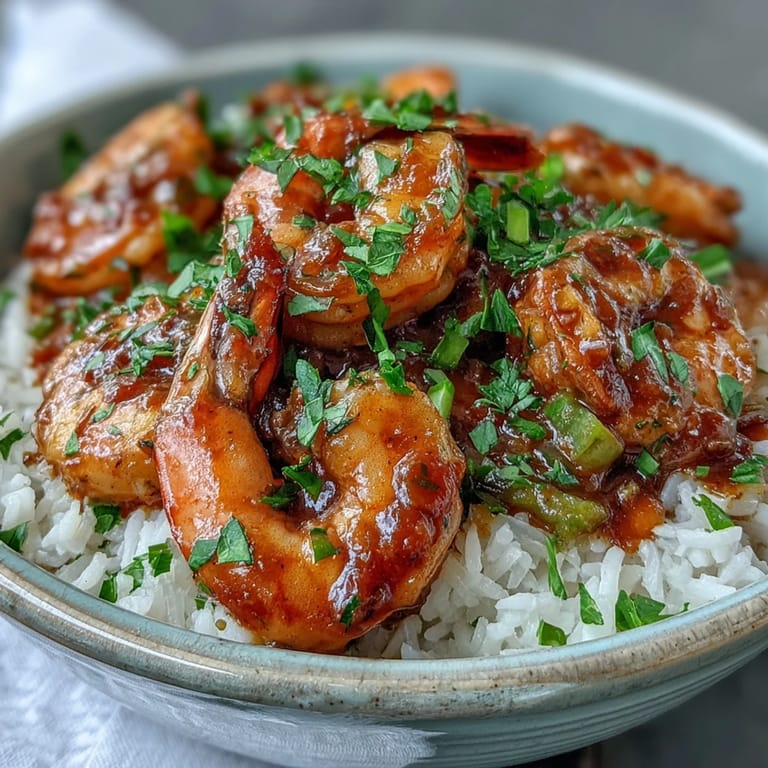
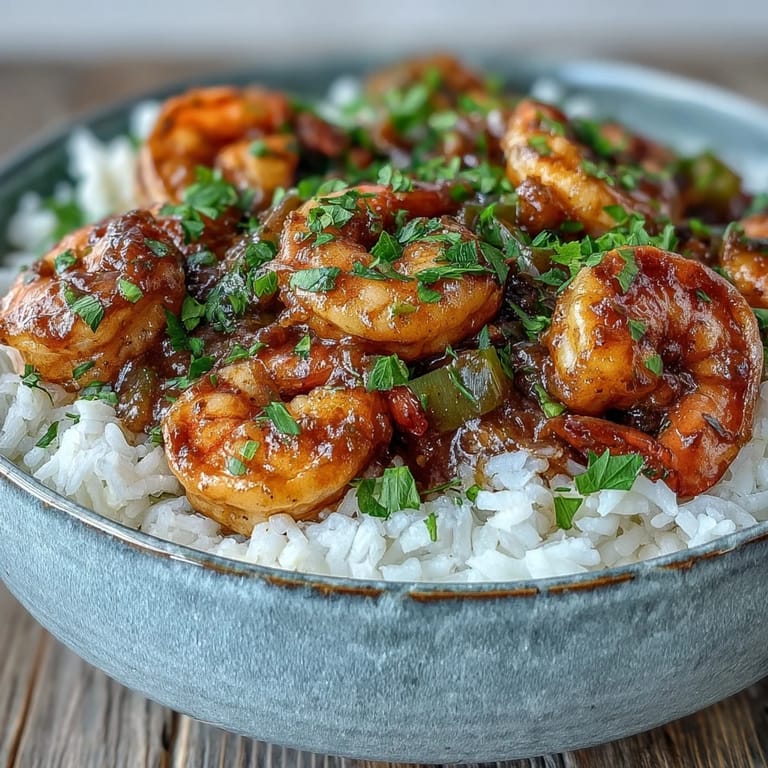
- Ladle generous portions over hot white rice. Scatter chopped green onions and fresh parsley on top for that restaurant quality finish.
 Save
Save After I finally nailed making a proper roux, I invited my skeptical neighbor over for dinner. She took one bite and actually put her fork down to tell me this was better than anything she had in New Orleans. Moments like that remind me why I keep cooking.
The Art of Roux Making
Learning to make a proper roux changed my entire approach to Cajun cooking. That patience, standing at the stove and stirring constantly, taught me that some things just cant be rushed. The color progression from white to peanut butter to chocolate is like watching a flavor transformation happen in real time.
Protein Variations That Work
While shrimp is traditional, Ive found that crawfish brings an even sweeter, more delicate flavor. Chicken thigh pieces work beautifully for a heartier version. During Lent, Ive even made a vegetarian version with mushrooms that satisfied everyone at the table.
Make Ahead Magic
The absolute best thing about étouffée is how it transforms overnight. Make it in the afternoon, let it cool, and reheat gently for dinner. Something magical happens when all those spices and flavors have time to really get to know each other.
- Cook the rice fresh right before serving for the best texture
- Leftovers keep beautifully in the fridge for up to 3 days
- The sauce freezes well if you want to portion it for future meals
 Save
Save There is something incredibly satisfying about serving this dish to people who have never had étouffée before. Watching their eyes light up after that first bite is why this recipe will always have a special place in my kitchen.
Recipe Questions
- → What is a roux and why is it important for this dish?
A roux is a mixture of cooked fat (like vegetable oil) and flour. For an Étouffée, it's cooked until it reaches a deep golden brown, providing a rich, nutty flavor and acting as the primary thickener for the sauce, giving it its characteristic body and color.
- → Can I use something other than shrimp in this Étouffée?
Absolutely! While traditional, shrimp can be substituted with crawfish for an authentic touch. For other variations, chicken, sausage, or even mushrooms can be used, adapting the cooking time as necessary for each protein.
- → How can I adjust the spice level?
The spice level is primarily controlled by the amount of Cajun seasoning and cayenne pepper. For a milder flavor, reduce or omit the cayenne. If you prefer more heat, feel free to increase these spices to your taste.
- → What's the best way to serve Étouffée?
Étouffée is traditionally served hot over fluffy white rice. Garnish with fresh chopped green onions and parsley for added freshness and color. A side of crusty French bread is also a fantastic addition for soaking up the rich sauce.
- → Can I prepare Étouffée in advance?
Yes, Étouffée is known to taste even better the day after it's made, as the flavors have more time to meld and deepen. Store it in an airtight container in the refrigerator and gently reheat on the stovetop or in the microwave.
- → How can I make this dish gluten-free?
To make a gluten-free version, substitute the all-purpose flour in the roux with a certified gluten-free flour blend. Also, ensure that any seafood or chicken stock used is verified as gluten-free.