 Save
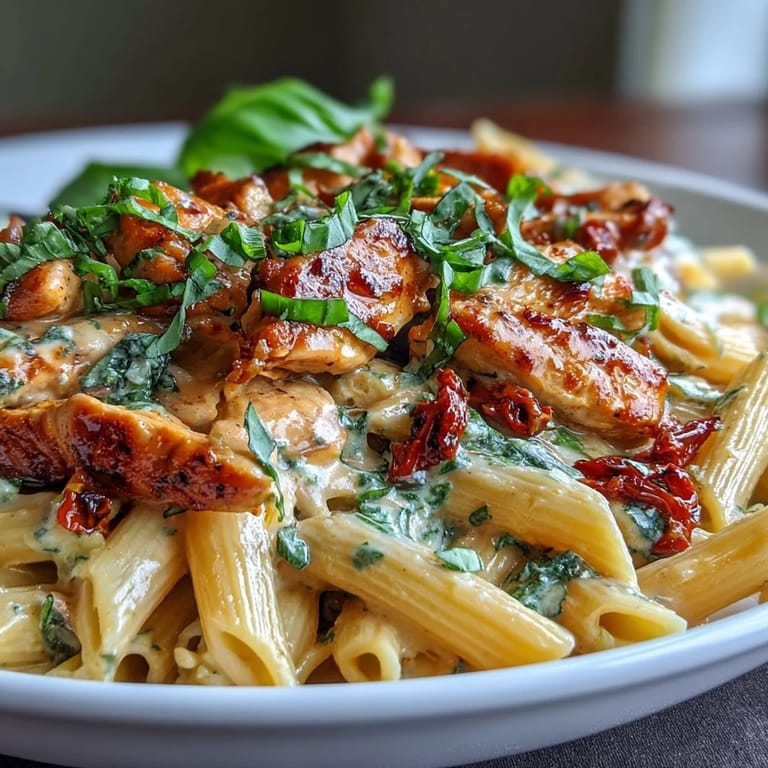
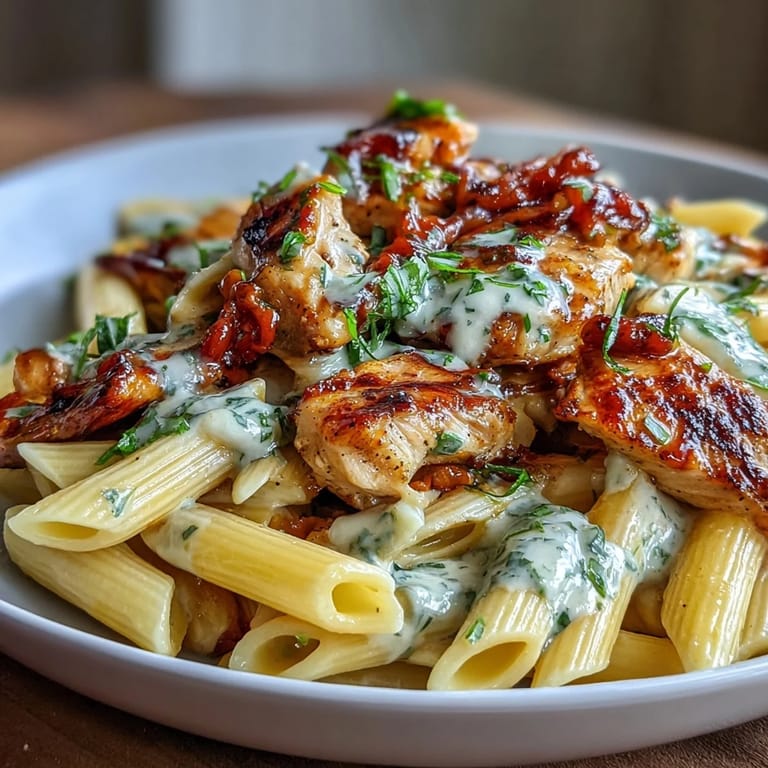
Save The sizzle of garlic and butter mingling in my skillet always transports me to the bustling heart of my kitchen, where chaos and comfort dance together. Not every weeknight needs to feel rushed—sometimes, a handful of fresh basil and a swirl of cream are all it takes to turn the ordinary into something unforgettable. One rainy Thursday, craving warmth and unapologetic flavor, I stumbled upon the idea for this Creamy Tomato Basil Chicken Pasta. As the sauce thickened and the aroma filled the room, even the neighbors mentioned they could smell dinner down the hall. Some recipes just invite you to linger at the table a little longer, and this one does exactly that.
I still remember cooking this for my cousin after she’d had a long, exhausting week; she kept sneaking tastes of the sauce and declared the kitchen ‘smelled like vacation’. Watching her go back for seconds, I realized how even simple ingredients can feel luxuriously nourishing when shared at the right moment.
Ingredients
- Pasta (penne or fettuccine): Choosing a sturdy shape like penne means every bite hugs the sauce, and salting your boiling water like the sea makes a noticeable difference.
- Boneless, skinless chicken breasts: Slicing them thinly after resting keeps them juicy, and a generous seasoning is key to flavor through every bite.
- Olive oil: It gives the chicken a lovely golden sear, so don’t be shy about getting your pan properly hot.
- Unsalted butter: Adds a velvety finish to the sauce—if you only have salted, just skip extra salt later.
- Garlic (minced): Fresh garlic brings a sweet, pungent kick that pre-chopped just can’t match.
- Crushed tomatoes: The backbone of the sauce; opt for a quality brand with bright, robust flavor.
- Heavy cream: Just enough to smooth the acidity without making the sauce too rich.
- Chicken broth: A splash loosens the sauce and adds depth.
- Parmesan cheese (grated): Melts into the sauce, thickening and seasoning at once.
- Fresh basil leaves (chopped): Last-minute addition keeps them vibrant—stack and slice for best results.
- Italian seasoning, salt, black pepper: Layered seasoning on the chicken ensures every plate tastes as good as the last.
- Sugar (optional): A pinch balances tart tomatoes if needed, but taste as you go.
Tired of Takeout? 🥡
Get 10 meals you can make faster than delivery arrives. Seriously.
One email. No spam. Unsubscribe anytime.
Instructions
- Boil the pasta just right:
- Fill a large pot with salted water and let it reach a vigorous boil. Drop in your pasta and cook until al dente, stirring occasionally; before draining, scoop out about half a cup of the starchy water to save for later.
- Season and sear the chicken:
- Pat the chicken dry, then sprinkle with salt, pepper, and Italian herbs—don’t rush this. Heat oil in your skillet and listen for that sizzle as you lay the chicken down; let it cook undisturbed to form a golden crust before flipping, about 5–6 minutes per side.
- Rest and slice:
- Transfer the chicken to a plate, cover lightly, and give it at least five minutes to lock in the juices before slicing into thin strips.
- Build the sauce base:
- In the still-hot skillet, melt butter and sauté the garlic until fragrant—you’ll know it’s ready when your kitchen suddenly smells irresistible. Pour in crushed tomatoes and chicken broth, scraping up any toasty bits left from the chicken; simmer until slightly thickened.
- Cream, cheese, and basil finish:
- Stir in the cream and Parmesan, letting them melt and blend smoothly as the sauce gently bubbles. Taste; if it’s too sharp, add a pinch of sugar, and finally, toss in the fresh basil and adjust seasoning.
- Bring together pasta and sauce:
- Add your cooked pasta right into the skillet, tossing to coat every piece—if it looks too thick, drizzle in reserved pasta water until it looks velvety. Stir through most of the chicken, saving a few slices for topping if you like.
- Serve up:
- Plate warm pasta, nestling extra chicken on top. Shower with more basil and Parmesan before serving, and dig in while it’s steaming and fragrant.
 Save
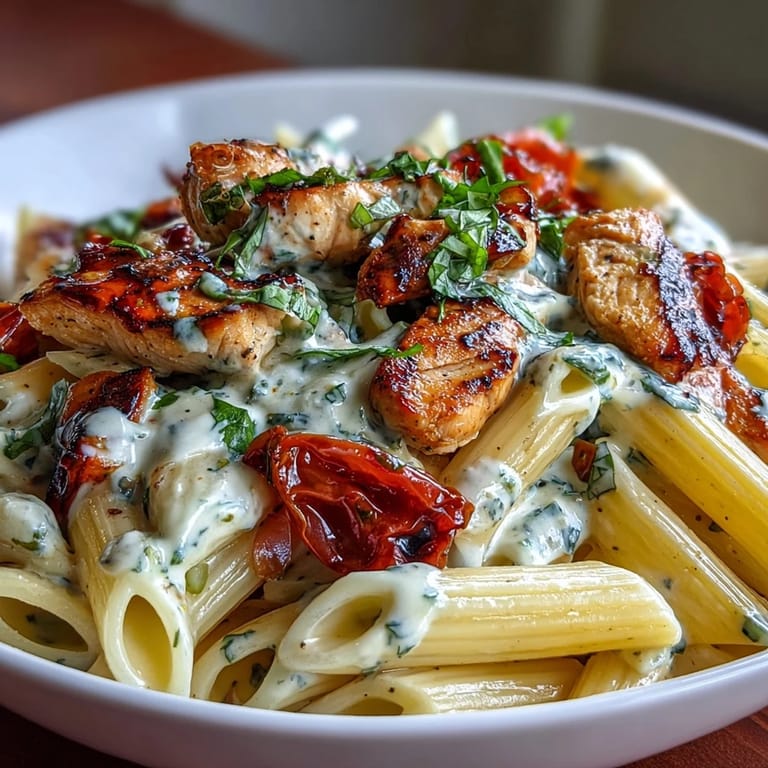
Save The first time this dish made everyone pause mid-bite was at a casual Sunday dinner, where laughter and stories mixed with the steam rising from the plates. Somehow even after everyone claimed to be full, nobody could resist reaching for just a forkful more.
How to Get the Creamiest Sauce
Stirring the cream and Parmesan in slowly, over gentle heat, keeps everything smooth (and avoids grainy surprises). Don’t crank the heat or leave it unsupervised—letting it bubble softly is the trick for luxurious texture without curdling.
Easy Ingredient Swaps
Once in a pinch, I swapped in spinach when basil was out, and it gave the dish a garden-fresh twist that everyone loved. You can also use rotisserie chicken in a rush, or even swap the cream for half-and-half if needed—just adjust the simmer time for thickness you want.
Making Dinner Feel Special (Even On a Wednesday)
Simply scattering extra basil or letting everyone grate their own cheese at the table turns an easy weeknight dinner into a meal that feels a little celebratory. Take those extra two minutes to set the table and light a candle—it’s totally worth it for the mood shift.
- If reheating leftovers, add a splash of milk or broth to revive the creamy sauce.
- Let the chicken cool fully before slicing for the cleanest cuts.
- Don’t forget to save a pinch of fresh basil for that bright, herbal finish!
 Save
Save This pasta delivers big, comforting flavor without any fuss, and it always draws people to the table. Here’s to cozy nights and little kitchen victories!
Recipe Questions
- → What type of pasta works best?
Penne and fettuccine are preferred for holding the creamy sauce, but other shapes like rigatoni or linguine also work well.
- → How do I know when the chicken is cooked?
Chicken is done when its juices run clear, it's golden outside, and an internal temperature of 165°F (74°C) is reached.
- → Can I substitute the cream?
Yes, half-and-half or whole milk may be used for a lighter sauce, though it may be slightly less rich.
- → How can I add extra flavor?
Try sautéing red pepper flakes with garlic or adding roasted vegetables for more flavor depth and heat.
- → What's the best way to store leftovers?
Cool completely, then store in an airtight container in the refrigerator for up to three days. Reheat gently before serving.
- → Is fresh basil necessary?
Fresh basil provides the brightest flavor, but dried basil can be substituted if needed. Use about 1-2 teaspoons.