 Save
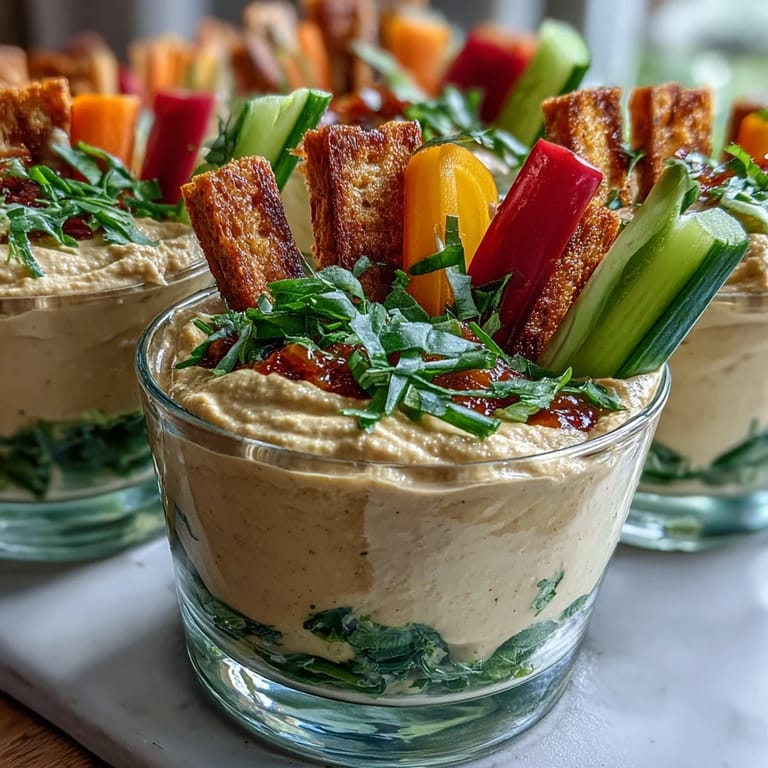
Save My kids came home from school one afternoon complaining about boring lunch boxes, so I started assembling these snack cups as an experiment. What began as a quick fix turned into their favorite thing to request, and honestly, watching them actually eat vegetables without complaint felt like a minor miracle. The beauty of these cups is that they're not just portable—they're fun, colorful, and feel a bit like a treasure hunt with every dip into the hummus.
I remember packing these for a road trip with my nephew, and he ate his in the car without complaining once, which for a seven-year-old felt like winning the lottery. The real magic happened when my friend Sarah saw them and asked if I could make some for her office—turns out grown-ups crave portable, colorful snacks just as much as kids do.
Ingredients
- Hummus: Use store-bought for convenience or make your own if you want to control the salt and spices—a good quality hummus with a smooth texture works best.
- Carrots: Buy ones that are firm and bright orange; they'll stay crisp longer and add a sweet crunch to balance the earthiness of the hummus.
- Cucumber: Pick ones that feel solid and aren't too watery—English cucumbers work wonderfully since they have fewer seeds.
- Red and Yellow Bell Peppers: Choose peppers with thick, glossy skin; they'll give you more substance and sweeter flavor than thinner varieties.
- Snap Peas: These stay wonderfully crisp and add a bit of natural sweetness that makes even reluctant veggie eaters happy.
- Cherry Tomatoes: They're small enough to pop whole into your mouth and their juiciness provides a nice contrast to the creaminess of hummus.
- Celery and Jicama: Optional additions that bring different textures—celery is classic, but jicama adds a surprising crunch that people always ask about.
Tired of Takeout? 🥡
Get 10 meals you can make faster than delivery arrives. Seriously.
One email. No spam. Unsubscribe anytime.
Instructions
- Wash and prep your vegetables:
- Rinse everything under cold water and pat dry—this keeps the veggies crisp and prevents them from getting soggy in the cups. Work through each vegetable deliberately, peeling the carrot, slicing the cucumber at an angle for longer sticks, and seeding the peppers.
- Cut with intention:
- Aim for sticks about the size of your pinky finger; they're comfortable to hold and easy to dip. Uneven cuts actually look more inviting, so don't stress about perfection.
- Divide the hummus:
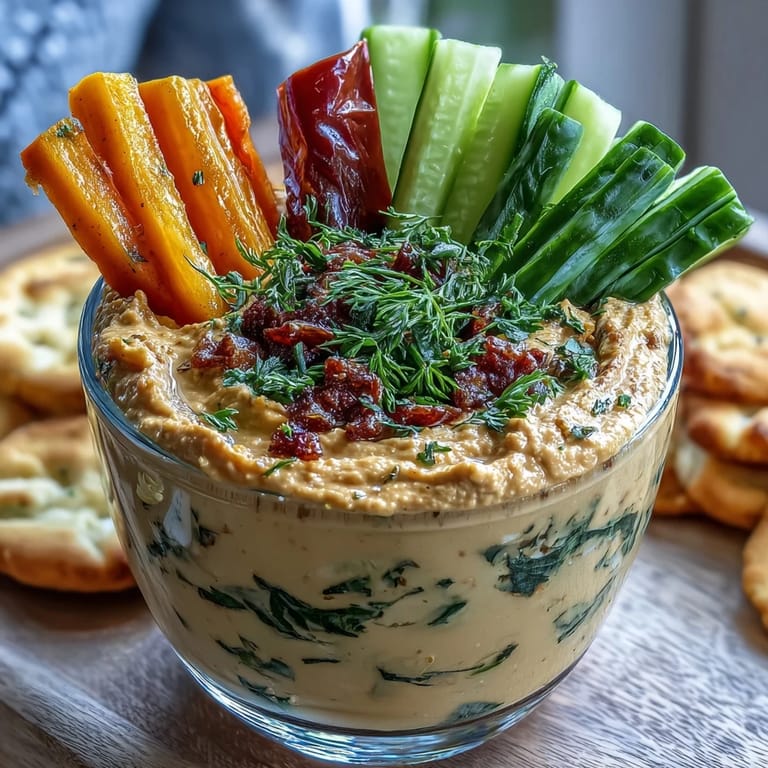
- Spoon about 1/4 cup of hummus into each of your six cups, creating a little well in the center if you like. This gives you room to stand the veggie sticks upright without them toppling over.
- Arrange your vegetables:
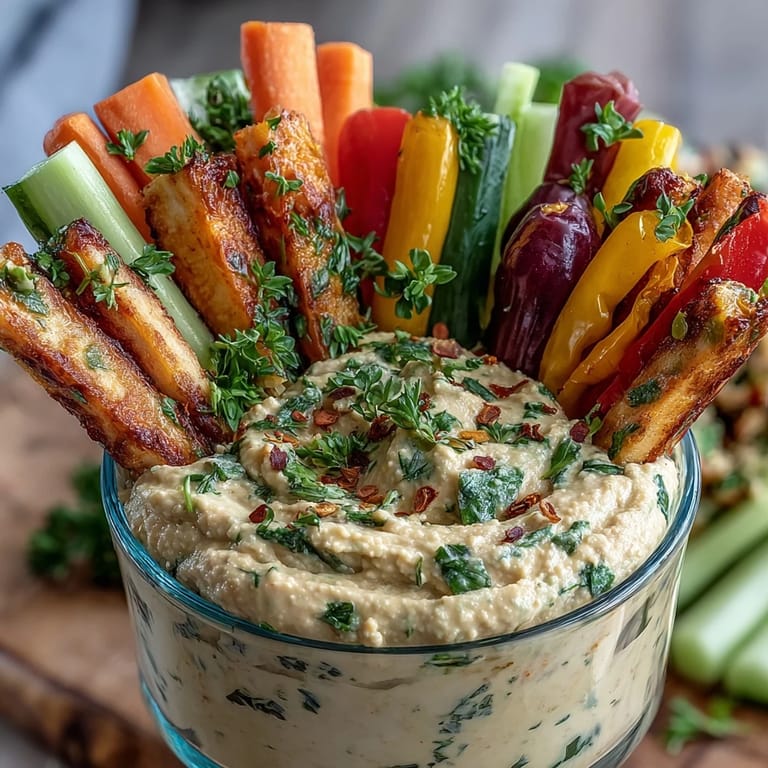
- Stand the sticks directly in the hummus like little trees in a forest—this way they stay fresh and people can grab one and dip as they go. Aim for a mix of colors in each cup to make them visually exciting.
- Chill and cover:
- Put the lids on and refrigerate until you're ready to go. They'll keep beautifully for two days, which is the sweet spot for crispness.
 Save
Save There's something special about handing someone a snack cup and watching their face light up at how thoughtful and Instagram-worthy it looks. These cups have become my secret weapon for turning picky eaters into vegetable enthusiasts, and that's worth every minute of prep time.
Flavor Upgrades Worth Trying
Once I started experimenting with the hummus itself, the snack cups became even more exciting. A sprinkle of paprika adds warmth, za'atar brings a tangy Middle Eastern flair, and a light drizzle of olive oil makes everything feel more sophisticated—honestly, that little drizzle is worth doing every time.
Seasonal Vegetable Swaps
Summer is the obvious season for these cups, but I've learned to embrace what each season offers. In spring, blanched asparagus spears and fresh radishes are stunning; summer brings all the peppers and tomatoes; fall gives you beautiful roasted beet sticks; and even winter works if you use cauliflower florets and blanched green beans.
Making These Your Own
The real joy of this recipe is how flexible it is—these cups are basically a blank canvas waiting for your preferences. Feel free to add cheese cubes, baked tofu, or whatever sounds good to you, and remember that presentation matters because we eat with our eyes first.
- Blanch firmer veggies like broccoli or green beans for 2-3 minutes if you want them a touch softer while keeping their color bright.
- Try mixing different hummus flavors in the same cup for variety, or stir a tiny bit of pesto or sriracha into plain hummus for kick.
- Make these the night before a trip and they'll be perfectly chilled and ready to grab on your way out the door.
 Save
Save These snack cups prove that simple food doesn't have to be boring—sometimes the best meals are the ones that slip easily into your day and make you smile. Pack them with confidence knowing you're giving yourself or the people you love something wholesome that actually tastes good.
Recipe Questions
- → What vegetables work best in these snack cups?
Crunchy vegetables like carrots, cucumbers, bell peppers, snap peas, and cherry tomatoes provide great texture and flavor.
- → Can I prepare these snack cups ahead of time?
Yes, prepare and assemble the cups in advance, then refrigerate. Consume within 2 days for best freshness.
- → How should I store the snack cups?
Cover the cups with lids or plastic wrap and keep them refrigerated until ready to eat.
- → Are these snack cups suitable for dietary restrictions?
They are vegetarian, gluten-free, and dairy-free, though check hummus ingredients for potential allergens like sesame or soy.
- → Can I add other toppings to the hummus?
Absolutely! Try sprinkling paprika, zaatar, or a drizzle of olive oil for enhanced flavor before adding veggies.