 Save
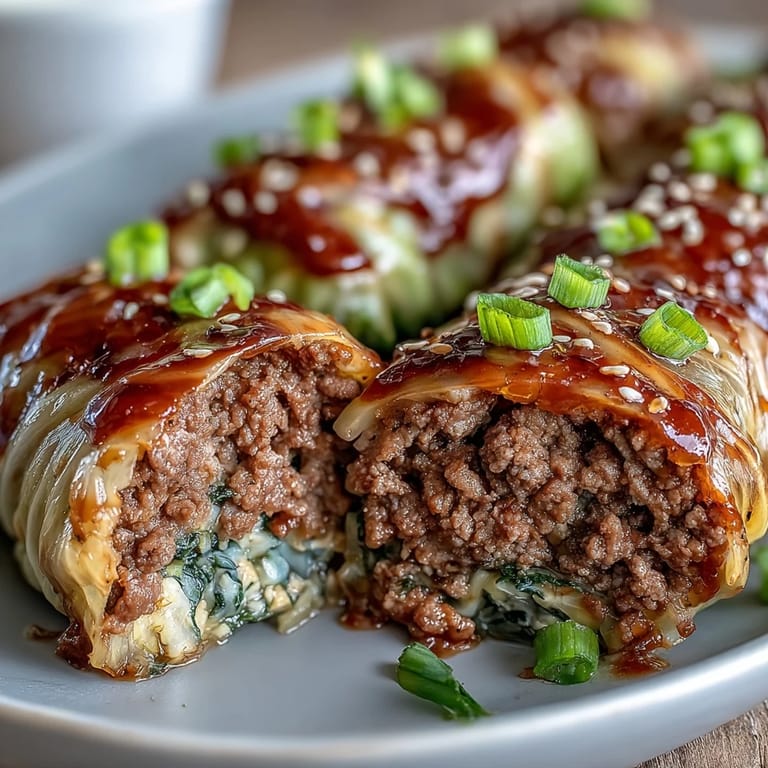
Save The scent of sesame oil sizzling in a pan always reminds me of late evenings experimenting with leftovers after work. One time, flipping through a half-empty fridge, I landed on the idea that cabbage leaves could be more than just a bed for stir fry—they could be delicious wrappers for something with a bit of fire and a lot of comfort. Korean flavors have always beckoned when I crave warmth, so these cabbage rolls became an instant way to combine both my stubborn curiosity and craving for bold tastes. I never set out to make this a tradition, but that's precisely how it began. Sometimes all it takes is a head of cabbage and an urge to try something new.
There was one winter night when I doubled the recipe, armed with a steamer that barely fit the cabbage rolls, just because a close friend mentioned craving something 'different.' We laughed over who could make the tightest roll, and even the slightly lopsided ones were devoured quickly. That night, not a single roll survived past the first round. These cabbage rolls have, ever since, felt like a shareable victory over the cold outside. Every time, the spicy aroma fills the kitchen and gets people gathering.
Ingredients
- Napa cabbage: Its wide, tender leaves are perfect for rolling and become deliciously supple once steamed—snap off any extra thick stems for easier wrapping.
- Ground beef: I’ve found a slightly higher fat content keeps the filling moist and flavorful, but you can easily sub in pork, turkey, or anything you like.
- Green onions: Brings just the right amount of lift to the filling; slice them fine so nobody gets a huge chunk in one bite.
- Garlic: Always sauté the garlic last before mixing, so it doesn’t overpower—raw garlic can get a little sharp if you’re not careful.
- Carrot: The grated carrot not only adds color but sneaks in sweetness that balances the spice.
- Fresh ginger: Grate it finely (a microplane works wonders) and don’t skimp—it’s what makes the aroma pop.
- Gochujang: This chili paste is the heart and soul here; start with less if you’re heat-shy, but don’t skip it entirely.
- Soy sauce: Deepens the umami—if you use a low-sodium version, taste the mix before rolling just in case it needs a pinch more.
- Sesame oil: Adds toasted depth; drizzle extra on the finished rolls if you want an extra burst of aroma.
- Sugar: Just a touch to mellow out all those strong flavors—don’t overdo it, or you’ll lose the punch.
- Black pepper: Freshly ground is best; it adds warmth without overtaking the chili heat.
- Toasted sesame seeds: A sprinkle on top makes everything look polished and adds tiny bursts of crunch.
- Soy sauce (for dipping): The base of the sauce—choose one you like the taste of plain.
- Rice vinegar: The tang cuts through the richness and keeps the dipping sauce bright.
- Gochugaru: Korean chili flakes are optional for the sensitive, but their smokiness is worth the inclusion.
- Sesame oil (for dipping): Use a light hand—it’s strong and goes a long way.
- Honey: It only takes a small spoonful to bring everything together; maple syrup works in a pinch.
- Garlic (for dipping): Really mince it so you don’t get a huge bite in your sauce.
- Toasted sesame seeds (for dipping): The finish that makes the sauce feel complete.
Tired of Takeout? 🥡
Get 10 meals you can make faster than delivery arrives. Seriously.
One email. No spam. Unsubscribe anytime.
Instructions
- Prep the cabbage:
- Get a large pot of water boiling, then carefully slip the big cabbage leaves in just long enough for them to go soft—about one minute does the trick. Run them under cold water and spread them on a clean towel so they’re cool to the touch and easy to roll.
- Mix the filling:
- In a big bowl, combine the ground beef, green onion, garlic, carrot, and ginger, then spoon in the gochujang, soy sauce, sesame oil, sugar, black pepper, and sesame seeds. Dive in with your clean hands and mix until it’s all sticky and unified—no big lumps left.
- Form the rolls:
- Lay each cabbage leaf on your board, trim any tough stem if needed, then scoop a small heap of filling near the base. Fold in the sides and roll upwards snugly, like a little savory burrito—don’t overstuff or they’ll burst in the steamer.
- Steam to perfection:
- Arrange each roll seam-side down in your steamer basket so none are touching too tightly. Steam gently over simmering water for 15–20 minutes, listening for the faint sizzle that means the filling is done.
- Mix the dipping sauce:
- While rolls steam, whisk together soy sauce, rice vinegar, gochugaru, sesame oil, honey, minced garlic, and sesame seeds in a small bowl. Taste and adjust for salt or spice—it should be a little sharp and a little sweet.
- Serve and enjoy:
- Once the rolls are hot and cooked through, pull them out with tongs and serve immediately with dipping sauce on the side. They’ll disappear fast, so have your second batch ready if you’re feeding a crowd.
 Save
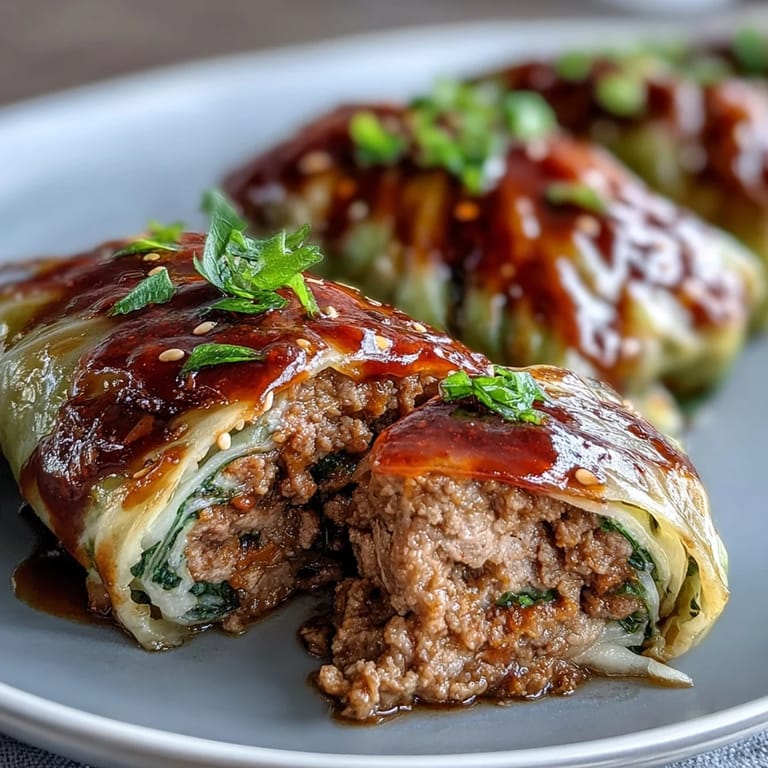
Save One particularly memorable night, my kitchen ended up filled with laughter, and fingers sticky with gochujang as everyone argued about whose roll looked most appetizing. We ended up naming our favorite ones before devouring them in seconds. Since that evening, making these cabbage rolls has always felt a little like hosting a friendly competition—fun, noisy, and deeply satisfying.
How to Get Super Tender Rolls Every Time
The magic is in blanching the cabbage just enough—too long and the leaves get mushy, not long enough and they break when rolling. It’s a quick dance, and once you nail it, your rolls will always be silky but strong. Testing one leaf before blanching the rest is a handy trick to avoid the heartbreak of torn wrappers. If you’ve got extra leaves, double-wrap a few rolls for extra cushion and drama—nobody complains about more cabbage.
Customizing the Filling to Your Taste
I love swapping in ground turkey or pork when the mood strikes, and have even slipped in cooked rice or mushrooms to bulk things up for a bigger crowd. Don’t be shy with the aromatics—more ginger or a dash more soy sauce will barely tip the balance but might become your signature touch. The key is to taste as you go, especially if you change the protein. A tiny test patty cooked in a skillet lets you adjust seasoning before you commit to rolling up the whole batch.
Serving Suggestions and Make-Ahead Magic
These rolls are best hot out of the steamer but can be kept warm on a low oven if you’re waiting for late arrivals. The dipping sauce keeps well in the fridge, so double the batch and use it later on grilled chicken or tofu. Leftover rolls reheat beautifully and are an excellent lunchbox surprise.
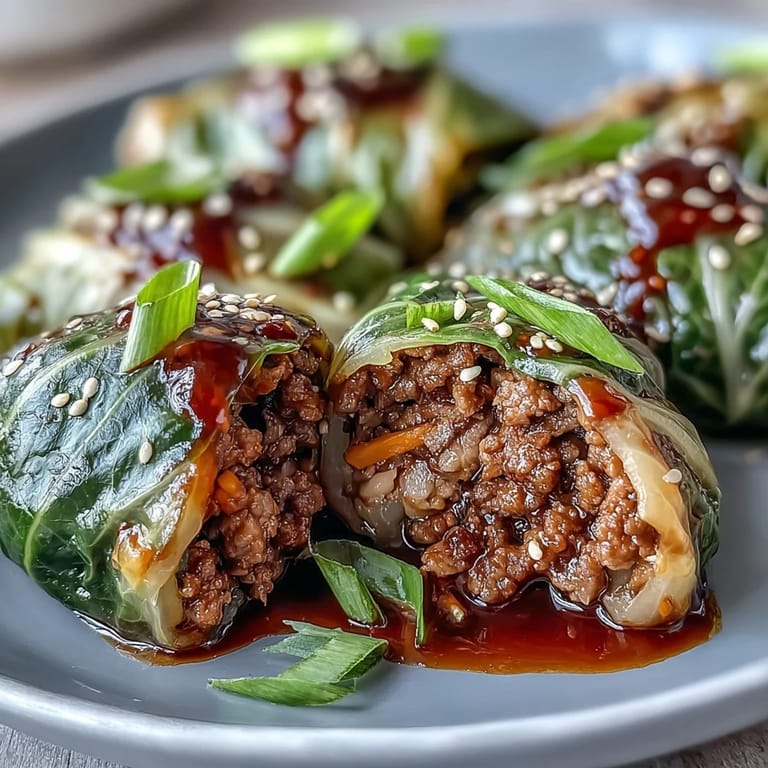
- Add a sprinkle of fresh green onions right before serving for fresh zing.
- If you have leftover filling, shape it into little patties and steam them alongside.
- Don’t forget to save a couple of the smallest cabbage leaves—they’re perfect for scooping up extra sauce at the end.
 Save
Save Whether you’re introducing friends to Korean flavors or finding comfort on a quiet night, these cabbage rolls never fail to bring warmth. Enjoy the fun of rolling, steaming, and savoring every bite as you make them your own.
Recipe Questions
- → How long should I blanch the cabbage leaves?
Blanch whole leaves 1–2 minutes in boiling water until pliable, then plunge into cold water to stop cooking and pat dry to prevent soggy rolls.
- → Can I swap ground beef for another protein?
Yes. Ground pork or turkey work well; adjust seasoning and cooking time slightly. Pork adds richness, turkey keeps it leaner.
- → How do I reduce the heat level?
Cut back on gochujang and gochugaru, or replace some gochujang with mild chili paste or extra soy sauce. Balance with a touch more honey if needed.
- → What is the best steaming time to ensure the filling is cooked?
Arrange rolls seam-side down and steam over simmering water for 15–20 minutes; check one in the center to confirm the meat is cooked through.
- → How should leftover rolls be stored and reheated?
Cool completely, store in an airtight container in the fridge up to 3 days. Reheat gently in a steamer or microwave with a damp paper towel to retain moisture.
- → Any tips for rolling so they don’t fall apart?
Use leaves that are pliable and not torn, place a modest amount of filling (2–3 tbsp), tuck sides in before rolling, and place seam-side down in the steamer.