 Save
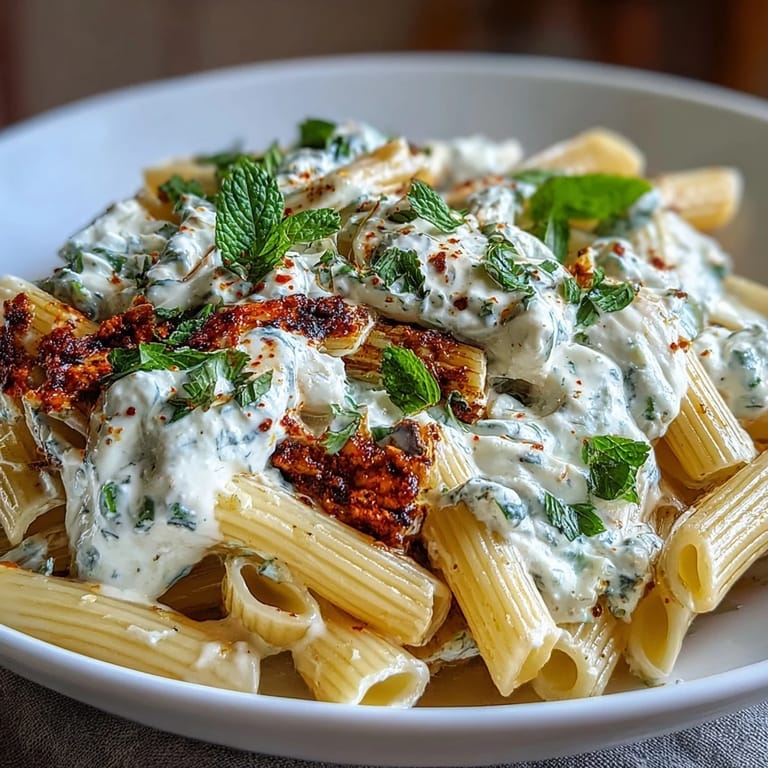
Save There's a moment in late spring when the farmers market suddenly overflows with bright green peas, and you realize you've been eating winter food for too long. I grabbed a bunch one afternoon, and by evening, I'd thrown together this pasta without much planning—just ricotta, mint from the garden, and whatever pasta I had on hand. What surprised me was how the simple ingredients created something unexpectedly elegant, the kind of dish that feels both casual and special at the same time.
I made this for my sister last June when she was going through a phase of eating only light foods, and she had seconds before I'd even finished plating. That's when I knew this wasn't just a quick weeknight dinner—it was something genuinely worth returning to, a dish that could sit on any table and hold its own.
Ingredients
- Short pasta (350 g): Penne, fusilli, or orecchiette all work beautifully because their shapes catch the creamy ricotta sauce and hold onto the peas.
- Fresh or frozen peas (250 g): Fresh peas in season are a revelation, but frozen ones are honestly just as good and require zero shelling, which is a gift when you're in a hurry.
- Garlic (2 cloves, finely chopped): The oil-toasted garlic becomes sweet and mellow, providing a subtle backbone without overpowering the delicate flavors.
- Lemon zest (1 unwaxed lemon): This is what makes the whole dish sing—the citrus brightness cuts through the richness and wakes everything up.
- Ricotta cheese (250 g): Use the freshest ricotta you can find because it's the star here, creamy and mild enough to let the other flavors shine.
- Grated Parmesan (50 g, plus extra): The nutty umami deepens the sauce and adds a salty note that balances the sweetness of the peas.
- Fresh mint (about 15 g): Chop it just before you use it so it stays vibrant and fragrant, and divide it so half goes into the sauce and half gets scattered on top for that fresh herb punch.
- Extra-virgin olive oil (2 tbsp): Quality matters here because it's one of the few things you taste directly, so choose something you actually enjoy.
- Salt and black pepper: Season generously at the end—the pasta water helps, but you'll want to taste and adjust.
Tired of Takeout? 🥡
Get 10 meals you can make faster than delivery arrives. Seriously.
One email. No spam. Unsubscribe anytime.
Instructions
- Boil the pasta:
- Bring a large pot of salted water to a rolling boil and add your pasta, stirring it so nothing sticks. Cook according to package instructions until al dente—you want it tender but with just a slight firmness when you bite it. Before draining, scoop out about a cup of the starchy cooking water and set it aside, then drain the rest.
- Toast the garlic:
- Pour the olive oil into a large pan over medium heat and let it warm for a moment. Add the chopped garlic and let it cook for about a minute until it becomes fragrant and turns a light golden color—this is the sweet spot where it loses its sharp edge.
- Cook the peas:
- Add your peas to the garlicky oil and cook for 2 to 3 minutes if they're fresh, or a bit longer if frozen, until they're bright green and just tender. You'll notice them soften slightly and release their natural sweetness into the pan.
- Combine pasta and peas:
- Add the drained pasta to the pan and toss everything together, making sure the peas and garlic are distributed throughout. This is when the kitchen smells absolutely wonderful, and you know you're almost there.
- Create the creamy sauce:
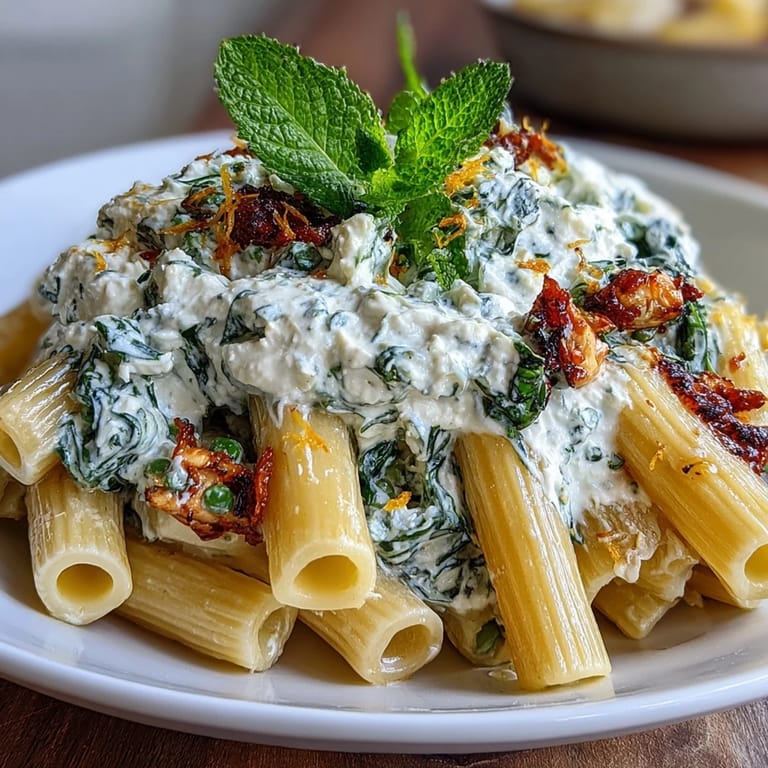
- Remove the pan from heat, then stir in the ricotta, lemon zest, Parmesan, and half of your chopped mint. Add the reserved pasta water a splash at a time, stirring gently until you have a sauce that's creamy and coats each piece of pasta without being heavy or soupy.
- Season and serve:
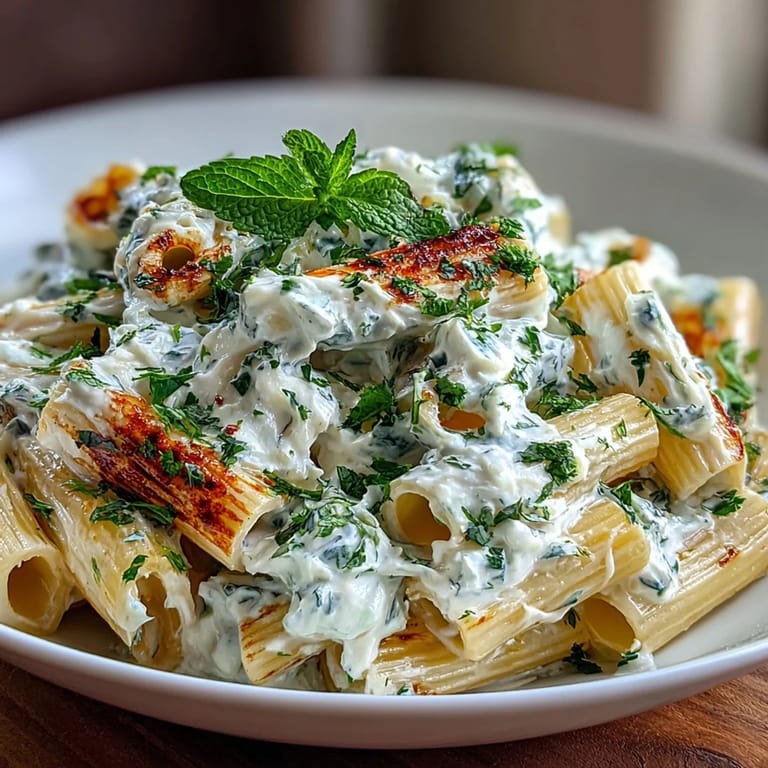
- Taste the pasta and season with salt and plenty of black pepper, remembering that the Parmesan already brings saltiness. Divide among plates, sprinkle with the remaining fresh mint and extra Parmesan, and serve immediately while everything is still warm.
 Save
Save There was an afternoon when my neighbor stopped by just as I was about to eat, and I quickly made an extra portion. She tasted it and got quiet for a moment, which is what happens when simple food done right hits differently. That's when I realized this dish has that rare quality of being uncomplicated but thoughtful, the kind of thing you remember people for serving.
The Magic of Mint in Pasta
Mint is underrated in savory cooking, often relegated to desserts or mojitos, but it's genuinely transformative here. The herb brings a cooling brightness that plays beautifully against the richness of ricotta, and when paired with lemon, it creates a flavor combination that feels both Mediterranean and somehow entirely fresh. I've learned that mint is best added in two stages—half stirred in when you need the flavor to marry with the sauce, and the other half scattered on top just before eating so you get that aromatic, almost peppery bite.
Timing and Temperature Matter
I used to overthink this dish until I realized that most of the magic happens in the final moments when everything comes together off the heat. The residual warmth of the pasta and pan is enough to warm the ricotta and create a silky sauce without the risk of breaking the cheese. This is a dish that rewards you for not fussing with it, for understanding that sometimes less intervention creates something better.
Making It Your Own
The foundation here is solid, but this dish welcomes improvisation in a way that most recipes don't. I've added crispy pancetta for a friend who wanted something richer, tucked in baby spinach for extra vegetables, and even scattered toasted pine nuts for a moment of textural contrast. The base is forgiving enough that your additions will complement rather than compete, as long as you respect the balance of fresh and creamy that makes the dish work.
- Stir in a handful of baby spinach or arugula with the peas if you want to add another vegetable without changing the character of the dish.
- Toast some pine nuts in a dry pan until fragrant and golden, then scatter them over the top for a delightful crunch that contrasts with the creaminess.
- A splash of crisp white wine with the garlic adds subtle depth, though it's entirely optional and the dish is perfect without it.
 Save
Save This is the kind of pasta I'll make again next spring without thinking twice, the one that reminds you that cooking doesn't have to be complicated to be delicious. It's a small dish that somehow feels like a celebration.
Recipe Questions
- → Can frozen peas be used instead of fresh?
Yes, frozen peas work perfectly and just need slightly longer cooking to become tender.
- → What type of pasta works best with this dish?
Short pasta shapes like penne, fusilli, or orecchiette hold the sauce and ingredients well.
- → How can the sauce be made creamier?
Adding reserved pasta cooking water helps create a silky sauce that evenly coats the pasta.
- → Can this dish be made vegan?
Yes, by substituting ricotta and Parmesan with plant-based alternatives, the dish remains flavorful.
- → What herbs complement the flavors here?
Fresh mint provides a fragrant note, perfectly balancing the richness of ricotta and brightness of lemon zest.