 Save
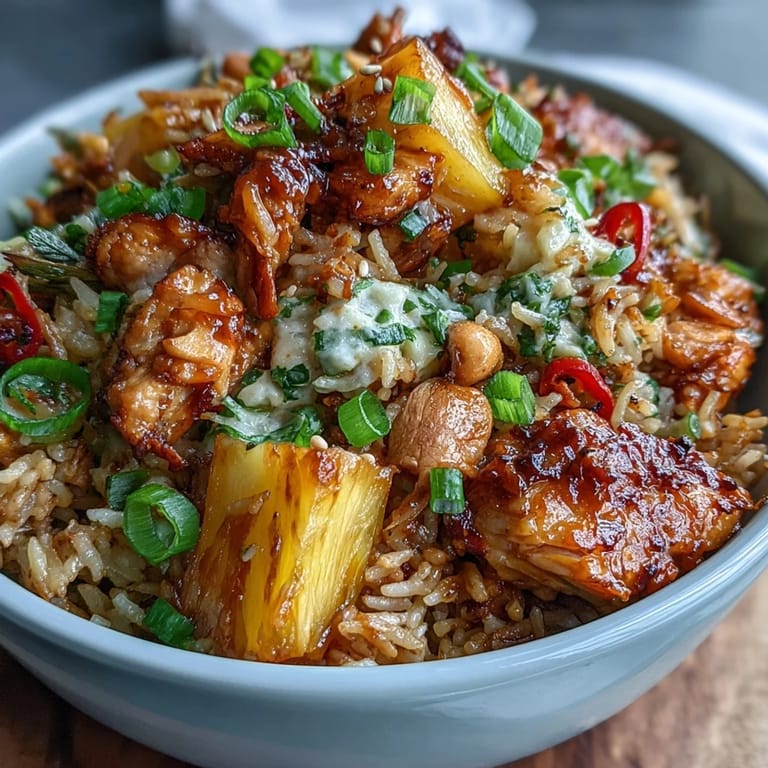
Save One sweltering afternoon, my neighbor handed me a container of fresh pineapple from her garden, challenging me to do something unexpected with chicken and rice. I'd been making fried rice the same cautious way for years—safe, predictable, forgettable. That day, I threw caution aside and tossed those golden chunks into the wok, and the kitchen filled with this impossible aroma that made my daughter actually pause her phone to ask what smelled so good. That's when I knew this wasn't just dinner; it was the kind of dish that changes the conversation at the table.
I made this for my partner's team on a Tuesday night when everyone was burnt out and ordering takeout felt like surrender. Watching their faces light up when they bit into it—that mix of confusion and delight when sweet pineapple met the umami of the soy sauce—reminded me why cooking for people matters. It became the dish they asked for by name, and honestly, that's worth more than any restaurant reservation.
Ingredients
- Boneless, skinless chicken breasts (2 breasts, about 350 g), diced: Chicken breast keeps things lean and cooks quickly in a hot wok; I cut mine into roughly half-inch pieces so they stay tender and absorb the sauce.
- Large eggs (2), lightly beaten: Optional, but they add richness and those silky scrambled bits that make the dish feel more intentional—just don't overcook them or they'll turn rubbery.
- Cooked jasmine rice (4 cups), preferably day-old: Day-old rice is non-negotiable here; fresh rice will steam and clump, and you'll spend more time breaking it apart than actually cooking.
- Fresh pineapple (1 cup), diced: Fresh pineapple has a brightness that canned versions can't quite match, but in a pinch, drained canned pineapple works—just don't use the syrup or it'll throw off the balance.
- Red bell pepper (1), diced: The red adds visual pop and a subtle sweetness that echoes the pineapple without repeating it.
- Small carrot (1), peeled and diced: I cut these smaller than the bell pepper so they cook at the same pace and don't end up either crunchy or mushy.
- Green onions (3), sliced: Split these in half—some go into the pan for flavor, and the rest stays raw on top for freshness and that little pop of crunch.
- Garlic (2 cloves), minced: Never skip mincing fresh garlic for this; it's the foundation of the flavor, and bottled garlic won't wake up your wok the same way.
- Frozen peas (½ cup), thawed: Thaw them beforehand so they don't cool down the whole dish and get mushy from the heat.
- Roasted unsalted cashews (½ cup): Buy them already roasted so you're not adding another cooking step, and unsalted means you control the salt entirely through the sauces.
- Soy sauce (3 tbsp): Use tamari if you need gluten-free; regular soy sauce is less assertive and plays better with the sweetness of the pineapple.
- Oyster sauce (1 tbsp, optional): This adds a savory depth that soy sauce alone can't quite reach, but it's truly optional if you're avoiding it for dietary reasons.
- Fish sauce (1 tsp, optional): A teaspoon is all you need; it's an invisible flavor that makes everything taste more like itself, not fishy at all if used this sparingly.
- Ground white or black pepper (½ tsp): White pepper is more delicate and traditional for Asian cooking, but black works fine if that's what you have.
- Vegetable oil or neutral oil (1½ tbsp): Divided between cooking the chicken and vegetables, this keeps the wok hot enough to actually sear things rather than steam them.
- Sesame oil (1 tsp): Added at the very end so the heat doesn't cook away its nutty aroma; this is where the sophisticated finish comes from.
Tired of Takeout? 🥡
Get 10 meals you can make faster than delivery arrives. Seriously.
One email. No spam. Unsubscribe anytime.
Instructions
- Mise en Place—Your Secret Weapon:
- Chop everything and arrange it near your stove before the heat goes on. This isn't fancy restaurant talk; it's the difference between a calm cooking experience and frantically dicing garlic while something burns. I learned this the hard way when I turned my back for thirty seconds and my rice went from golden to charred.
- Break Up That Rice:
- If your day-old rice has clumps, run your fingers through it or use a fork to separate the grains. This takes two minutes and saves you from fifteen minutes of stirring and smashing.
- Get the Wok Hot—Really Hot:
- Heat 1 tbsp vegetable oil over medium-high heat until it shimmers and just barely starts to smoke. Add your diced chicken in a single layer if you can, letting it sit undisturbed for a minute so it actually browns instead of steaming.
- Cook the Chicken Through:
- Stir it around after that first minute and cook for another 3–4 minutes until the pieces are golden on the outside and cooked through inside. You'll know it's done when there's no pink and the pieces feel firm.
- Scramble the Eggs (If You're Using Them):
- Push the chicken to the side, add a splash more oil if the wok looks dry, pour in your beaten eggs, and let them set for just a few seconds before stirring gently. They should look soft and custard-like, not firm and overcooked; they'll keep cooking a bit even after you remove them.
- Build Flavor with the Aromatics:
- Add the remaining oil and immediately throw in your minced garlic, diced carrot, and red bell pepper. Stir constantly for 2–3 minutes—you want the edges to soften and the garlic to become fragrant and slightly golden, not burnt or bitter.
- Introduce the Rice:
- Add all your rice to the wok and break up any remaining clumps with your spatula, stirring constantly for 2–3 minutes. The rice should start to look slightly translucent at the edges and feel heated through, and your whole kitchen will start smelling incredible.
- Bring Everything Back Together:
- Return your cooked chicken and scrambled eggs to the wok, add the pineapple, peas, and most of your sliced green onions (save a small handful for garnish). Stir everything gently to combine without mashing the pineapple.
- Season and Marry the Flavors:
- Drizzle in the soy sauce, oyster sauce, and fish sauce if you're using it, then add the ground pepper. Stir-fry for another 2–3 minutes, tasting as you go; you can always add more soy sauce, but you can't take it out.
- The Finishing Touch:
- Pour in the sesame oil and scatter the cashews over everything, stirring gently one final time. The sesame oil should coat everything lightly and add that sophisticated, almost toasted aroma that makes people ask for your recipe.
- Serve It Hot:
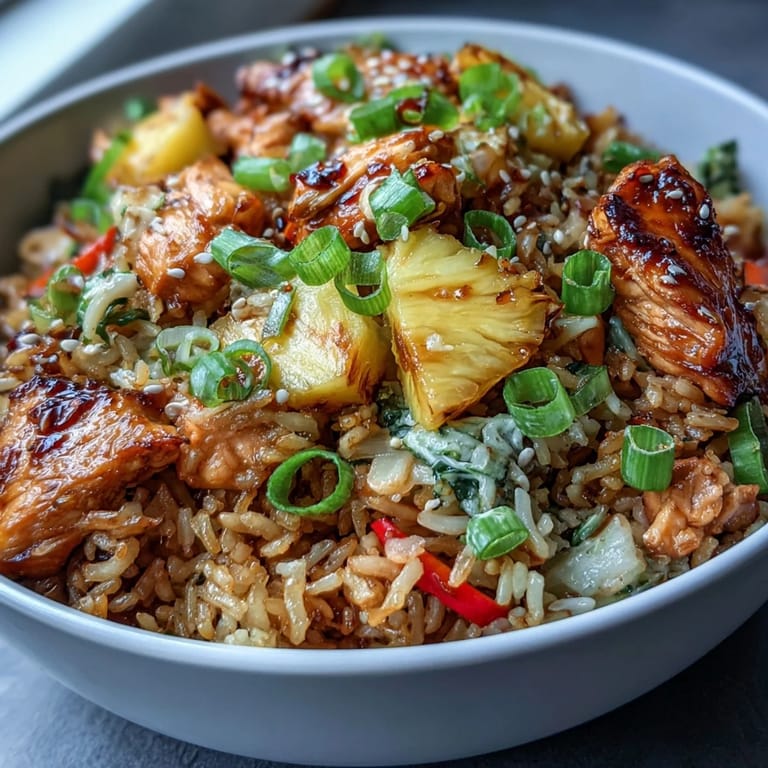
- Divide among bowls or plates while it's still steaming, garnish with those reserved green onions, and watch people's faces as they take their first bite.
 Save
Save My daughter, who usually picks around everything on her plate, actually finished her bowl and asked for seconds. That moment—when food stops being just sustenance and becomes something that brings people back to the table—that's what this dish does quietly and consistently.
When Fresh Pineapple Isn't Available
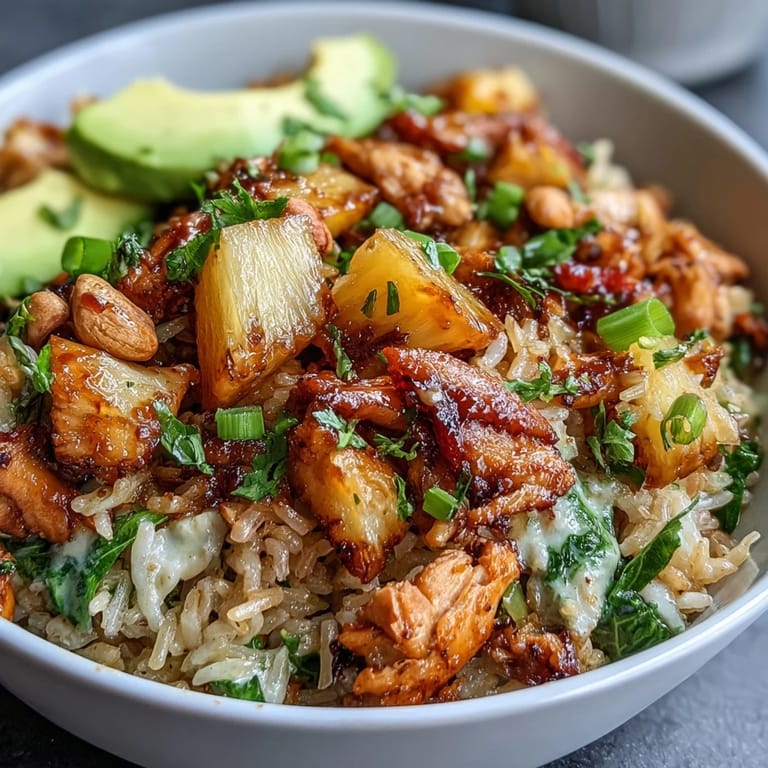
I've made this in winter when fresh pineapple costs a small fortune and tastes like nothing. Drained canned pineapple works better than I expected, though it's slightly softer and less acidic than fresh—if you go this route, reduce the soy sauce by half a tablespoon because canned pineapple is packed in syrup that adds sweetness. Frozen pineapple chunks work too if you thaw and drain them thoroughly; they're actually picked at peak ripeness and frozen immediately, so the flavor is sometimes more reliable than grocery store fresh.
Making This Vegetarian or Vegan
Omit the chicken and fish sauce, and you've lost nothing except the protein—add an extra cup of diced vegetables like mushrooms, snap peas, or broccoli florets instead. If you want the scrambled texture the eggs provide, use silken tofu pressed and crumbled into bite-sized pieces, or honestly, just skip it; the cashews and pineapple carry the dish beautifully on their own. The umami from the soy sauce and oyster sauce (or an extra tablespoon of soy if you're avoiding oyster sauce) is rich enough that no one will feel like something's missing.
Building Heat and Adjusting the Balance
This dish leans sweet and savory, which is exactly the point, but if you like heat, finely chop a Thai chili or serrano pepper and add it with the garlic. A quarter teaspoon of chili flakes stirred in during the last minute works too, though fresh chili gives you more control over how aggressively it builds. Taste as you go with the soy sauce—add it tablespoon by tablespoon rather than all at once, because every oven and every wok cooks differently, and you might need slightly less or slightly more depending on your specific setup and how well your fish sauce carries the umami weight.
- Fresh lime juice squeezed over the top at the very end adds brightness and makes the whole dish feel sharper and more alive.
- If you add heat, keep the sweet and savory elements the same; the balance is what makes this work.
- Always taste and adjust seasoning in the last minute so you're in control of the final flavor, not the recipe.
 Save
Save This has become the dish I reach for when I want to feel like I'm cooking something impressive while barely lifting a finger. It's proof that simple ingredients, properly balanced and cooked with a little intention, are all you ever really need.
Recipe Questions
- → What type of rice works best?
Day-old jasmine rice is ideal as it fries well without becoming mushy, providing a perfect texture.
- → Can I substitute chicken with a vegetarian option?
Yes, tofu or additional vegetables can replace chicken for a vegetarian variation without losing flavor.
- → What gives this dish its distinctive sweet-savory flavor?
The combination of juicy pineapple and soy-based sauces creates a harmonious balance of sweet and savory notes.
- → Are cashews essential for the dish?
Cashews add a crunchy texture and nutty flavor, enhancing both taste and mouthfeel, but can be omitted if needed.
- → How do I achieve the best flavor layering?
Cooking chicken first, sautéing vegetables, then stir-frying all ingredients together allows flavors to blend beautifully.