 Save
Save The cheery pop of a swing-top bottle in my kitchen always signals that my next batch of sparkling fermented lemonade has finished its magic. The first time I made this, the air smelled so alive—like a sunbeam mixed with fresh citrus. I found myself curious about fermentation out of a desire for a little healthy fizz and a hint of kitchen science. There was a tiny thrill in the anticipation, waiting to see if that fermentation would produce bubbles as promised. Who knew lemonade could feel so adventurous?
I remember bringing out a chilled pitcher of this at a backyard picnic on a blistering July afternoon. My cousin made a dramatic show of trying to open the bottle slowly, only to get softly spritzed in the face—everyone laughed, and we toasted to kitchen experiments gone deliciously right.
Ingredients
- 8 large lemons, juiced: Freshly squeezed is everything here—bottled lemon juice just can’t compare, and I like to roll them on the counter to get every drop.
- 1½ liters filtered water: Chlorine can mess up your ferment, so use filtered or previously boiled water cooled to room temp.
- 120 g raw honey: Unpasteurized honey is the heart of the fermentation; I once tried with regular honey, and nothing happened!
- 1 small knob fresh ginger (optional): Ginger brings a subtle warmth that sneaks up on you in the aftertaste if you add it.
- 1 sprig fresh mint (optional): Mint makes this extra cooling on hot days, especially if you muddle it a little before dropping it in.
Tired of Takeout? 🥡
Get 10 meals you can make faster than delivery arrives. Seriously.
One email. No spam. Unsubscribe anytime.
Instructions
- Make the Lemonade Base:
- Pour your freshly squeezed lemon juice into a big jar or pitcher, then add the filtered water and stir it together—you’ll smell the zestiness immediately.
- Dissolve the Honey:
- Add honey and stir with patience until it’s fully blended; it'll look cloudy at first, but the gold sheen comes through as you mix.
- Add Your Extras:
- If you want to experiment, toss in sliced ginger or a sprig of mint—I usually do half and half in two smaller jars.
- Jar and Prepare for Fermentation:
- Pour the lemonade into your glass jar, leaving a good inch at the top for bubbling—this is not the time to overfill.
- Cover for Fermentation:
- Seal with a loose-fitting lid or a fermentation airlock; if using just a cloth, make sure it's tight enough to keep fruit flies out but breathable.
- Ferment and Taste:
- Set the jar somewhere cool and shaded, and check it once daily; when tiny bubbles race to the surface and the taste is tangy with a sparkle, it's ready—usually in 2 to 3 days.
- Bottle and Chill:
- Strain out any solids, transfer to bottles, and seal them tight; refrigerate for at least 4 hours so it’s perfectly cold and fizzy.
- Serve and Enjoy:
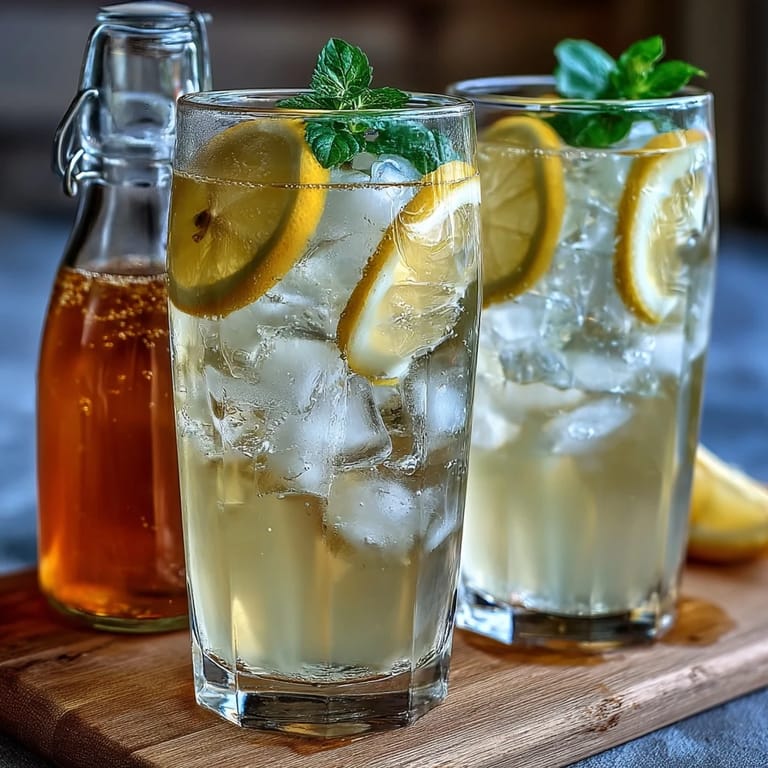
- Pour over ice and listen for that soft hiss—this is lemonade with personality.
 Save
Save There was a quiet moment one evening with just a glass of this lemonade and me, listening to the gentle fizz and thinking how strange and wonderful it is that lemons and honey can conjure something so lively without a machine. That’s when I realized I wasn’t just making a drink, but a little ritual for myself.
Choosing Your Lemons
I learned quickly that organic lemons make a world of difference—not only are they juicier, but you can use the zest if you want extra fragrance. Sometimes I rub some zest onto my palms during prep, and the scent lingers for hours.
Fermenting Safely at Home
It can be tempting to peek or shake the jar, but hands off — patience gave me the best fizz. As a bonus, a clip-top bottle means less risk of a sticky countertop disaster if the pressure gets high.
How to Add Fun Flavors
Once comfortable with the basic batch, adding things like a handful of raspberries or basil leaves made even tiny recipe tweaks feel like a whole new adventure. Swapping mint for basil was a crowd-pleaser, and a pinch of salt brought out more complexity.
- If nervous, start with just one additional flavor ingredient and taste daily.
- Always strain thoroughly so nothing clogs your bottles.
- Never forget to label your jars—the variations can look deceptively similar.
 Save
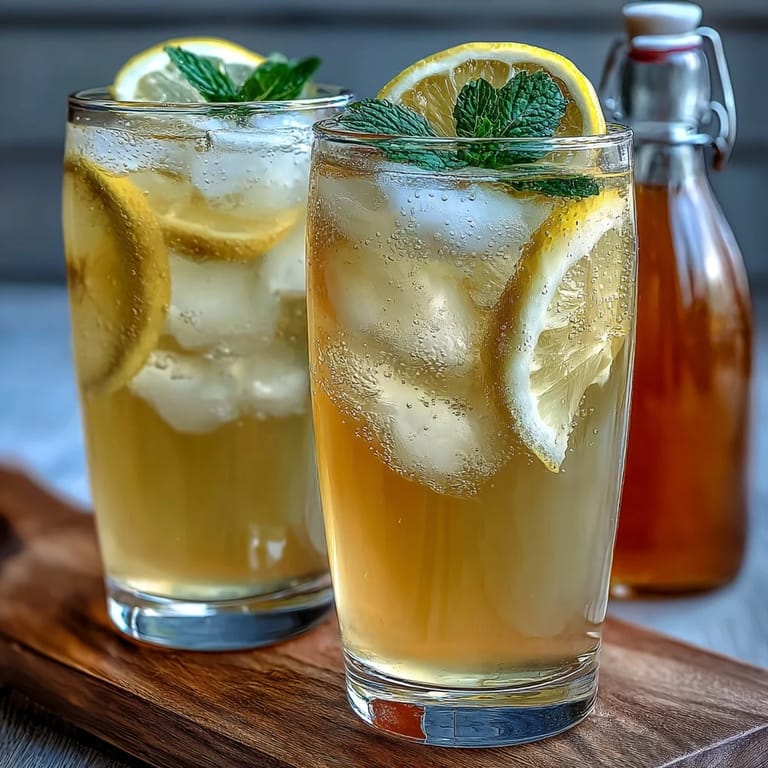
Save I love sharing bottles of this with friends on sunny afternoons—each sip is a bright twist on something so familiar, yet made special by the care and a little fermentation magic.
Recipe Questions
- → How long should I ferment the lemonade?
Ferment at room temperature for 2–3 days, tasting daily. For stronger fizz you can extend to 4 days, but check for pressure build-up and bottle sooner when the flavor is pleasantly tangy.
- → Can I use pasteurized honey or sugar instead?
Use raw, unpasteurized honey for reliable natural fermentation—pasteurized honey often lacks the wild yeasts needed. If you prefer sugar, you'll need a different starter (like whey or a kombucha starter) to initiate fermentation.
- → How do I avoid bottle explosions from carbonation?
Leave adequate headspace when bottling, use sturdy swing-top bottles, and refrigerate once desired fizz is reached. 'Burp' sealed bottles periodically during fermentation to release excess pressure safely.
- → What flavor additions work best?
Ginger slices and fresh mint are classic additions. Berries, basil, or a pinch of sea salt also complement the lemon. Add robust ingredients before fermentation and delicate herbs after to preserve aroma.
- → Is this beverage suitable for everyone?
Not suitable for infants under 1 year due to honey. Those with honey allergies should avoid. Otherwise it is vegetarian, gluten-free and dairy-free—always check labels on any added ingredients.
- → How long does it keep once refrigerated?
Refrigerated, the fizzy lemonade keeps well for about 1–2 weeks. Flavor will slowly evolve as residual fermentation continues in the cold—consume within a couple weeks for best freshness.