 Save
Save My kitchen smelled like roasted cumin and caramelized onions the afternoon I first threw together a grain bowl without a plan, just grabbing what seemed right from the fridge. Black-eyed peas had been simmering quietly on the back burner, farro was cooling on the counter, and I realized I had all these colorful vegetables that needed roasting before they wilted. What started as a practical use of leftovers became something I actually craved the next day, then the day after that. There's something about layering flavors and textures into one bowl that feels both nourishing and celebratory.
I made four of these bowls for my neighbor who had just moved and was living out of boxes, and watching her face light up when she realized it was hearty enough to be a whole meal made me understand why people love a good grain bowl. She texted me the next week asking if I could share how I made it, and suddenly this became my go-to thing to bring when someone needs real food that doesn't come in a disposable container.
Ingredients
- Farro or wild rice (1 cup uncooked): Farro has this nutty, slightly chewy texture that makes the bowl feel substantial, though wild rice works beautifully too if you prefer something earthier and don't mind the longer cooking time.
- Water or vegetable broth (2 cups): Broth adds whisper-soft background flavor that water can't quite match, but either works fine if that's what you have.
- Salt (1/2 tsp): This small amount seasons the grains as they cook, building flavor from the start.
- Cooked black-eyed peas (1 1/2 cups): Canned and drained works just as well as homemade, and they bring an earthy sweetness and protein that anchors the whole bowl.
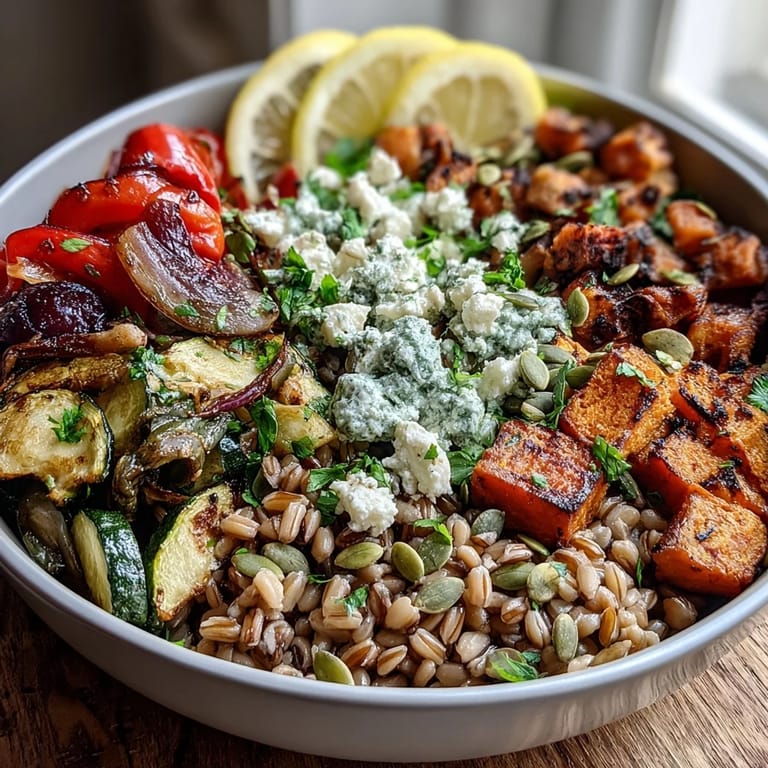
- Sweet potato, red bell pepper, zucchini, and red onion: These vegetables roast into something almost caramelized, and the variety means every bite has different textures and flavors playing together.
- Olive oil (2 tbsp): This helps the vegetables brown and crisp at the edges where the magic happens.
- Smoked paprika and ground cumin (1/2 tsp each): These spices add warmth and a hint of smoke that ties everything together without overpowering.
- Fresh parsley or cilantro (1/4 cup chopped): The brightness cuts through the roasted richness and makes you taste every layer instead of just experiencing them as one dish.
- Toasted pumpkin or sunflower seeds (1/4 cup): They add a satisfying crunch and nuttiness that keeps your jaw engaged through each bite.
- Feta cheese (1/4 cup crumbled, optional): It's tangy and salty and makes everything feel a little more indulgent, though you won't miss it if you skip it.
- Lemon wedges for serving: These are not optional in my mind because they wake up every component and make the whole bowl taste lighter and brighter.
Tired of Takeout? 🥡
Get 10 meals you can make faster than delivery arrives. Seriously.
One email. No spam. Unsubscribe anytime.
Instructions
- Get your oven ready and start the grains:
- Preheat your oven to 425°F while you combine farro or wild rice with water or broth and salt in a medium saucepan. Bring it to a boil, then lower the heat and let it simmer gently under a lid until the grains are tender and the liquid is mostly absorbed, following package directions.
- Prepare and toss the vegetables:
- While the grains are cooking, peel and cube your sweet potato, dice the bell pepper, slice the zucchini into half-moons, and cut the red onion into thick wedges. Toss everything together in a bowl with olive oil, smoked paprika, cumin, salt, and pepper until every piece is lightly coated.
- Roast until caramelized:
- Spread the vegetables in a single layer on a baking sheet and slide them into the oven for 20 to 25 minutes, stirring them halfway through so they brown evenly on all sides. You'll know they're done when the edges are a little charred and the sweet potato is fork-tender.
- Warm the black-eyed peas:
- If your peas have been sitting in the fridge or pantry, gently warm them in a small saucepan over medium heat or give them a quick spin in the microwave. This only takes a few minutes and makes them taste fresher and more integrated into the bowl.
- Layer and finish:
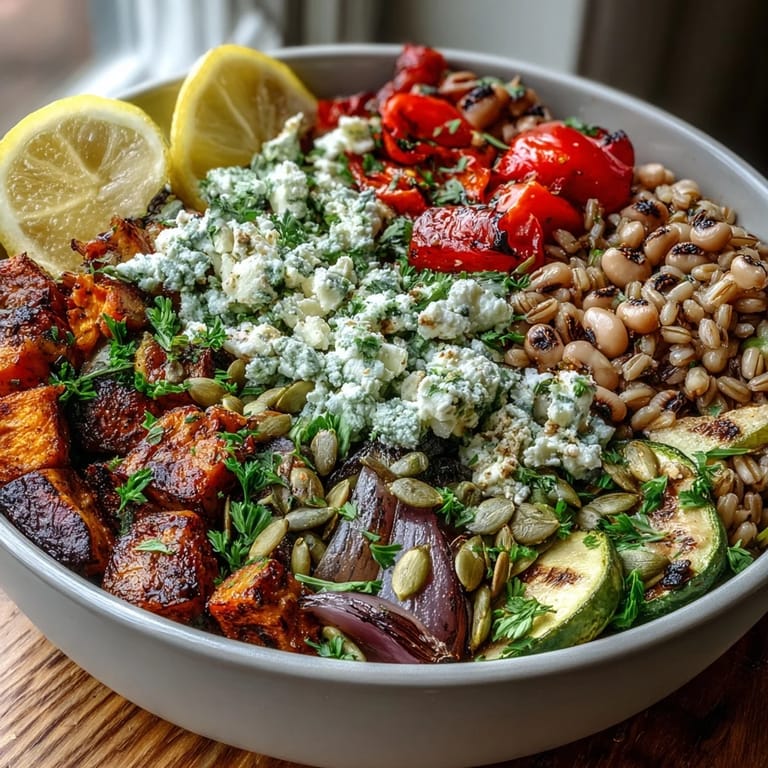
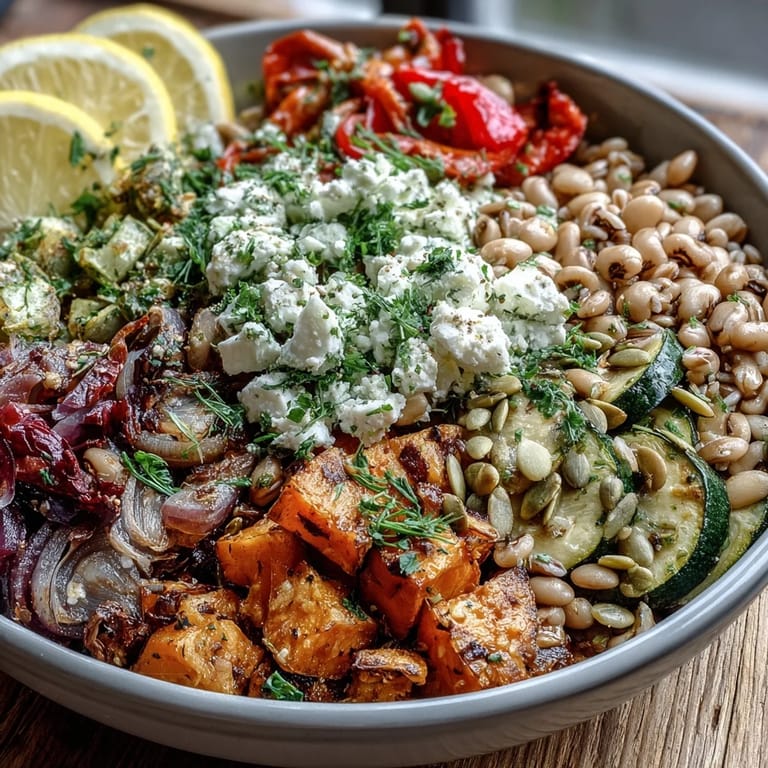
- Divide your cooked grains among four bowls, then top each one with black-eyed peas and a generous portion of roasted vegetables. Scatter fresh herbs, toasted seeds, and feta if you're using it across the top, and serve with lemon wedges on the side so everyone can squeeze their own brightness into the mix.
 Save
Save There was a quiet moment last winter when I realized this bowl had become my answer to almost everything, whether I was tired or inspired, feeding myself or impressing someone. It's the kind of dish that works with whatever you have, but somehow never feels like a compromise.
When to Make This
This bowl works equally well on a busy weeknight when you need something that feels complete in about fifty minutes, or on a Sunday afternoon when you want to spend time in the kitchen without pressure. It also travels beautifully in a container if you're eating it tomorrow, and the flavors actually deepen and meld overnight in a way that's better than eating it fresh.
How to Make It Your Own
The structure of this bowl is forgiving enough that you can swap almost any grain, vegetable, or herb and still end up with something that tastes intentional. I've made it with barley, with cherry tomatoes and summer squash instead of peppers, with cilantro when I had parsley growing wild on my windowsill. The point isn't to follow this exactly, but to understand that you need a grain base, something protein-rich, vegetables that benefit from roasting, and fresh brightness at the end.
- Try a tahini-lemon dressing drizzled over everything for richness, or a simple vinaigrette if you want something brighter.
- Add avocado slices or a poached egg if you want extra indulgence, or keep it lean and vegetable-forward.
- For heat, sprinkle chili flakes across the top or stir a little hot sauce into the peas before assembling.
Storage and Make-Ahead
You can cook the grains and roast the vegetables up to three days ahead, storing them separately in airtight containers so nothing gets soggy or mushy. Assemble the bowls just before eating so the seeds stay crispy and the herbs stay bright, though if you're eating leftovers for lunch the next day, it will still be wonderful even if things have softened together a little.
 Save
Save This bowl taught me that the best meals don't have to be complicated, just thoughtfully composed. Once you understand how the pieces work together, you can feed yourself and everyone around you really well.
Recipe Questions
- → Can I use dried black-eyed peas instead of canned?
Yes, soak dried peas overnight and simmer for 45-60 minutes until tender. One cup dried yields approximately three cups cooked.
- → What other grains work well in this bowl?
Brown rice, quinoa, barley, or bulgur make excellent substitutes. Adjust cooking times according to package instructions.
- → How long do these bowls keep in the refrigerator?
Store components separately in airtight containers for up to 5 days. Reheat grains and vegetables gently, adding fresh herbs before serving.
- → What dressing pairs best with these flavors?
A tahini-lemon dressing, herbed vinaigrette, or light avocado dressing complements the roasted vegetables and earthy grains beautifully.
- → Can I freeze the prepared bowls?
Freeze grains and vegetables separately for up to 3 months. Add fresh herbs and seeds after reheating for best texture and flavor.