 Save
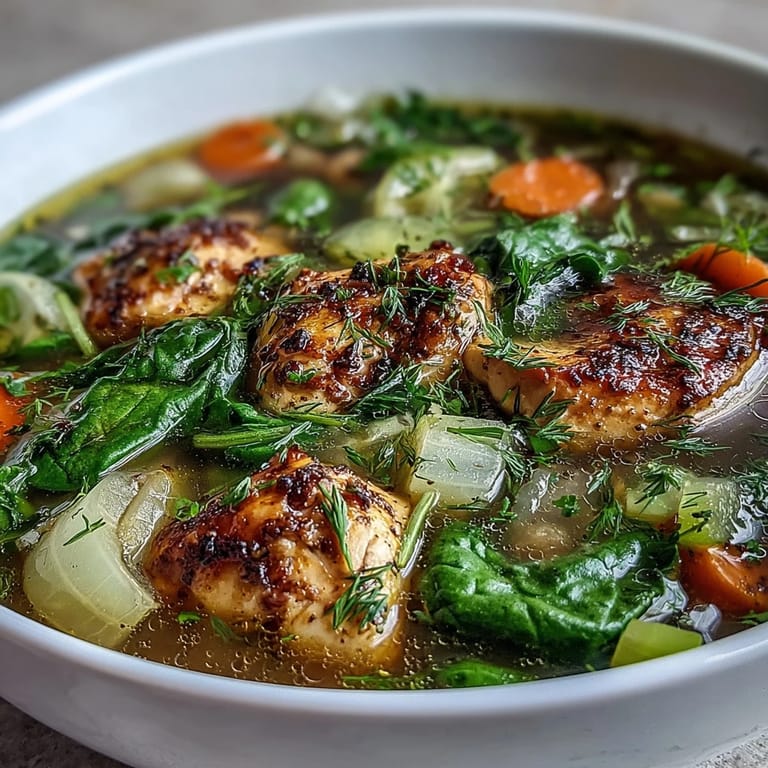
Save There's a moment in late January when the kitchen feels cold and my body seems to crave something honest and clean. That's when this soup found its way into my regular rotation. My neighbor had just returned from a wellness retreat talking about resetting her system, and instead of rolling my eyes, I found myself curious about what a real detox soup might taste like beyond the hype. Turns out, it tastes like lemon, bright herbs, and the kind of simplicity that makes you feel genuinely better. One pot, forty minutes, and suddenly the apartment smells like a kitchen that knows what it's doing.
I made this for my sister on a day when she was recovering from a cold, and watching her ask for a second bowl without prompting told me everything. She said it tasted like someone actually cared, which is the highest compliment a soup can receive. Since then, it's become the first thing I reach for when I want to cook for someone who needs gentle nourishment.
Ingredients
- Boneless, skinless chicken breasts (2 medium, about 350 g, cut into bite-sized pieces): Cut them into pieces smaller than you think you need because they'll continue cooking and shrink slightly in the broth.
- Medium carrots (2, peeled and sliced): The natural sweetness balances the brightness of the lemon without needing added sugar.
- Celery stalks (2, sliced): This is your umami foundation, the quiet backbone that makes every spoonful taste fuller than it should.
- Medium zucchini (1, diced): Adds body without heaviness, and it disappears almost completely into the broth if you prefer a more delicate texture.
- Small onion (1, finely chopped): Dice it small enough that it melts into the base rather than announcing itself.
- Garlic cloves (3, minced): Don't skip the mincing step because garlic chunks can overpower the delicate herb balance.
- Baby spinach (150 g): Add it at the very end so it stays bright green and tender, not gray and tired.
- Small potato (1, peeled and diced, optional): If you want the soup heartier, this is your answer without derailing the clean, light intention.
- Low-sodium chicken broth (1.5 liters): Use good broth because it's the foundation everything else builds on, and cheap broth will betray you in a quiet way.
- Water (250 ml): This dilutes the saltiness slightly and lets the other flavors breathe.
- Lemon juice (from 1 lemon, plus wedges for serving): Fresh lemon is non-negotiable; bottled juice tastes metallic in comparison.
- Bay leaf (1): Remove it before serving or you'll bite into sadness.
- Dried thyme (1 tsp, or 1 Tbsp fresh leaves): Thyme brings an earthiness that grounds the brightness of the lemon.
- Dried oregano (1/2 tsp): Just enough to add a subtle Mediterranean whisper.
- Fresh parsley (1/4 cup, chopped): This is where the freshness lives, so chop it right before adding or store it loosely wrapped in damp paper towels.
- Fresh dill (2 Tbsp, chopped): Dill is unexpected and transforms the soup from generic to genuinely interesting.
- Salt and freshly ground black pepper: Taste as you go because seasoning needs adjustment once the lemon is added.
- Olive oil (1 Tbsp): Just enough to build flavor without making the soup feel oily.
Tired of Takeout? 🥡
Get 10 meals you can make faster than delivery arrives. Seriously.
One email. No spam. Unsubscribe anytime.
Instructions
- Build your base with softened vegetables:
- Heat the olive oil over medium heat and add the onion, carrots, and celery. Sauté for about 5 minutes, stirring occasionally, until the edges start turning tender and the kitchen smells like something good is about to happen. The vegetables should soften but maintain their shape.
- Toast the garlic:
- Stir in the minced garlic and let it cook for exactly 1 minute until it becomes fragrant. Any longer and it turns bitter; any shorter and it stays sharp.
- Sear the chicken gently:
- Add the chicken pieces and cook, stirring frequently, for 3-4 minutes until they're lightly browned on most sides. They won't be fully cooked yet, and that's perfect because the broth will finish them gently.
- Pour in the broth and aromatics:
- Add the chicken broth and water, then add the bay leaf, thyme, oregano, and potato if you're using it. Stir in the diced zucchini and season with salt and pepper, tasting as you adjust. The broth should taste slightly salty because it will be balanced by the lemon at the end.
- Simmer until everything is tender:
- Bring the pot to a gentle boil, then reduce the heat to low and cover it. Simmer for 20 minutes, which gives the chicken time to cook through completely and the vegetables time to become tender without turning to mush. You'll hear the quiet rhythm of a gentle simmer, not an aggressive bubble.
- Wilt in the greens and fresh herbs:
- Add the spinach, parsley, and dill and stir gently for 3-4 minutes until the spinach collapses into the broth. The greens will brighten the color of the entire pot, and the herbs will release their oils into the hot broth.
- Finish with lemon and adjust seasoning:
- Stir in the lemon juice and taste the soup. It should taste bright but balanced, not aggressively sour. If it's too lemony, add a pinch more salt to round it out; if it needs more brightness, add a touch more lemon juice.
- Serve with intention:
- Remove the bay leaf carefully, ladle the soup into bowls, and offer lemon wedges on the side so people can adjust the brightness to their preference. Fresh herbs scattered on top add a final flourish of freshness.
 Save
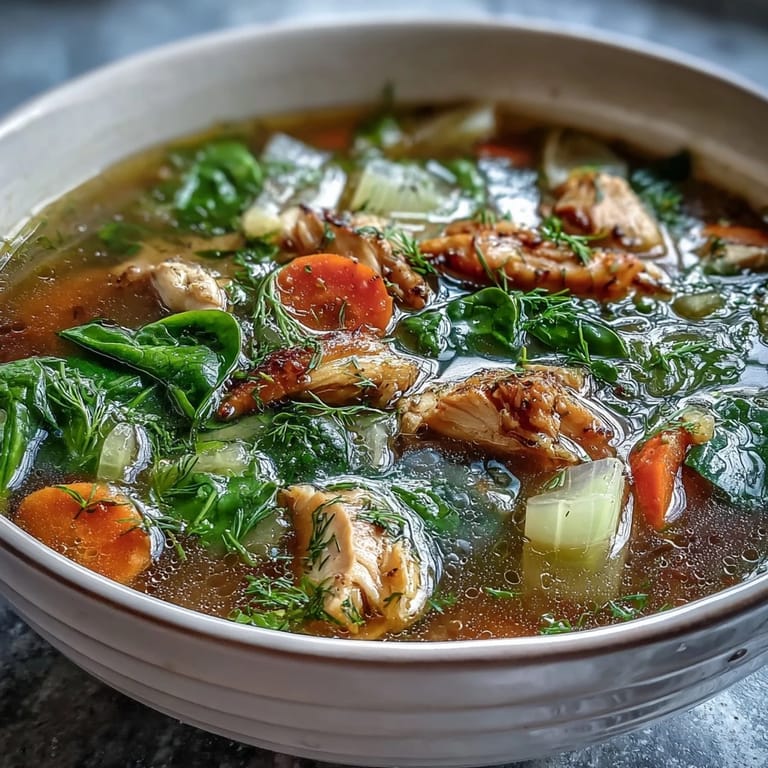
Save My favorite moment with this soup came when a friend took a sip and said it tasted like someone had distilled the idea of feeling better into a single bowl. That's when I realized the real magic isn't about any single ingredient or technique, but about the intention behind making something nourishing for yourself or someone else. The soup knows it's being cared for, somehow.
The Vegetarian Pivot
Omit the chicken entirely and add a can of white beans or chickpeas instead, adding them when you pour in the broth so they have time to warm through and absorb the flavors. The soup becomes equally satisfying, less about protein density and more about eating something whole and real. I've made this version for vegetarian friends and they've never once complained about missing the chicken.
When You Need a Gentle Heat
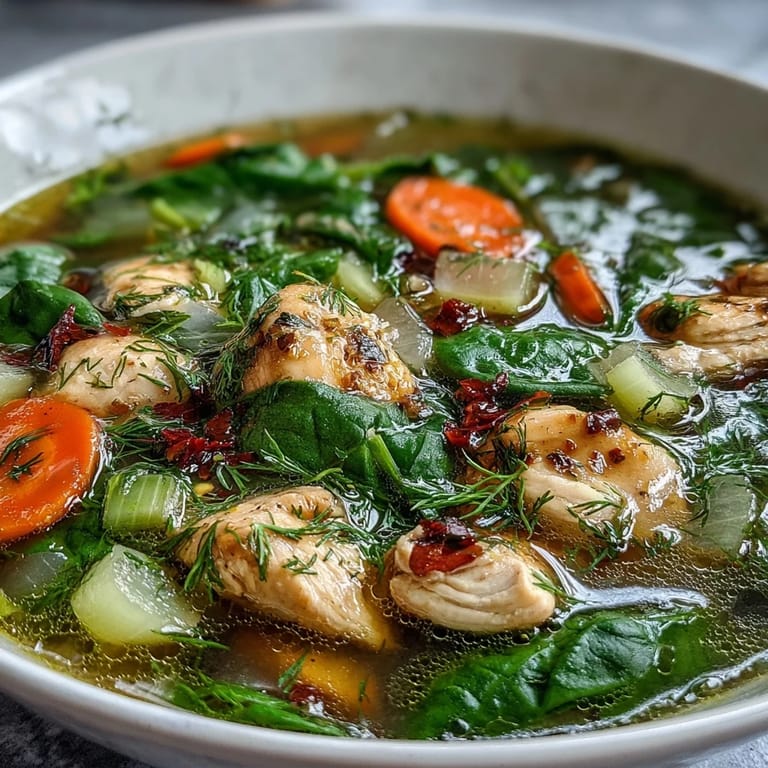
If the soup feels too mild and you want a subtle warmth that doesn't announce itself aggressively, add a small pinch of chili flakes or red pepper after the lemon juice. Start with 1/4 teaspoon and taste, because heat is personal and you can always add more but you can't take it back. The spice should complement the herbs, not overpower them.
Making It a Meal and Storage Wisdom
Serve this alongside crusty whole-grain bread if you want something more substantial, or pair it with a simple green salad dressed in olive oil and lemon to double down on the fresh, clean intention. Leftovers keep in the refrigerator for up to 3 days and actually taste better on day two or three because the herbs have more time to whisper their flavors into the broth. Reheat gently on the stovetop over low heat rather than the microwave, and add fresh herbs right before serving so they don't lose their brightness.
- Freeze individual portions in mason jars if you want emergency meals that taste like someone cared about your wellness.
- Don't freeze the fresh herbs separately because they won't survive the process, but the soup base freezes beautifully for up to 3 months.
- When you reheat, let the soup come to temperature slowly and taste it before serving because flavors can shift subtly during storage.
 Save
Save This soup asks nothing of you except intention and a willingness to let simple ingredients speak for themselves. That's its whole point.
Recipe Questions
- → Can I substitute chicken with other proteins?
Yes, white beans or canned chickpeas can replace chicken for a vegetarian alternative while maintaining protein content.
- → How do fresh herbs affect the flavor?
Fresh parsley and dill add bright, aromatic notes enhancing the soup’s freshness and complexity.
- → What is the best way to store leftovers?
Keep the soup refrigerated in an airtight container for up to 3 days; flavors deepen overnight.
- → Can I add heat to this soup?
Yes, a pinch of chili flakes added during cooking provides a gentle warming kick without overpowering.
- → Is using lemon juice optional?
Lemon juice brightens and balances the flavors, but can be adjusted to taste or omitted if preferred.