 Save
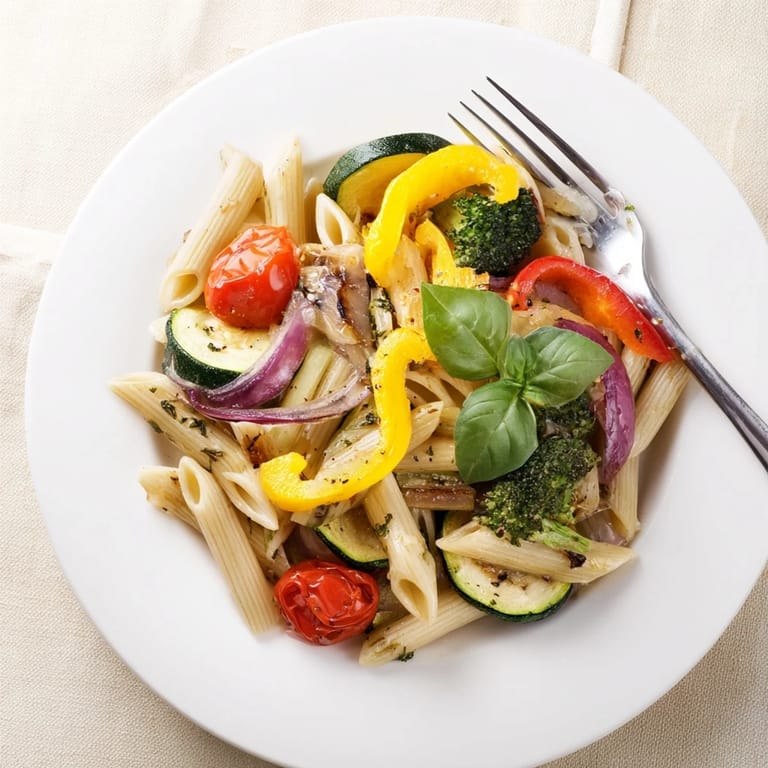
Save There was a Wednesday evening last spring when I realized I had nothing planned for dinner and a crisper drawer full of vegetables that needed attention. I pulled out every colorful thing I could find, lined them up on the counter, and decided to let the oven do most of the work. What emerged was this bright, garlicky pasta that my youngest declared better than takeout. Now it's my go-to when I want something that feels special but doesn't require much fuss.
I made this for a small dinner party once, and my friend who swore she didn't like zucchini went back for seconds. She kept asking what I did to make the vegetables taste so good, and I had to admit it was just olive oil, salt, and a hot oven. Sometimes the simplest techniques are the ones that surprise us most. That night taught me that roasting vegetables isn't just a cooking method, it's a way to completely change how people experience them.
Ingredients
- Penne or fusilli pasta: These shapes have ridges and curves that catch the olive oil and bits of roasted vegetable, making every bite flavorful.
- Zucchini and yellow squash: They soften beautifully in the oven and develop golden edges that add a slight sweetness to balance the garlic.
- Red and yellow bell peppers: Roasting them brings out their natural sugars and gives them a tender, almost jammy texture.
- Red onion: It caramelizes in the oven and adds a mild, slightly sweet bite that ties everything together.
- Cherry tomatoes: They burst and concentrate their flavor, creating little pockets of tangy brightness throughout the dish.
- Broccoli florets: The edges get crispy while the stems stay tender, adding texture contrast that keeps each bite interesting.
- Extra virgin olive oil: Use a good one here, it coats the pasta and vegetables and carries the garlic and herbs into every corner.
- Garlic: Fresh minced garlic sautéed briefly in oil creates a fragrant base that makes the whole dish smell like an Italian kitchen.
- Dried Italian herbs: A blend of oregano, basil, and thyme adds warmth and familiarity without overpowering the fresh vegetables.
- Salt and black pepper: Essential for bringing out the natural flavors of the vegetables and balancing the richness of the olive oil.
- Red pepper flakes: Just a pinch adds a gentle heat that wakes up your palate without making the dish spicy.
- Parmesan cheese: Freshly grated melts slightly into the warm pasta and adds a nutty, salty finish that makes everything taste more luxurious.
- Fresh basil or parsley: A handful of chopped herbs at the end adds brightness and a pop of color that makes the dish feel complete.
- Lemon wedges: A squeeze of lemon juice right before serving lifts all the flavors and adds a refreshing contrast to the richness.
Tired of Takeout? 🥡
Get 10 meals you can make faster than delivery arrives. Seriously.
One email. No spam. Unsubscribe anytime.
Instructions
- Preheat and Prep:
- Set your oven to 220°C (425°F) and line a large baking sheet with parchment paper so the vegetables don't stick. This high heat is what creates those beautiful caramelized edges.
- Arrange the Vegetables:
- Spread the zucchini, yellow squash, bell peppers, red onion, cherry tomatoes, and broccoli in a single layer on the sheet. Drizzle with 2 tablespoons of olive oil, sprinkle with Italian herbs, salt, and pepper, then toss everything with your hands to coat evenly.
- Roast Until Golden:
- Slide the pan into the oven and roast for 18 to 20 minutes, stirring once halfway through so everything browns evenly. You'll know they're ready when the edges are golden and the vegetables are tender but not mushy.
- Boil the Pasta:
- While the vegetables roast, bring a large pot of salted water to a rolling boil and cook the pasta according to the package directions until al dente. Before draining, scoop out half a cup of the starchy pasta water and set it aside.
- Sauté the Garlic:
- In a large skillet over medium heat, warm the remaining tablespoon of olive oil and add the minced garlic. Let it sizzle for about 30 seconds until it smells fragrant and just starts to turn golden, then pull the pan off the heat so it doesn't burn.
- Combine and Toss:
- Add the roasted vegetables and drained pasta to the skillet with the garlic. Toss everything gently, adding splashes of the reserved pasta water to help the olive oil coat the pasta and create a light sauce that clings to every piece.
- Finish and Season:
- Remove the skillet from the heat and stir in half of the grated Parmesan and the chopped fresh basil or parsley. Taste and adjust the salt and pepper as needed.
- Serve:
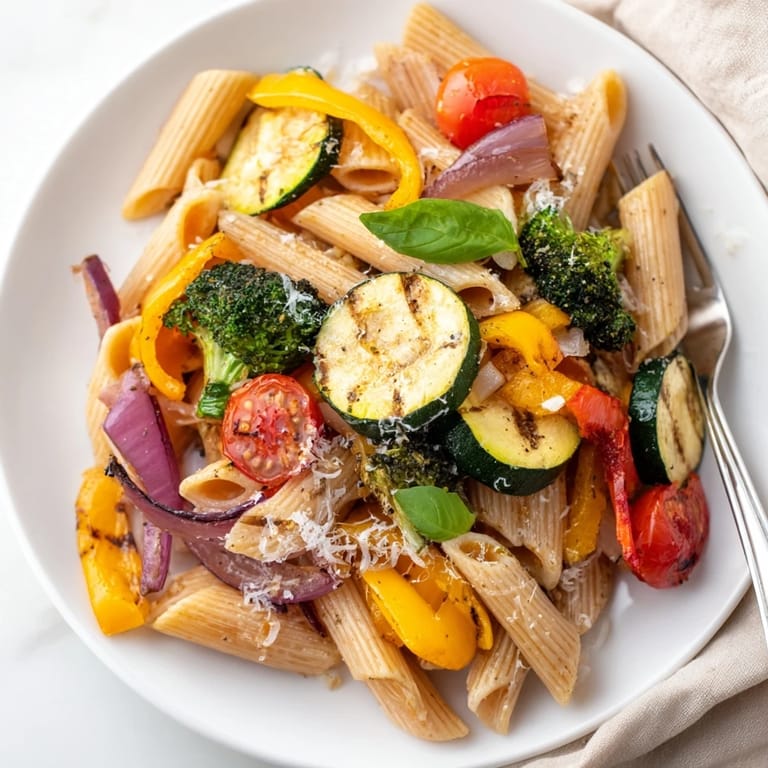
- Divide the pasta among bowls and top with the remaining Parmesan and a few more fresh herbs. If you like, add a squeeze of lemon juice over each serving for a bright, tangy finish.
 Save
Save One Saturday afternoon, I made this pasta and ate it on the back porch while the sun was setting. The combination of warm pasta, crisp vegetables, and that hit of lemon at the end felt like exactly what I needed after a long week. It wasn't fancy or complicated, but it reminded me that good food doesn't have to be. Sometimes a bowl of pasta and vegetables is enough to reset your whole mood.
Making It Your Own
This recipe is incredibly forgiving and practically begs you to swap things around based on what's in season or what you have on hand. In the spring, I love adding asparagus and snap peas for a fresh, green version. During the summer, throw in some sliced eggplant or fresh corn kernels. In the fall, roasted butternut squash and mushrooms bring a heartier, earthier flavor that feels perfect for cooler evenings. The key is to keep the vegetables roughly the same size so they roast evenly.
Adding Protein
If you want to make this more substantial, it's easy to add protein without changing the spirit of the dish. I've tossed in sautéed shrimp during the final mix, and the sweetness of the shrimp pairs beautifully with the roasted vegetables. Grilled chicken sliced thin works just as well, especially if you season it with the same Italian herbs. For a vegetarian boost, a can of rinsed chickpeas roasted alongside the vegetables adds texture and makes the dish more filling. Even a soft poached egg on top turns this into a completely different but equally satisfying meal.
Storage and Reheating
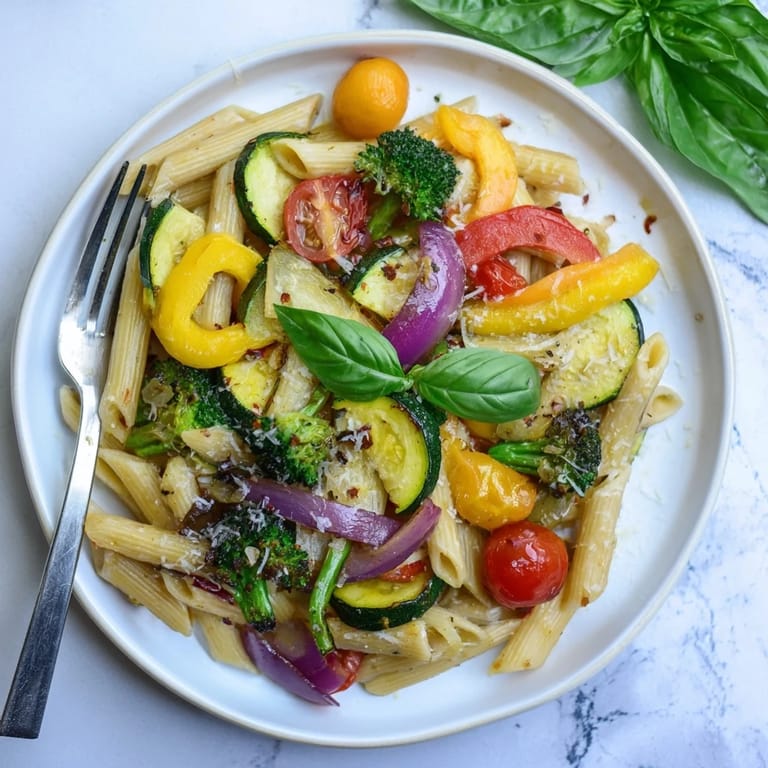
Leftovers keep well in the fridge for up to three days, though the vegetables will soften a bit as they sit. I store everything in an airtight container and reheat it gently in a skillet over medium heat with a splash of water or olive oil to loosen it up. You can also eat it cold as a pasta salad, which I've done more times than I'd like to admit when I'm too hungry to wait. If you're meal prepping, I recommend storing the pasta and vegetables separately so the pasta doesn't absorb too much moisture and get mushy.
- Add a drizzle of fresh olive oil and a squeeze of lemon before reheating to bring back some brightness.
- If the pasta seems dry, a tablespoon or two of water or broth will help revive the sauce.
- Top with freshly grated Parmesan just before serving, even on leftovers, to make it feel like a fresh meal again.
 Save
Save This pasta has become one of those recipes I return to again and again, not because it's fancy, but because it's honest and satisfying. I hope it finds a place in your kitchen the way it has in mine.
Recipe Questions
- → Can I prepare this dish ahead of time?
Yes, you can roast the vegetables up to 2 days in advance and store them in an airtight container. Cook the pasta fresh before serving, then combine with the reheated vegetables for best texture and flavor.
- → What vegetables work best for roasting?
Use firm vegetables that hold their shape when roasted. Zucchini, squash, bell peppers, broccoli, asparagus, and snap peas work well. Cherry tomatoes add sweetness while mushrooms provide an earthy note. Choose based on seasonal availability.
- → How do I achieve the perfect al dente pasta texture?
Start checking pasta 1-2 minutes before the package time suggests. It should be tender but still have a slight firmness when bitten. Reserve pasta water before draining to help loosen the final dish if needed.
- → Is this dish suitable for dietary restrictions?
This vegetarian pasta is naturally meat-free. For dairy-free, omit Parmesan or use nutritional yeast. For gluten-free, use certified gluten-free pasta. All vegetables are vegan-friendly, making this easily adaptable to various diets.
- → What wine pairs well with this dish?
Light, crisp white wines complement this dish beautifully. Pinot Grigio or Sauvignon Blanc enhance the fresh vegetable flavors without overwhelming the delicate garlic and herb profile.
- → Can I add protein to this pasta?
Absolutely. Sautéed chicken, grilled shrimp, or roasted chickpeas add substance and protein. Cook protein separately and fold in during the final tossing step to maintain proper cooking times and textures.