 Save
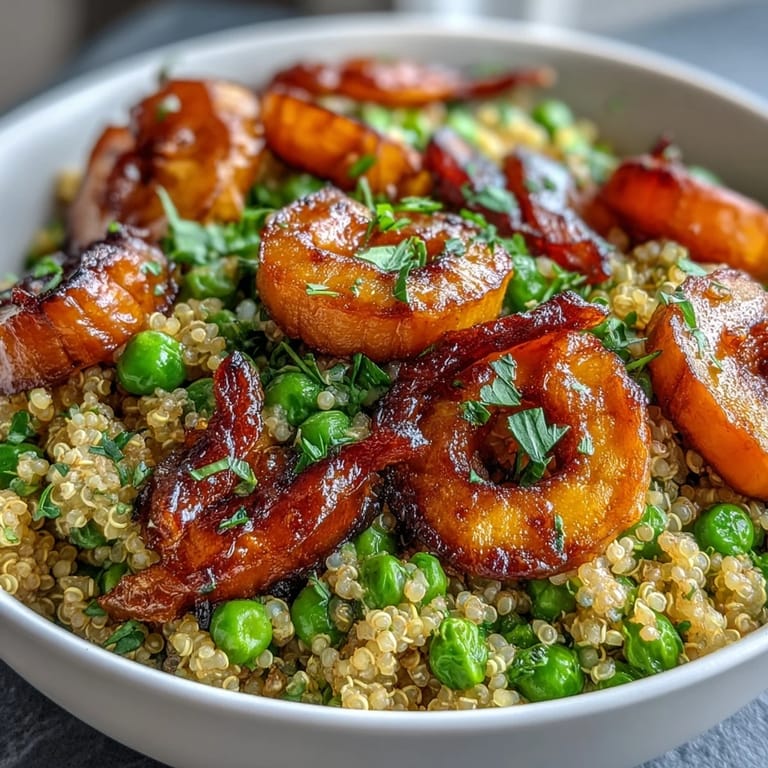
Save There's something about a bowl of warm quinoa that makes everything feel manageable, even on days when cooking feels like too much. I discovered this particular combination on a Tuesday afternoon when my fridge looked sad and my energy was low, but somehow assembling roasted carrots, fluffy quinoa, and bright peas into one bowl transformed the mood entirely. The nutty grain soaks up every bit of that tangy lemon dressing, while the caramelized carrots add a sweetness that doesn't feel forced or heavy. It became my go-to lunch that entire season, the kind of meal you could eat four times a week without getting bored.
My partner watched me assemble the first bowl of this and asked why I was suddenly so into eating like a wellness influencer, but then he tried it and went quiet. That particular kind of quiet where someone's genuinely surprised by what's on their plate. He asked for seconds, then wondered if I could make it again the next day, which was basically a love letter from someone who usually eyeballs my cooking with suspicion.
Ingredients
- Quinoa, rinsed: This tiny grain deserves the rinsing step even though it seems fussy, because that bitter coating washes right off and you're left with something genuinely fluffy and nutty.
- Water or vegetable broth: Broth wins every time if you have it, turning the quinoa into something with actual flavor rather than just texture.
- Carrots, peeled and sliced into 1/2-inch rounds: The thickness matters here because thinner slices dry out and thicker ones don't caramelize properly in the time you have.
- Red onion, sliced: The raw sharpness mellows beautifully when roasted, and it adds color that makes the whole bowl feel intentional.
- Green peas, fresh or frozen: Frozen works without apology here, and honestly sometimes tastes fresher than fresh peas from the grocery store.
- Olive oil: Use something you'd actually taste on bread, not the cheap stuff you save for cooking temperatures.
- Lemon juice: Fresh squeezed if you can manage it, because the bottled version has a slightly plasticky aftertaste that ruins an otherwise balanced dressing.
- Dijon mustard: Just a teaspoon, but it gives the dressing backbone and keeps it from tasting sweet and boring.
- Honey or maple syrup: A tiny touch that balances the acid without making anyone ask if they're eating salad dressing or dessert.
- Salt and black pepper: Season as you taste, because different olive oils and lemons want different amounts.
- Fresh parsley, chopped: A handful at the end brings freshness that doesn't exist if you skip it, even though it seems optional.
- Feta cheese and pumpkin seeds: Both optional, but the cheese adds tang and the seeds add crunch that makes texture interesting.
Tired of Takeout? 🥡
Get 10 meals you can make faster than delivery arrives. Seriously.
One email. No spam. Unsubscribe anytime.
Instructions
- Heat your oven and prepare the vegetables:
- Get the oven going to 400°F while you slice your carrots into those half-inch rounds and chop the red onion. Toss them both with olive oil, salt, and pepper on a baking sheet, spreading them in a single layer so they actually caramelize instead of steam.
- Start the quinoa:
- While the vegetables find their color in the oven, rinse your quinoa under cool water and add it to a saucepan with your broth or water. Bring it to a boil, then cover and reduce the heat low, letting it simmer for 15 minutes until the liquid disappears and the grain gets fluffy.
- Roast until the edges turn golden:
- Prepare the peas:
- If you're using frozen peas, blanch them in boiling water for just a couple minutes so they stay bright green and don't turn to mush. Fresh peas can steam for the same amount of time until they taste tender but still feel like something real.
- Make the dressing while everything cooks:
- Whisk together your olive oil, lemon juice, mustard, and honey in a small bowl until it looks glossy and emulsified. Taste it and adjust the salt and pepper until it tastes bright without being harsh.
- Assemble your bowls:
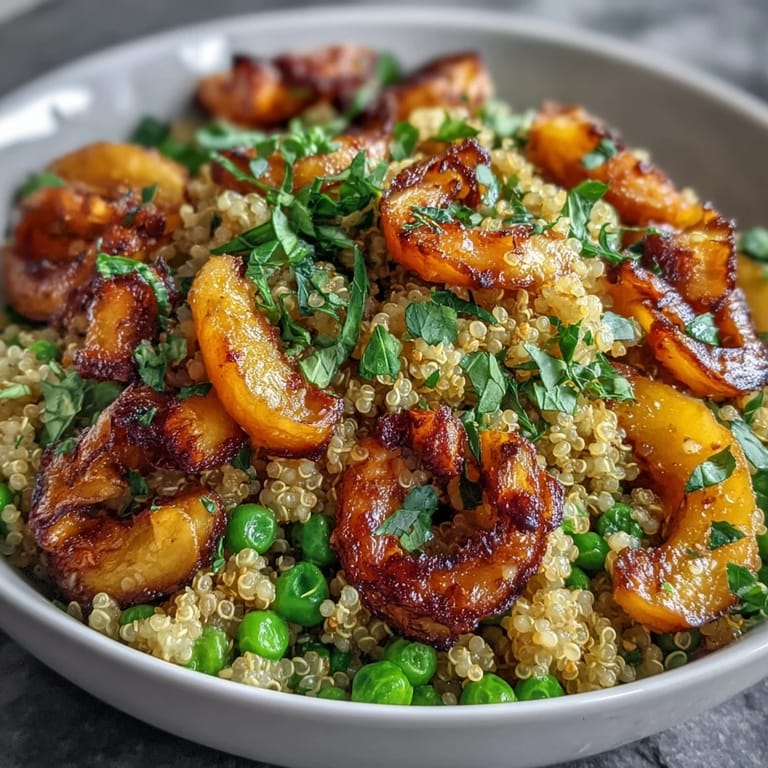
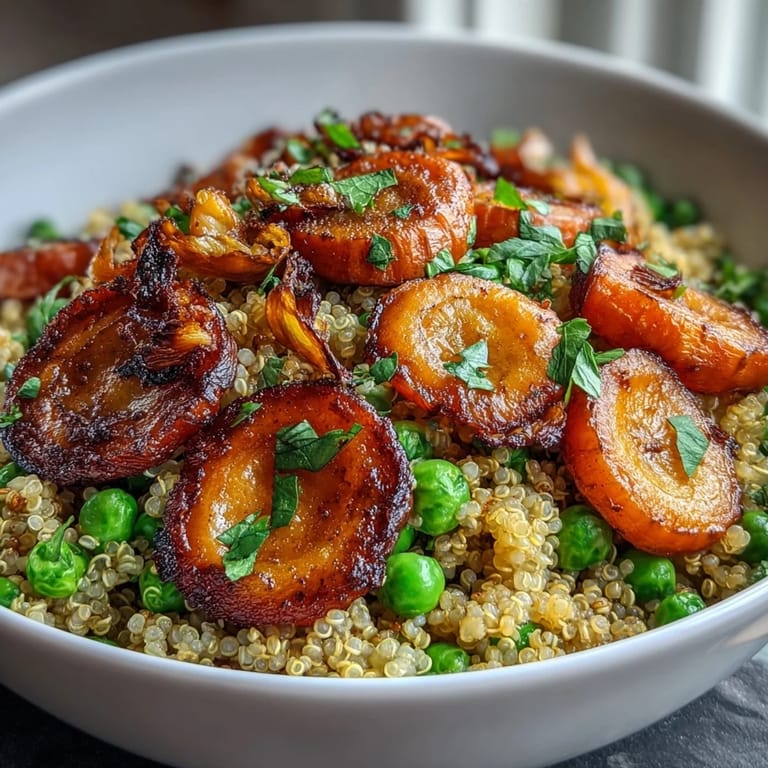
- Divide the fluffy quinoa among your bowls, then top each one with the roasted carrots and onion, the cooked peas, and a generous drizzle of that dressing. Everything should still be warm, which is when it tastes best.
- Finish with color and texture:
- Scatter parsley over each bowl, then add feta and pumpkin seeds if you're using them. Serve immediately while the quinoa is still warm and the vegetables haven't cooled down.
 Save
Save One evening my sister called while I was eating this, and I spent ten minutes describing the texture of the carrots and why the peas mattered, which is apparently the moment she knew I'd become someone who actually enjoys cooking. It shifted from obligation to genuine interest somewhere between trying to explain the dressing and eating the whole bowl without noticing.
Why Roasting Changes Everything
The moment those carrots and onions hit the 400-degree oven, their natural sugars wake up and caramelize instead of staying polite and mild. You'll notice the smell around minute 20, something sweet and almost nutty that fills the kitchen. By the time they come out, the edges are dark and crispy and the insides are soft enough to cut with the edge of a fork, which is exactly the texture contrast that makes this bowl feel complete instead of like a sad health situation.
The Dressing Is Actually the Star
That tiny amount of Dijon mustard and honey does something remarkable to olive oil and lemon juice, turning it from something you'd make at home to something that tastes purposeful. The mustard keeps the honey from making it sweet, and the honey keeps the mustard from being sharp, so they balance each other in a way that feels almost accidental. Drizzle it over warm quinoa and it soaks in completely, coating every grain instead of sitting on top like you didn't know what you were doing.
Making It Your Own Without Losing the Plot
This bowl works as a template that doesn't mind flexibility, which is when a recipe becomes actually useful instead of just instructions you follow. You could swap the carrots for roasted sweet potatoes or butternut squash if your market doesn't have good carrots that day, or add grilled chicken if you want protein that feels less like a decision and more like dinner. The dressing works with almost any vegetable that's been roasted, and the quinoa is patient enough to work with whatever you decide to put on top.
- Roasted chickpeas or white beans can replace the peas if you want to make it more filling.
- Try adding a fried egg on top if you want something richer and more substantial for breakfast.
- Crumbled goat cheese works if feta feels too strong or you want something creamier.
 Save
Save There's comfort in knowing that a bowl this thoughtful takes less time than ordering delivery, and that it tastes better than most things you'd pay money for. That's the kind of recipe that sticks around.
Recipe Questions
- → How do I ensure the quinoa is fluffy and not mushy?
Rinse quinoa thoroughly before cooking to remove bitterness. Use the correct water-to-quinoa ratio and avoid overcooking. Let it rest covered after cooking, then fluff gently with a fork.
- → Can I use fresh peas instead of frozen?
Yes, fresh peas work well. Steam them until just tender to maintain their bright color and sweetness, which complements the roasted carrots nicely.
- → What is the best way to roast carrots for this dish?
Slice carrots into uniform rounds and toss with olive oil, salt, and pepper. Roast at 400°F (200°C) for 25–30 minutes until tender and lightly caramelized, turning halfway for even cooking.
- → Can I make this bowl vegan-friendly?
Absolutely. Simply omit the feta cheese or replace it with a plant-based alternative to keep the dish vegan while preserving its texture and flavor.
- → What other garnishes can enhance this bowl?
Toasted pumpkin seeds add crunch, and fresh parsley adds brightness. You can also try roasted chickpeas for extra protein or substitute feta with nuts for additional texture.