 Save
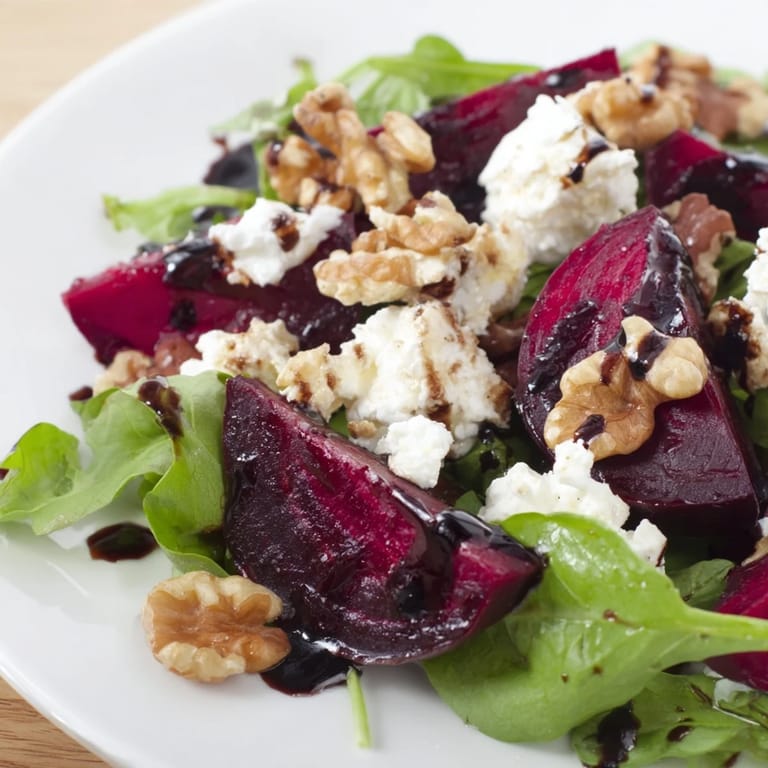
Save A friend once brought this salad to a dinner party, and I watched everyone at the table pause mid-conversation when they took their first bite. The warm roasted beets had just cooled to room temperature, their earthiness melting into the tang of the dressing, while the goat cheese created these little pockets of creaminess that felt almost luxurious. I spent the rest of the evening mentally deconstructing what made it work so well, and the next day I had my oven preheating. Now it's become one of those dishes I make when I want people to feel cared for without spending hours in the kitchen.
I remember assembling this for a holiday potluck during a particularly stressful season, and something about the ritual of arranging those jewel-toned beets on a bed of greens felt meditative. My hands were stained pink by the time I finished, and instead of being annoyed, I found myself smiling at the evidence of having made something real. One of my neighbors asked for the recipe right there, and that small moment shifted how I thought about bringing food to share.
Ingredients
- Beets (3 medium): Buy ones that still have a bit of stem attached, as they hold together better during roasting and peeling; the deep red varieties have the most intense flavor and color.
- Goat cheese (120g, crumbled): Room temperature goat cheese crumbles more evenly and tastes creamier than cold cheese straight from the fridge.
- Walnuts (60g, roughly chopped): The slight bitterness balances the beets perfectly, and a quick toast in a dry skillet brings out their nuttiness without adding any extra oil.
- Mixed salad greens (120g): Peppery arugula, earthy spinach, or a spring mix all work; choose whatever feels freshest at your market.
- Extra-virgin olive oil (3 tbsp): This is where quality matters; a good oil makes the dressing taste like you actually know what you're doing.
- Balsamic vinegar (1½ tbsp): Aged balsamic is thicker and sweeter, but regular works fine if it's what you have on hand.
- Dijon mustard (1 tsp): The emulsifier that brings the dressing together and adds a subtle sharpness.
- Honey (1 tsp): Just enough to round out the edges of the vinegar's acidity.
- Salt and freshly ground black pepper: Taste as you go; the beets are naturally sweet, so don't hold back on seasoning.
Tired of Takeout? 🥡
Get 10 meals you can make faster than delivery arrives. Seriously.
One email. No spam. Unsubscribe anytime.
Instructions
- Heat your oven and prep the beets:
- Preheat to 200°C (400°F) and wrap each beet individually in foil, creating little packets that trap steam inside. This steams the beets gently while the oven heat softens them, and they'll be done in 35–40 minutes.
- Roast until tender:
- Place the foil packets on a baking sheet and slide them in. You'll know they're ready when a knife pierces the thickest part without resistance; the skin should practically fall off when cooled slightly.
- Make the dressing:
- While the beets roast, whisk the olive oil, balsamic vinegar, mustard, and honey together in a small bowl until it looks glossy and emulsified. Add a pinch of salt and a crack of pepper, then taste and adjust.
- Peel and cut the beets:
- Once they're cool enough to handle, rub the skin away gently under cool running water—your fingers will stain, but this part is oddly satisfying. Cut them into wedges or cubes, whichever feels right to you.
- Assemble the salad:
- Arrange your greens on a platter or in a bowl, then scatter the warm beets, goat cheese, and toasted walnuts over top. Just before serving, drizzle the dressing over everything and gently toss, or leave it composed for a prettier presentation.
 Save
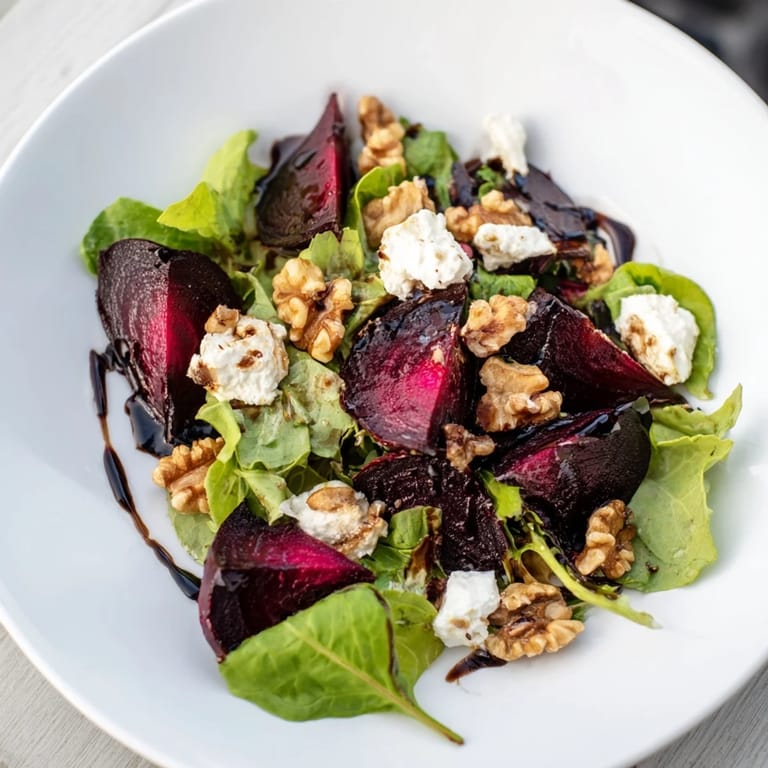
Save There's something almost ceremonial about the moment you peel a roasted beet and watch the deep color bloom across your hands and cutting board. It turned what could have been a quick weeknight salad into a small moment of care, and now whenever I make this, someone mentions how restaurant-quality it looks without being fussy.
Why This Salad Works
The magic here is all about contrast: warm against cool, earthy against sharp, creamy against crunchy. Roasted beets are naturally sweet, which sounds like it might clash with the tangy dressing, but that's exactly what makes them a perfect pair. The goat cheese acts as a bridge between the sweetness and the vinegar, while the walnuts add texture and a subtle bitterness that keeps everything from feeling too precious. It's a salad that respects each ingredient without pretending to be something it's not.
Timing and Make-Ahead Tips
One of the best things about this recipe is how flexible it is with your schedule. You can roast the beets up to two days ahead and keep them in the fridge, which means on the day you're serving, you're really just doing dressing and assembly. The walnuts can be toasted the morning of and stored in an airtight container, and the dressing comes together in about a minute whenever you're ready. I've made this salad for last-minute dinners and planned celebrations alike, and it's never let me down.
Variations Worth Trying
The structure of this salad is sturdy enough to handle improvisation. Some days I've switched the walnuts for pecans or pine nuts, and other times I've crumbled feta instead of goat cheese for a saltier, sharper flavor. You can add pomegranate seeds for extra sweetness and color, or a handful of fresh herbs like dill or mint if that's what's calling to you. There's even room to swap the vinaigrette for a red wine vinegar base or a sherry vinaigrette if you're in the mood for something different. The core of it—roasted beets, creamy cheese, crunchy nuts—stays the same, but everything else is negotiable.
- Toast the walnuts for 2–3 minutes in a dry skillet to deepen their flavor and add a subtle crunch that changes everything.
- Bring the goat cheese to room temperature before crumbling so it falls apart evenly instead of turning into little hard bits.
- If you're making this ahead, dress only the greens and keep the beets, cheese, and nuts separate until the last moment.
 Save
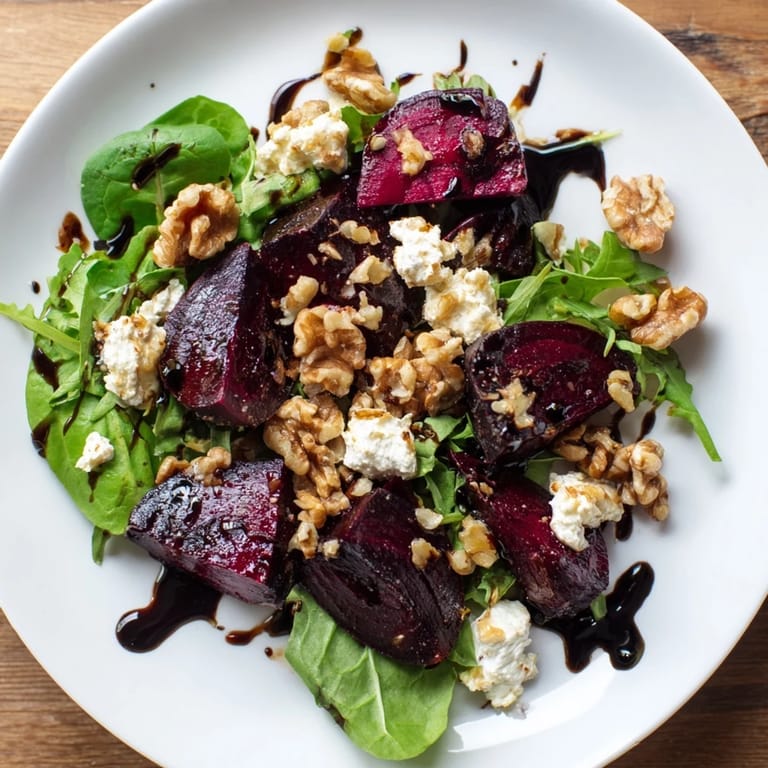
Save This salad has become my answer to the question of what to bring when I want to contribute something that feels thoughtful but isn't stressful. It's proof that simple ingredients treated with a little attention can taste like you care, which, in the end, is what cooking is really about.