 Save
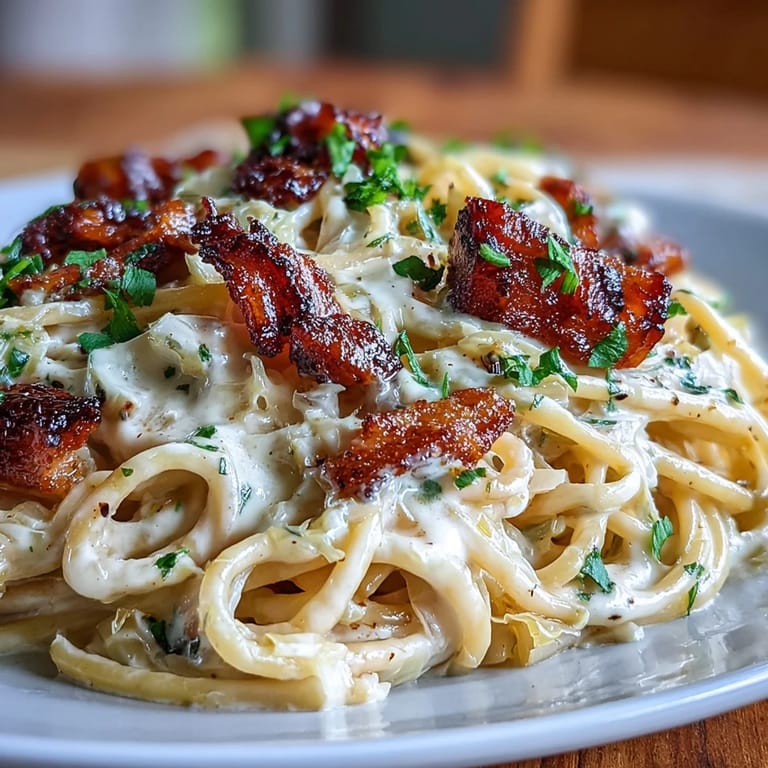
Save The first time I stumbled onto caramelized cabbage carbonara, it was one of those accidental triumphs that only a half-empty fridge can inspire. Rain pattered against the kitchen window as I stared down a lonely cabbage, wondering if it could survive a pasta night. A little coaxing on the stovetop, an extra swirl of butter, and I realized this humble vegetable could transform into something golden and rich. The aroma that filled my tiny apartment was both buttery and faintly smoky, clinging to my sweater long after dinner. Who knew cabbage could upstage even the most decadent pasta sauces?
One time, a friend dropped by unannounced, arms full of groceries and opinions about real carbonara. I set her to work whisking the eggs while we argued over Pecorino versus Parmesan, laughter echoing off the kitchen tiles. As the cabbage sizzled away, she admitted the scent reminded her of cozy trattorias—but this version tasted new and familiar all at once. The bowl was empty long before our debate was settled.
Ingredients
- Green cabbage: When thinly sliced and caramelized, it brings both sweetness and texture—I use the smaller, tighter heads for quicker cooking.
- Unsalted butter: My trick is to let it foam just slightly before adding veggies so everything browns, not burns.
- Olive oil: A splash keeps the butter from scorching and adds depth to the cabbage.
- Yellow onion (optional): If you want extra sweetness, finely slice it and let it mingle with the cabbage—my family prefers its subtle flavor but skip if you like your carbonara classic.
- Garlic: Only goes in at the very end to avoid burning—trust me on this one, the aroma alone will make you hungry.
- Spaghetti or linguine: Either works, but don’t forget to reserve some pasta water for the silkiest sauce.
- Egg yolks and whole egg: These create that luscious sauce—room temp eggs always combine more easily.
- Parmesan or Pecorino Romano: Grate it fresh for the best melt and salty kick—pre-grated just doesn’t blend the same.
- Freshly ground black pepper: Don’t skimp—the bite brings balance to the creaminess.
- Smoked paprika (optional): Learned from experimenting—imparts depth and smoky warmth without meat, just use a little.
- Salt: To taste, but start gently as cheese brings plenty of seasoning.
- Extra cheese and pepper: Always finish with a flourish at the table—it’s the final touch that gets everyone excited to dig in.
Tired of Takeout? 🥡
Get 10 meals you can make faster than delivery arrives. Seriously.
One email. No spam. Unsubscribe anytime.
Instructions
- Get the pasta going:
- Fill a big pot with salted water and set it to boil, then cook your noodles until just tender. Scoop out a mugful of pasta water before draining, as you’ll need it for the sauce magic.
- Caramelize the cabbage:
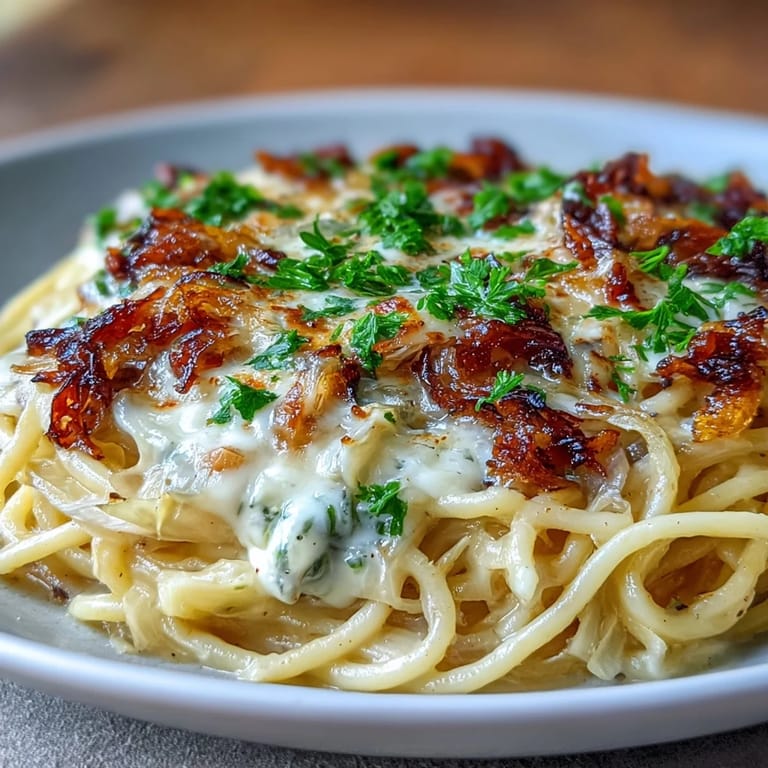
- In a roomy skillet, melt butter and olive oil until foamy, then tumble in the cabbage (and onion if you like). Stir every few minutes—after 15-20 minutes, the cabbage will smell toasty and look deeply golden.
- Add the garlic:
- Once the cabbage is caramelized, toss in the minced garlic and stir until its fragrance hits—usually just a minute or two, no longer or it will turn bitter.
- Make the eggy sauce:
- Whisk together the egg yolks, whole egg, cheese, pepper, and smoked paprika in a medium bowl. It should look golden and thick, almost like custard.
- Pasta meets cabbage:
- Transfer the hot, drained pasta right into the skillet with the cabbage, off the heat. Quickly pour in the egg and cheese mixture, tossing continuously so the heat of the pasta cooks it gently—drizzle in splashes of reserved pasta water to make everything creamy.
- Finish and serve:
- Taste for seasoning and tweak with salt and extra pepper. Heap into bowls and scatter more cheese and black pepper over the top before serving immediately.
 Save
Save I’ll never forget serving this at a winter solstice dinner when candlelight and laughter replaced the early evening gloom. Watching friends gather around, eagerly twirling forks and going back for seconds, I felt like I’d discovered a new tradition—one built on warmth, comfort, and a shared surprise at how something simple could turn so luxurious.
How to Time Everything Just Right
Over the years, I’ve learned to start caramelizing the cabbage before dropping the pasta; it always takes longer than you think to reach that perfect golden brown. If the pasta is ready too soon, simply toss it with a splash of oil to keep it from sticking, then focus on those bubbling cabbage edges that signal it’s ready. Cooking should feel relaxed, not like a race against the clock.
Switch It Up, Stay Satisfying
Some nights, I swap smoked paprika for a pinch of crushed red pepper or add crispy shallots on top for crunch—the base of caramelized cabbage pairs beautifully with all sorts of little extras. I’ve even tried it with whole wheat pasta and a grating of nutty Comté for a different angle. The fun is in making it your own each time.
What I Wish I Knew Sooner
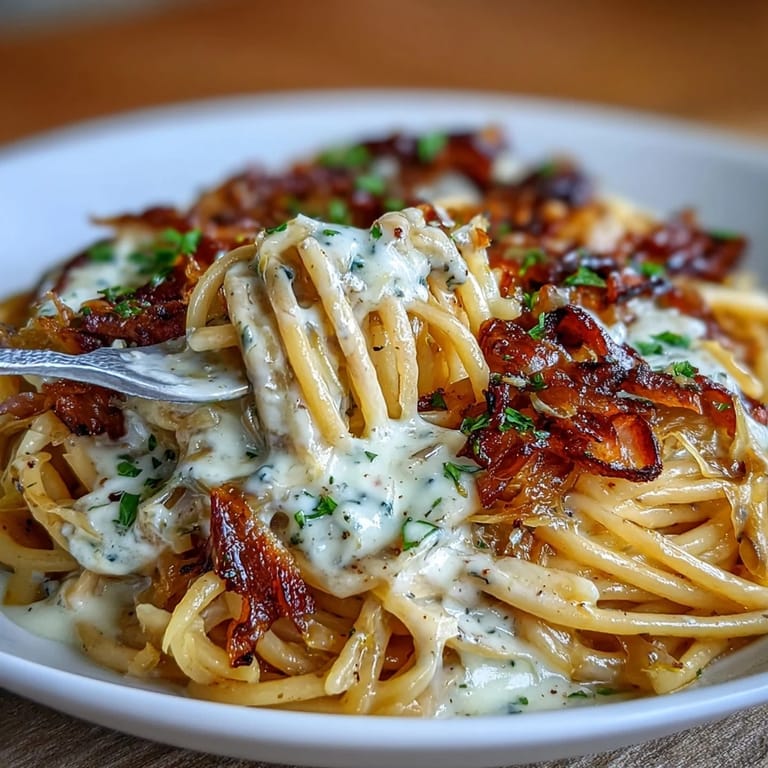
One common pitfall: rushing the cabbage step. Letting it go low and slow brings out all the hidden sweetness and creates those addictively crispy bits, which are the best part.
- Don’t be tempted to crowd the pan or you’ll end up steaming rather than caramelizing.
- If the sauce looks too thick, add more pasta water, a tablespoon at a time—it loosens up beautifully.
- Grate the cheese yourself; pre-grated never gives you that same creaminess.
 Save
Save May this caramelized cabbage carbonara bring you the kind of quiet weeknight joy or festive togetherness it’s brought to my table. Here’s to finding the extraordinary in the everyday, one twirl of pasta at a time.
Recipe Questions
- → What type of pasta works best?
Spaghetti or linguine is ideal, but any long, sturdy pasta pairs well with the rich sauce and cabbage.
- → How can I achieve deep caramelization on cabbage?
Cook sliced cabbage over medium heat with butter and oil, stirring occasionally, until deeply golden—around 15-20 minutes.
- → Is the sauce creamy without cream?
Yes, incorporating egg yolks with cheese and pasta water creates a naturally creamy, luxurious sauce.
- → What are some possible garnishes?
Extra grated cheese, a dusting of black pepper, and crispy shallots or vegan bacon bits add texture and flavor.
- → How can I make this dish gluten-free?
Simply swap in gluten-free pasta and ensure cheese used fits your dietary needs.