 Save
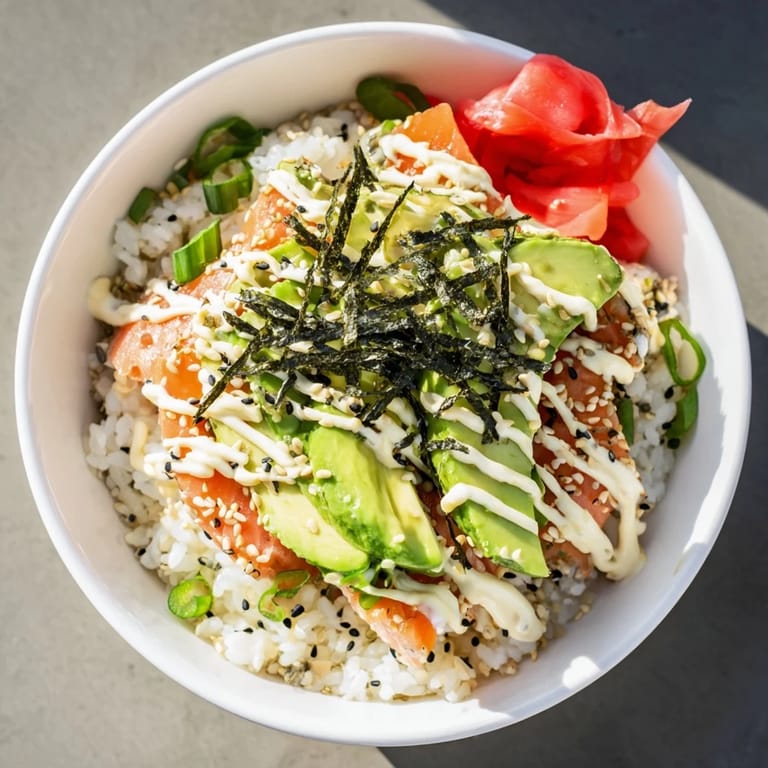
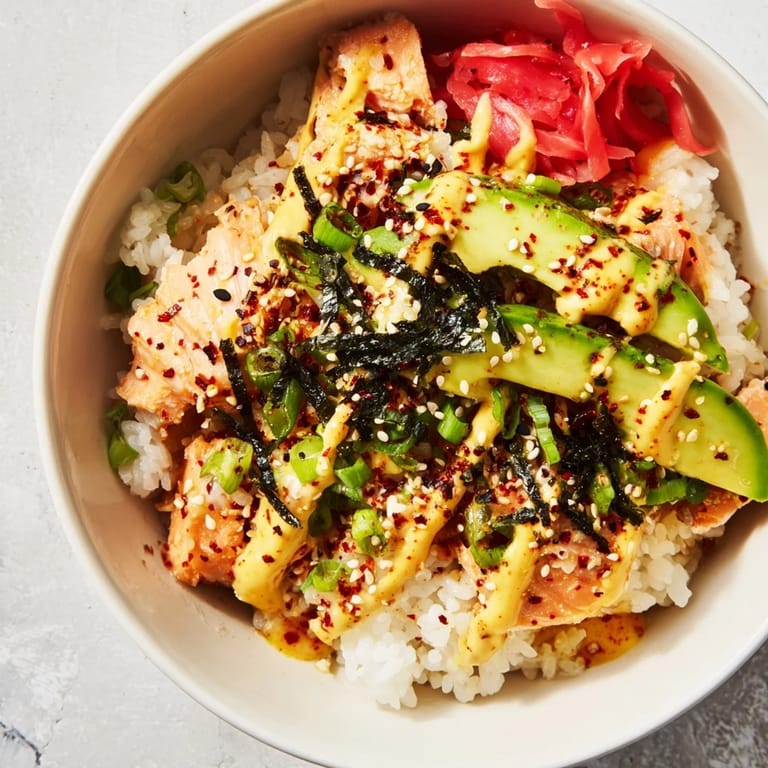
Save I discovered this bowl on my phone at midnight, scrolling through a endless feed, and something about its simplicity stopped me cold. The salmon flaked into perfect little clouds, the rice glistening with sesame oil, and that creamy avocado nestled in just so—it looked like lunch on a good day, the kind where you actually take time for yourself. I made it the next morning with whatever salmon I had left over, and fifteen minutes later I was sitting at my kitchen counter, genuinely surprised at how the flavors played together. It became my go-to answer when I'm hungry but don't want to think too hard.
My friend came over while I was testing variations, and she watched me drizzle the mayo in lazy zigzags before mixing. She borrowed the recipe that same afternoon, and now it's her emergency dinner when she's tired after work—something she texts me about with a photo of her own version. That's when I knew this wasn't just easy; it was the kind of easy that sticks around.
Ingredients
- Cooked salmon fillet (about 170 g / 6 oz): Use leftover salmon if you have it, or buy a small portion—the flaking is crucial because it mixes seamlessly and creates pockets of flavor throughout the rice.
- Cooked white rice, 2 cups (preferably leftover and chilled): Cold rice works best because it won't turn mushy; warm rice can clump, so if fresh, spread it out to cool slightly first.
- Soy sauce, 1 tablespoon: This is your seasoning backbone—it ties everything together with umami depth.
- Sesame oil, 1 teaspoon: A little goes a long way; toasted sesame oil has an almost nutty whisper that changes the whole bowl.
- Japanese mayonnaise (e.g., Kewpie), 1 tablespoon: Kewpie is richer and creamier than regular mayo, which matters here—it's the difference between decent and craveable.
- Sriracha or chili sauce, 1 teaspoon (optional): Heat is personal; start small because you can always drizzle more, but you can't take it back.
- Avocado, 1, sliced: Add this at the last moment to prevent browning, and choose one that gives slightly to pressure—not hard, not mushy.
- Roasted seaweed (nori), 1 sheet, cut into squares: These little squares are your scoops; they add briny crunch and change how you eat the bowl.
- Toasted sesame seeds, 1 teaspoon: Toast them yourself if you have time—the difference is subtle but real.
- Spring onions, 2, thinly sliced: They add a fresh bite that cuts through the richness, so don't skip them.
- Pickled ginger (optional): A small amount provides heat and palate-cleansing sharpness.
- Lemon or lime wedges (optional): Squeeze these over the top just before eating for brightness.
Tired of Takeout? 🥡
Get 10 meals you can make faster than delivery arrives. Seriously.
One email. No spam. Unsubscribe anytime.
Instructions
- Flake the salmon:
- Place your cooked salmon in a microwave-safe bowl and use a fork to break it into small, delicate pieces—you're aiming for texture, not paste, so work gently.
- Build the layers:
- Pile your rice directly on top of the salmon, keeping things a bit loose rather than pressing down. If the rice is fresh or room temperature, sprinkle a tiny bit of water over it first so reheating won't turn it dry.
- Warm it through:
- Cover the bowl with a microwave-safe plate or plastic wrap and microwave on high for 1 to 2 minutes—just until you can feel warmth through the bowl when you touch it. The goal is gentle warmth, not hot.
- Season the base:
- Pour the soy sauce and sesame oil straight into the warm bowl and fold everything together with your fork, making sure the seasoning coats the rice and salmon evenly. This is where the dish starts tasting like itself.
- Add creaminess:
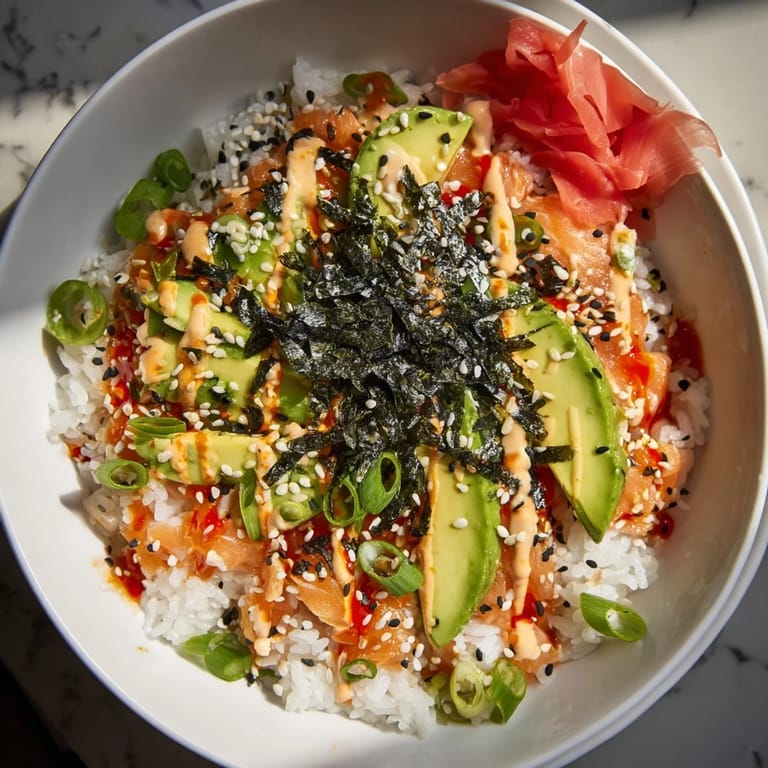
- Drizzle the mayonnaise in loose lines across the top, then add sriracha if you're using it—a light hand here means you can always add more heat later.
- Dress with fresh toppings:
- Arrange the avocado slices, scattered spring onions, sesame seeds, and pickled ginger on and around the bowl, treating it like you're plating something that matters.
- Finish and serve:
- Set the nori squares and citrus wedges beside the bowl so you can use them as you eat—squeeze the lemon into your mouth between bites if you like, or use the seaweed as an edible spoon.
 Save
Save There's something almost meditative about watching the nori squares soften slightly as they pick up moisture from the warm rice and salmon, then crisp up again in your mouth. It's a small thing, but these are the moments that turn a bowl of food into something you actually want to eat.
Variations That Work
Once you have the basic rhythm down, this bowl becomes a canvas for whatever you have on hand or whatever mood strikes you. I've made it with smoked salmon when regular cooked salmon wasn't around, and the deeper flavor actually made it feel more sophisticated without adding any extra steps. Brown rice works beautifully if you prefer the nuttier taste and extra fiber, though it does take longer to cook, so plan accordingly. Some days I add cucumber ribbons or shredded carrots for crunch, other times I'll throw in a spoonful of kimchi for funk and heat—the bowl always absorbs whatever you give it and asks for nothing in return.
Swaps and Dietary Tweaks
If you're avoiding gluten, tamari replaces soy sauce without any noticeable change in flavor—in fact, some people prefer its slightly smoother taste. Canned salmon works in a pinch, though you'll want to drain it well and check for small bones, which you can either remove or leave in depending on how you feel about them. For those sensitive to eggs, there are mayo alternatives that replicate the creaminess, or you could thin some tahini with a bit of lime juice for a different but equally satisfying richness.
Why This Matters
What makes this bowl special isn't technique or fancy ingredients—it's the permission it gives you to eat something that feels thoughtful without the stress of a recipe that demands precision. The seaweed, the sesame oil, the flaked salmon: each element invites you to slow down for fifteen minutes, which is sometimes the most nourishing thing a meal can offer.
- Keep your sesame oil in a cool, dark place because rancid sesame oil tastes like sadness.
- Buy nori from an Asian grocery if possible—it's usually fresher and cheaper than the mainstream supermarket version.
- If avocado is expensive where you are, skip it without guilt; the bowl is complete without it.
 Save
Save This is the kind of meal that reminds you that eating well doesn't require hours or an ingredient list as long as your arm. Make it when you need comfort, make it when you need speed, and make it often enough that your favorite version becomes automatic.
Recipe Questions
- → Can I use brown rice instead of white rice?
Yes, brown rice works well and adds extra fiber and a nuttier flavor to the bowl.
- → What type of salmon is best for this dish?
Cooked salmon fillets, whether freshly cooked, smoked, or canned, can all be used depending on preference and convenience.
- → How can I make this dish gluten-free?
Substitute soy sauce with tamari or a gluten-free alternative to keep it gluten-free.
- → Are there alternatives to Japanese mayonnaise?
Yes, you can use regular mayo or a vegan mayo alternative if preferred.
- → Can I add extra vegetables to this bowl?
Absolutely, options like kimchi, cucumber, or shredded carrots complement the flavors nicely.