 Save
Save There's something about the smell of butter and flour toasting in a pan that stops me mid-thought every single time. I learned to make mac and cheese properly on a Tuesday afternoon when my roommate declared that the boxed version was ruining her life, and honestly, she wasn't wrong. That first batch—when I whisked warm milk into the roux and watched it transform into glossy, clinging sauce—felt like unlocking a secret. Now it's the dish I reach for when I need comfort or when friends show up hungry and unannounced.
I made this for my sister's book club once, and she still brings it up. Everyone arrived skeptical—mac and cheese for adults?—but by dessert time, three people were asking for the recipe. The Gruyère is what does it; it adds this subtle nuttiness that makes people pause and ask what's different. That moment when someone takes a second bite and really *notices* is worth every minute of stirring.
Ingredients
- 350 g elbow macaroni: Cook it one or two minutes under the package time so it stays firm and won't turn mushy when combined with the hot sauce.
- 3 tbsp unsalted butter and 3 tbsp flour: This is your roux base, the foundation that thickens everything; don't skip the slow cooking or it'll taste raw.
- 2 cups whole milk and 1 cup heavy cream: Warm the milk first—it whisks in smoothly and prevents lumps.
- 200 g sharp cheddar, 75 g Gruyère, and 50 g Parmesan: This trio is non-negotiable; cheddar gives punch, Gruyère brings complexity, Parmesan adds saltiness and depth.
- Dijon mustard, garlic powder, onion powder, salt, pepper, and cayenne: These aren't optional flavor add-ons; they're what prevent the dish from tasting like melted cheese soup.
- Panko breadcrumbs, melted butter, and 2 tbsp Parmesan (for baking): This topping becomes golden, crunchy, and irresistible.
Tired of Takeout? 🥡
Get 10 meals you can make faster than delivery arrives. Seriously.
One email. No spam. Unsubscribe anytime.
Instructions
- Start the oven and pasta water:
- Preheat to 200°C (400°F) if you're planning to bake, and grease your dish. Get salted water boiling in a large pot—this is the foundation for everything that follows.
- Cook the macaroni:
- Add pasta and watch it carefully; you want it just shy of tender, about 1–2 minutes under package time. Drain and set aside on a clean plate.
- Build the roux:
- Melt butter over medium heat, then whisk in flour and stir constantly for 1–2 minutes until it smells toasted and looks lightly golden. Don't let it brown or it will taste bitter.
- Make the béchamel:
- Slowly pour in warm milk and cream while whisking; take your time here and you won't get lumps. Stir until it thickens into a smooth sauce, about 4–5 minutes.
- Season the sauce:
- Turn heat to low and add mustard, garlic powder, onion powder, salt, pepper, and cayenne. Taste and adjust—this is where personality happens.
- Melt in the cheeses:
- Add each cheese gradually, stirring until completely melted and silky before adding the next. Rushing this step makes the sauce grainy.
- Combine pasta and sauce:
- Fold in the cooked macaroni gently so everything gets coated evenly. The warmth keeps everything creamy and loose.
- Finish stovetop or bake:
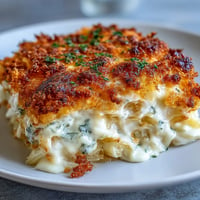
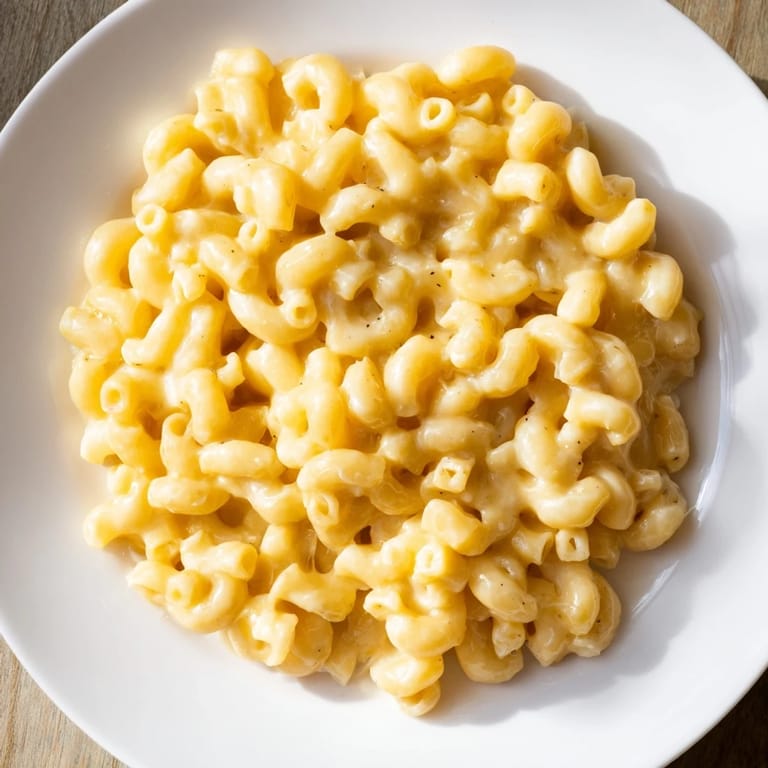
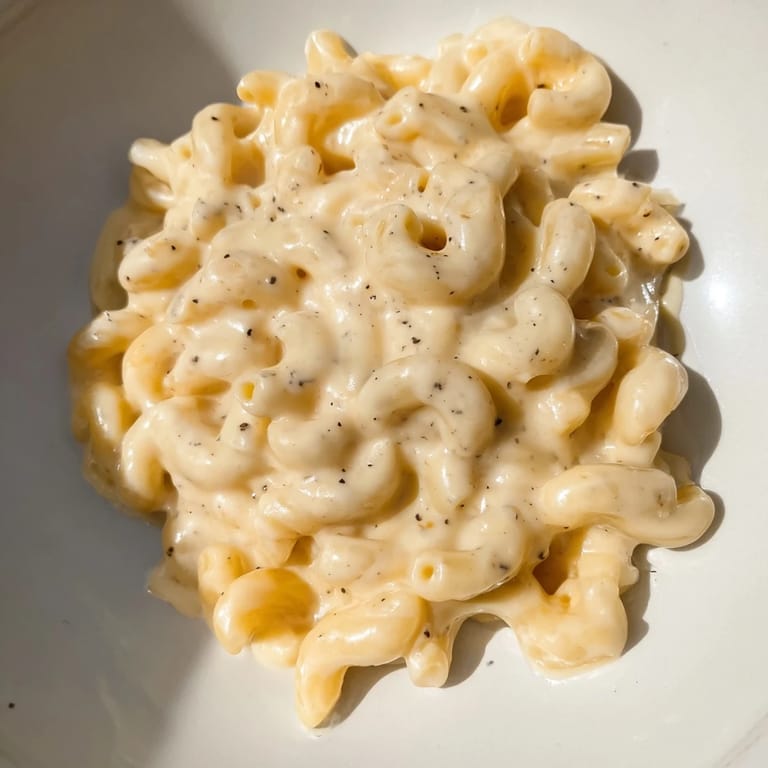
- For stovetop, serve immediately in bowls with extra cheese on top. For baked, pour into the prepared dish, top with the panko mixture, and bake 20–25 minutes until the top is golden and the edges bubble slightly.
 Save
Save There's a particular silence that falls over people eating great mac and cheese—the kind where conversation pauses because they're too focused on the taste. It stopped being just food for me the first time someone said it reminded them of their grandmother's cooking, even though their grandmother made it completely differently. That's when I realized it wasn't about following a recipe perfectly; it was about making something that feels like home.
Why Cheese Matters More Than You Think
The entire dish lives or dies based on your cheese choice. Sharp cheddar alone tastes one-dimensional; Gruyère alone feels too sophisticated. Parmesan alone is too salty. Together, they create something that tastes intentional and complex. I spent an embarrassing amount of time in the cheese aisle learning this, comparing labels and tasting samples like a sommelier, until it clicked. Now I can tell you which cheeses will ruin your dish and which ones will make people ask for thirds.
Stovetop Versus Oven: A Choice That Matters
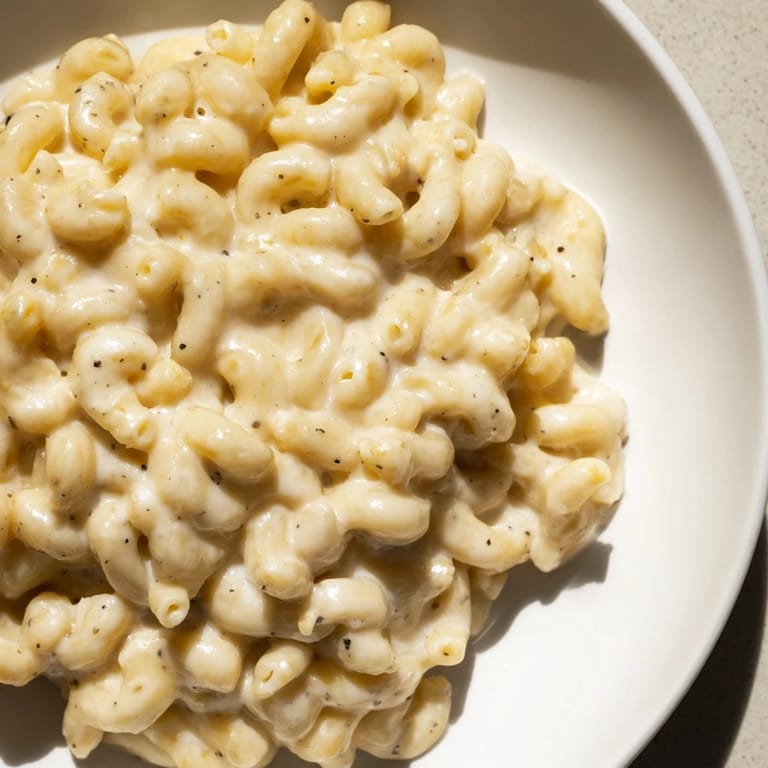
The stovetop version is for when you want creamy, almost pourable mac and cheese—serve it right away while it's still silky and loose. The baked version takes 25 extra minutes but gives you that crispy, breadcrumb top and set edges that are satisfying to eat with a spoon. I usually make the stovetop version on weeknights and save the baked version for when I'm cooking for company or when I have the headspace to actually use my oven.
Make It Your Own
The base recipe is delicious on its own, but it also accepts additions gracefully. Crispy bacon turns it into something indulgent; sautéed mushrooms make it earthier; blanched broccoli sneaks in vegetables without anyone objecting. I've added fresh thyme once and sharp smoked paprika another time, and both times the dish stayed balanced and delicious.
- If you prefer milder cheese flavor, swap Gruyère for Monterey Jack or even mozzarella.
- For a sharper edge, use extra-mature cheddar and add a tiny bit more mustard.
- Pair it with a crisp green salad and Chardonnay if you want to feel fancy on a Tuesday.
 Save
Save This recipe has become my answer to almost any cooking question that starts with "I don't know what to make." It's simple enough to feel achievable, but detailed enough that you'll feel proud of the result. Make it once and you'll understand why it's stayed on dinner tables for generations.
Recipe Questions
- → What pasta is best for this dish?
Elbow macaroni is ideal as it holds the sauce well and cooks to a tender yet firm texture.
- → How is the béchamel sauce prepared?
Butter and flour are cooked into a roux, then warm milk and cream are whisked in and simmered until thickened, creating a smooth creamy base.
- → Can I bake this dish instead of stovetop serving?
Yes, baking with a panko and Parmesan topping gives a golden, crunchy crust enhancing texture and flavor.
- → Which cheeses are used and why?
A mix of sharp cheddar, Gruyère, and Parmesan provides a balance of richness, meltability, and sharpness for complex flavor.
- → Can this dish be customized with additional ingredients?
Definitely, additions like cooked bacon, sautéed mushrooms, or blanched broccoli add texture and flavor variation.
- → How do spices influence the flavor?
Dijon mustard, garlic and onion powders, salt, pepper, and optional cayenne add subtle zest and depth to the creamy sauce.