 Save
Save There's something magical about sourdough pizza dough that doesn't reveal itself until you bite into it—that perfect balance of crispy crust and chewy interior that only time and wild yeast can create. My first successful batch happened almost by accident when I left my starter feeding schedule loose over a weekend and decided to just see what would happen with a longer ferment. The resulting crust had this incredible depth of flavor that store-bought dough could never touch, and I've been chasing that same magic ever since.
I made this for my neighbor one Saturday evening after she mentioned offhand that she'd never had homemade pizza, and watching her face when she bit into a slice still makes me smile. She sat on my porch with grease on her chin, eyes closed, and said it tasted like the pizzerias in her family's hometown in Naples. That's when I realized this dough wasn't just about technique—it was about creating a moment worth remembering.
Ingredients
- Bread flour, 500 g: This higher protein content builds structure and chewiness that all-purpose flour can't quite match, though honestly both work if that's what you have.
- Water, 325 g at room temperature: Cold water will slow fermentation, so letting it sit on the counter matters more than you'd think.
- Active sourdough starter, 100 g: This is your leavening agent and flavor powerhouse—it needs to be bubbly and alive, not sluggish or just-fed.
- Fine sea salt, 12 g: Salt added after the autolyse prevents gluten breakdown and controls fermentation speed in ways that feel almost scientific.
- Olive oil, 15 g: Optional, but it creates a softer, more tender crumb if you prefer that to pure crispness.
Tired of Takeout? 🥡
Get 10 meals you can make faster than delivery arrives. Seriously.
One email. No spam. Unsubscribe anytime.
Instructions
- Mix flour and water, then wait:
- Combine flour and water in a large bowl and stir until there are no dry streaks—you'll have a shaggy, almost rough dough. Cover it and let it rest for 30 minutes while the flour hydrates fully; this autolyse step is what makes the dough easier to work with later.
- Bring the starter and salt into the mix:
- Add your bubbly starter and salt to the bowl and mix by hand or machine until everything is incorporated into a sticky dough. The dough will feel wet and a bit chaotic at this point, which is exactly what you want.
- Develop the gluten through kneading or folding:
- Knead for 5 to 7 minutes by machine until the dough becomes smooth and elastic, or use the gentler stretch-and-fold method every 30 minutes for 2 hours (doing 4 folds total). The stretch-and-fold method is less aggressive and lets the sourdough culture work quietly in the background.
- Let bulk fermentation happen:
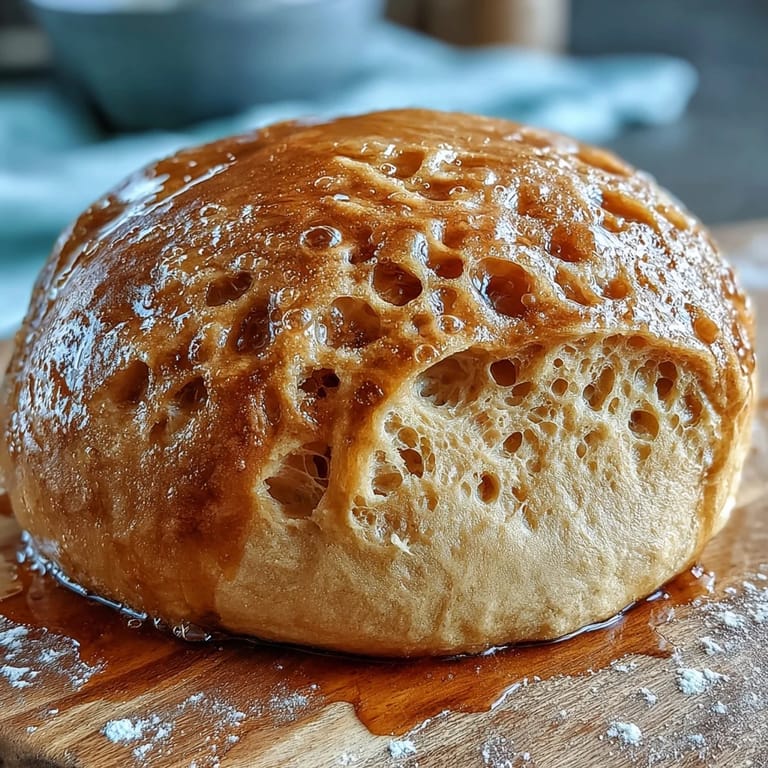
- Cover the bowl and watch as the dough rises at room temperature for 6 to 8 hours until it's roughly doubled and covered in visible bubbles. You're looking for that moment when it's clearly risen but not so much that it's collapsing under its own weight.
- Divide and shape into balls:
- Turn the dough out onto a lightly floured surface and divide it in half with a bench scraper or knife. Shape each half into a tight ball by gently pulling the surface toward the center, rotating as you go, which builds surface tension.
- Let the shaped dough relax:
- Place the balls on a tray, cover them loosely, and rest for 1 to 2 hours at room temperature, or move them to the refrigerator for up to 24 hours if you want even deeper flavor and more flexibility with timing. The cold ferment is a secret weapon for complexity.
- Get your oven screaming hot:
- Preheat your oven as high as it goes—ideally 475 to 500°F—with a pizza stone or steel inside for at least 30 minutes so it's truly blazing. This initial blast of heat is what creates that crispy crust before the interior has time to dry out.
- Stretch and top:
- Take one dough ball and gently stretch it into a 12-inch round, working from the center outward and letting gravity help. Add your toppings, being careful not to overload or the crust won't crisp properly.
- Bake until golden:
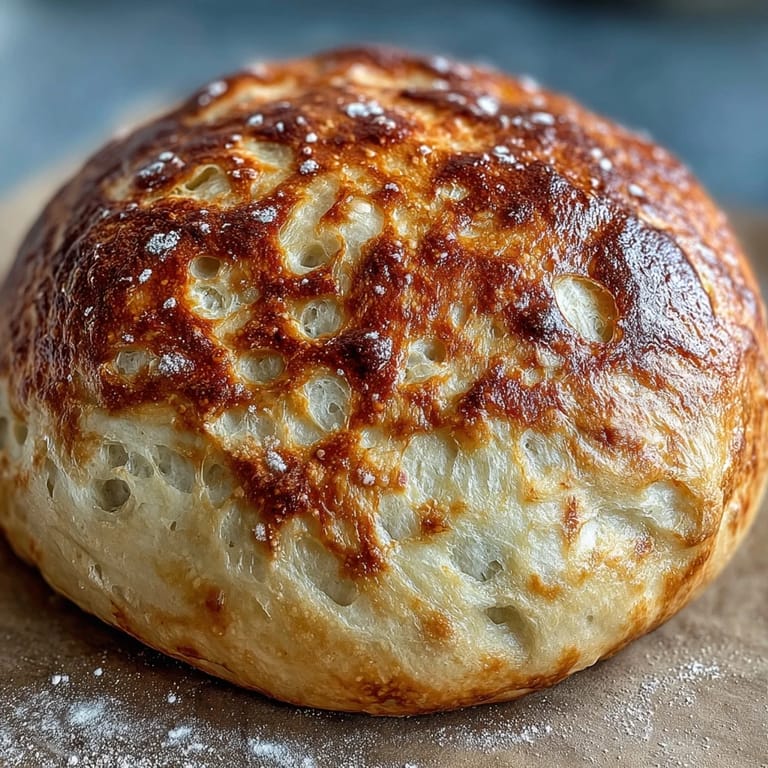
- Transfer the pizza to the hot stone or steel and bake for 10 to 15 minutes until the crust is puffed, golden, and the edges have darkened to a rich brown. You'll see the bottom start to develop color and hear a subtle crackle as the moisture leaves the crust.
 Save
Save One winter evening, I realized my dough was ready to shape right when unexpected guests arrived, so I'd just pulled it from the warm fridge. Instead of panicking, I stretched the cold dough extra gently and the texture turned out impossibly open and tender—a happy accident that taught me that timing flexibility is actually built into this recipe's DNA. Now I plan my pizza nights around whatever's happening that week, and it works every single time.
Why Long Fermentation Changes Everything
Most people think pizza dough is simple because it has so few ingredients, but the magic happens in the waiting, not the mixing. The wild yeasts in your sourdough starter work slowly through all those hours, breaking down gluten, developing organic acids that create that distinctive tangy flavor, and building a texture that's somehow both light and substantial. By the time you shape it, the dough has already become something far more interesting than it was on day one.
Understanding Your Starter's Mood
Your sourdough starter is a living thing with its own personality, and it will tell you exactly what it needs if you pay attention. An active starter should smell pleasantly yeasty and tangy with visible bubbles running through it, and it should roughly double in size within 4 to 8 hours of feeding. If yours seems sluggish or smells off, give it a few days of regular feeding at room temperature to perk it back up before you use it for pizza dough.
The Science of Crust Texture
The difference between a dense crust and an open, bubbly one comes down to fermentation length and how much the gluten network has developed. A longer, slower fermentation at cool temperatures allows the dough to relax while the yeast keeps working, creating larger gas pockets that expand beautifully in the oven's heat. This is also why people swear by cold fermentation—the cool temperature slows yeast activity just enough to keep you from ending up with an over-proofed, flat mess, while still building all that flavor complexity.
- If your dough feels sticky after mixing, resist the urge to add more flour; it will become more manageable as gluten develops.
- The stretch-and-fold method is more forgiving than kneading if you're nervous about working with wet dough.
- Always keep your workspace lightly floured, not drenched, or you'll end up with a crusty exterior layer instead of a smooth surface.
 Save
Save Once you've made sourdough pizza dough, you'll understand why people talk about it with such reverence—it's genuinely transformative. The combination of patience, good ingredients, and wild fermentation creates something that tastes handmade in all the best ways.
Recipe Questions
- → What type of flour is best for this dough?
Bread flour is ideal for its higher protein content which helps develop gluten, contributing to chewiness and structure. All-purpose flour can be used but yields a softer crust.
- → How does cold fermentation affect the dough?
Refrigerating the dough for up to 48 hours deepens flavor and improves texture, resulting in a better crust with more complexity.
- → Can olive oil be omitted?
Olive oil is optional and adds softness to the dough, but leaving it out won't hinder the basic texture or rise of the dough.
- → What is the best way to shape the dough balls?
After dividing, form tight balls on a floured surface to help with even rising and maintain shape during baking.
- → What oven temperature ensures optimal baking?
Preheating the oven with a pizza stone or steel to 475–500°F (250–260°C) delivers a golden, crisp crust with proper puff and texture.
- → How important is an active sourdough starter?
Using a bubbly, active starter is key for good fermentation, rise, and flavor development throughout the dough.