 Save
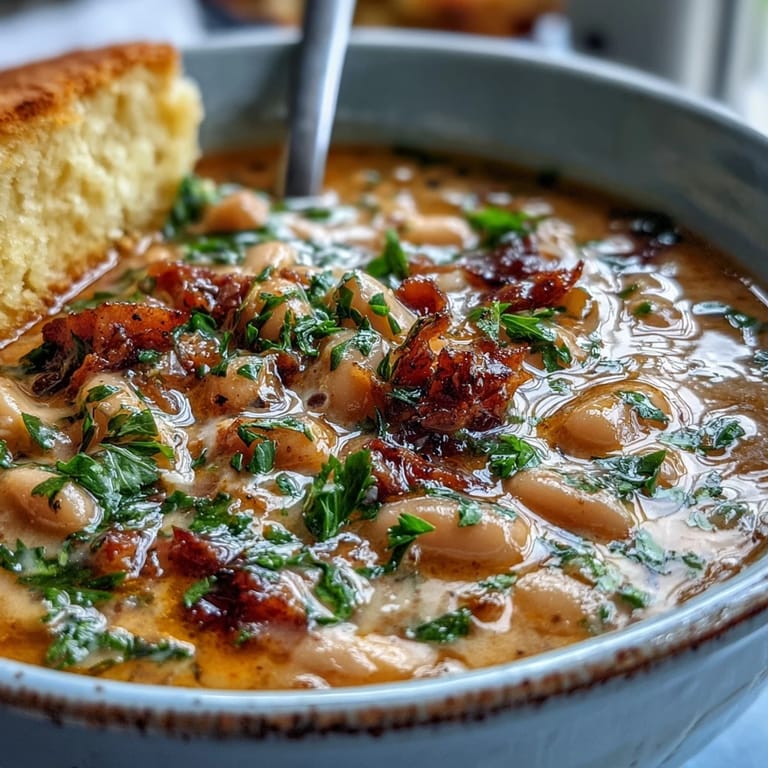
Save There's something about the smell of a ham hock breaking down in a pot that makes a kitchen feel lived-in and warm. My grandmother used to make this soup on Sundays, and I'd sit at her kitchen table watching the beans transform from hard little spheres into something creamy and tender. Years later, I realized I was chasing that exact moment—not just the taste, but the feeling of time slowing down while something humble becomes deeply nourishing. This is the soup that taught me patience tastes better than shortcuts.
I made this for my neighbor last winter when she was recovering from surgery, and watching her close her eyes after that first spoonful reminded me why food matters. She asked for the recipe, which I didn't have written down, so I just described it over coffee while she listened with this peaceful expression. That bowl of soup and slice of cornbread became a small bridge between us, and now whenever I make it, I think of her kitchen and that quiet afternoon.
Ingredients
- Smoked ham hock (about 1 lb / 450 g): This is the soul of the soup—don't skip it or substitute lightly, as it builds the savory foundation that makes everything else sing.
- Dried white beans (1 lb / 450 g, soaked overnight and drained): Soaking isn't just tradition; it cuts cooking time and helps beans cook evenly without falling apart.
- Low-sodium chicken or vegetable broth (8 cups / 2 L): Go for quality here since the broth becomes the body of the soup and deserves respect.
- Yellow onion, carrots, and celery (1 large onion, 2 carrots, 2 stalks): This trio—the holy mirepoix—builds flavor depth in those first five minutes and teaches you a cornerstone of good cooking.
- Garlic cloves (3, minced): Added after the vegetables soften so it perfumes the pot without burning.
- Bay leaves (2), dried thyme (1 tsp), smoked paprika (1/2 tsp), black pepper (1/2 tsp): These seasonings work quietly together to create complexity without announcing themselves loudly.
- Fresh parsley (2 tbsp, chopped): Stirred in at the end, it brings a bright note that cuts through the richness and makes the soup feel finished.
- Yellow cornmeal (1 cup / 150 g) and all-purpose flour (1 cup / 125 g): The cornmeal gives authentic texture and slight sweetness while the flour provides structure for tender crumb.
- Granulated sugar (1/4 cup / 50 g), baking powder (1 tbsp), salt (1/2 tsp): Don't skip the sugar—it's what makes cornbread taste like cornbread, not just corn bread.
- Whole milk (1 cup / 240 ml), eggs (2 large), unsalted butter (1/4 cup / 60 g, melted): These ingredients create a tender crumb and golden crust when you resist the urge to overmix.
Tired of Takeout? 🥡
Get 10 meals you can make faster than delivery arrives. Seriously.
One email. No spam. Unsubscribe anytime.
Instructions
- Build the flavor base:
- Heat olive oil in your Dutch oven over medium heat, then add the diced onion, carrots, and celery. Let them soften for five minutes until they're fragrant and the onion turns translucent—this is when you know they're releasing their sweetness. Add the minced garlic and cook for just one more minute, stirring constantly so it doesn't brown.
- Combine everything for the long simmer:
- Add your drained beans, ham hock, bay leaves, thyme, black pepper, and smoked paprika to the pot, then pour in the broth and bring the whole thing to a boil. Once it's bubbling, reduce the heat to low, cover it, and let it do its work for about two hours, giving it a stir every thirty minutes or so. You'll know it's done when the beans are creamy inside and the ham hock meat is practically falling off the bone.
- Finish the soup:
- Fish out the ham hock, let it cool slightly, then shred all that tender meat and discard the skin and bone before returning it to the pot. Remove the bay leaves, taste for salt, and add what you need—this is crucial since salt levels shift as the broth reduces. If you want the soup thicker, simmer it uncovered for ten to fifteen minutes, then stir in the fresh parsley right before serving.
- Prepare the cornbread stage:
- While the soup simmers, preheat your oven to 400°F (200°C) and grease an 8-inch square baking dish generously. In a large bowl, whisk together the cornmeal, flour, sugar, baking powder, and salt so everything is evenly distributed, then in another bowl whisk the milk, eggs, and melted butter until smooth.
- Combine and bake without overthinking:
- Pour the wet ingredients into the dry and stir just until combined—lumps are fine, overmixing is the enemy here and will give you tough, dense cornbread. Pour the batter into your prepared dish and bake for twenty to twenty-five minutes until the top is golden and a toothpick comes out clean. Let it cool for a few minutes before slicing so the structure sets.
- Bring it all together:
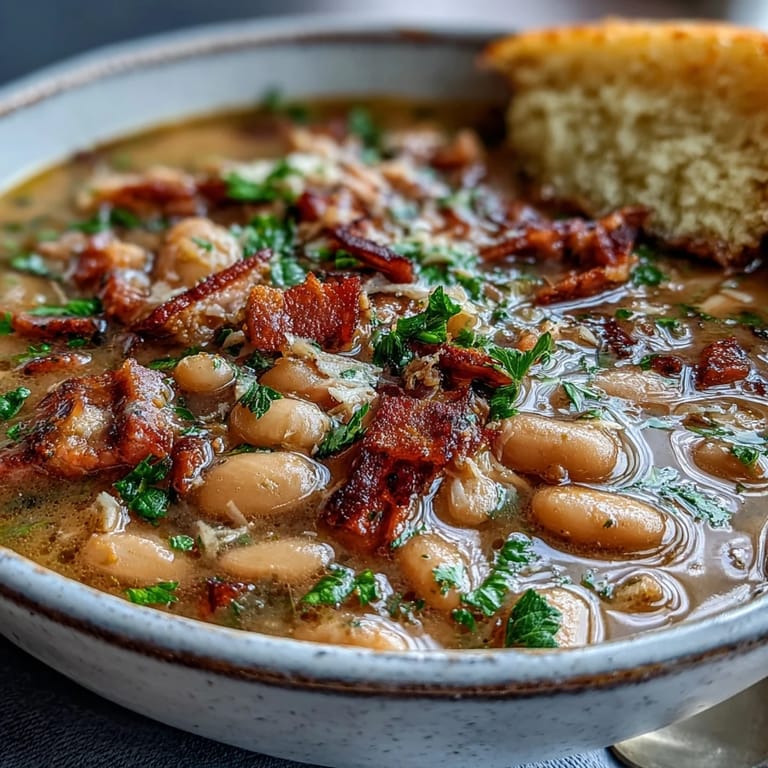
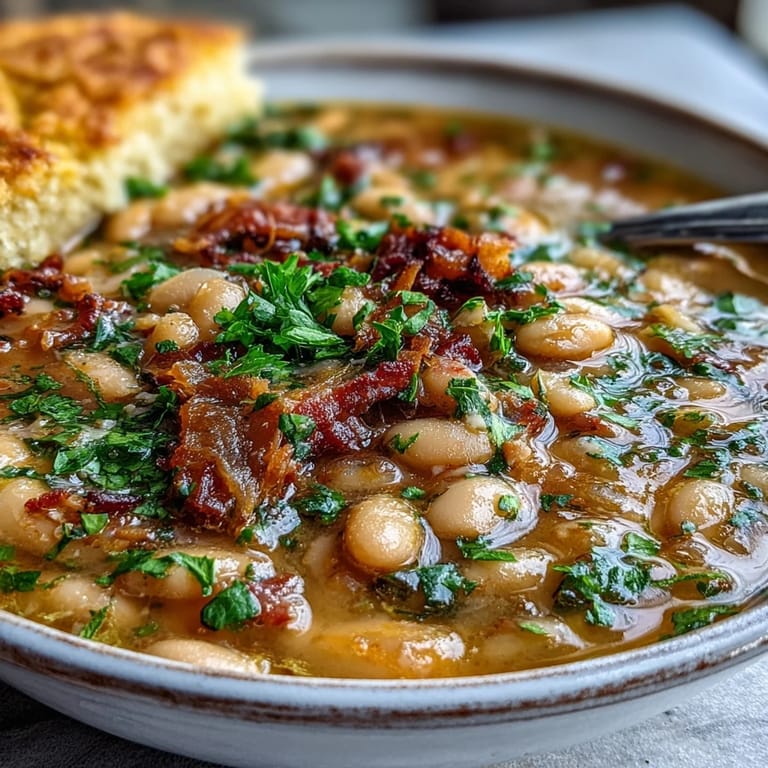
- Ladle the hot soup into bowls and serve each one with a warm square of cornbread on the side, or crumble the cornbread right into the soup if that's your style.
 Save
Save My daughter asked why I always make cornbread with this soup instead of just eating it alone, and I realized I couldn't separate them in my mind—they're a conversation between warmth and sweetness, richness and lightness, that somehow only works together. Now she requests both on the same day, and I see her understanding that food isn't just fuel but a small ceremony we create for ourselves.
Variations and Additions
This soup is forgiving enough to bend toward whatever you have on hand or whatever season you're cooking in. I've added a generous splash of liquid smoke when I wanted deeper flavor, swapped the ham hock for smoked turkey leg to keep things lighter, and thrown in a handful of chopped kale or spinach during the last ten minutes of simmering for color and nutrition. The cornbread stays constant in my kitchen, but I've experimented with adding a jalapeño or a tablespoon of honey, and both times it felt like I was making it my own rather than just following directions.
Why This Pairing Works
Ham hock and bean soup could stand alone as a complete meal, but cornbread transforms it into something almost ceremonial. The cornbread's gentle sweetness and tender crumb provide a textural and flavor contrast that makes each spoonful of soup taste richer, while the soup's savory depth keeps the cornbread from feeling one-note. Together, they create a meal that feels both simple and substantial, the kind that satisfies not just hunger but something deeper.
Make-Ahead and Storage
The soup actually improves the next day once all the flavors have settled and merged, so don't hesitate to make it ahead and reheat gently on the stovetop. The cornbread keeps well wrapped at room temperature for two days, or you can crumble and freeze any leftovers to use in dressings later—my mother does this and it never fails. These two components give you flexibility: make the soup a day early, bake the cornbread in the morning, and you've got a meal that feels made-from-scratch without the stress.
- Store soup in an airtight container in the refrigerator for up to four days, or freeze for up to three months.
- Wrap cooled cornbread tightly in plastic wrap or store in an airtight container at room temperature.
- Reheat soup gently on the stovetop rather than the microwave to preserve texture and let flavors resound.
 Save
Save This soup and cornbread have become the meal I make when I want to say something without words—when someone needs comfort, when a gathering needs grounding, when I need to remember that good food is really just attention paid in a pot. Make it slowly, taste as you go, and let it teach you what you need to know.
Recipe Questions
- → What type of beans work best for this soup?
Dried white beans such as navy or Great Northern beans are ideal because they become tender and absorb the smoky flavors well.
- → Can I substitute the ham hock with another meat?
Yes, smoked turkey leg can be used for a pork-free option, maintaining a similar smoky depth.
- → How do I achieve the right texture in the cornbread?
Mix wet and dry ingredients gently to avoid overmixing; bake until golden and a toothpick comes out clean for a tender crumb.
- → What is the best way to enhance the smoky flavor?
Adding a small dash of liquid smoke to the soup can deepen the smoky profile without overpowering the dish.
- → Can I add vegetables to the soup for extra nutrition?
Yes, stirring in chopped kale or spinach during the last minutes of simmering adds freshness and nutrients.