 Save
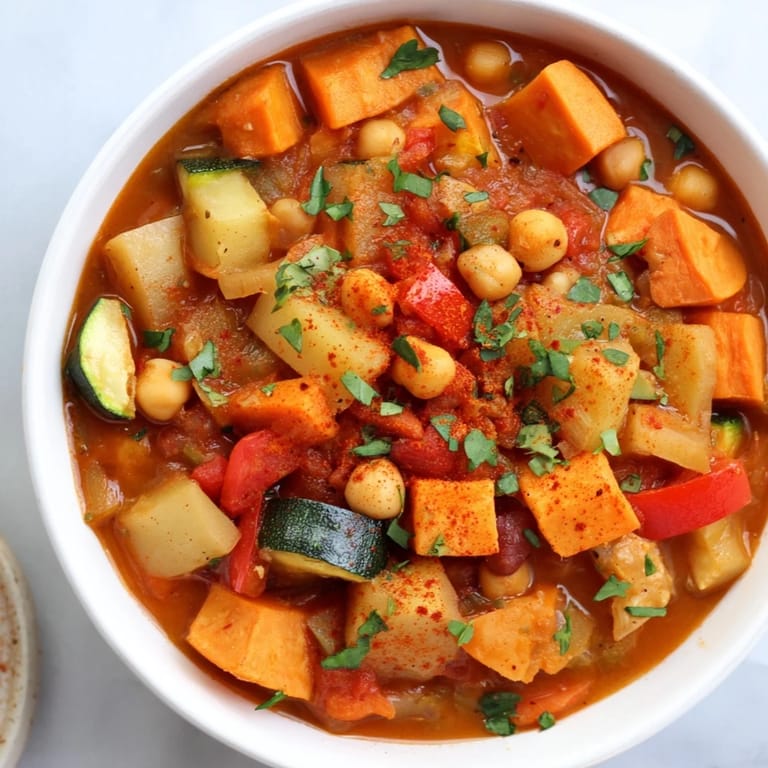
Save The first time I made this stew, my kitchen filled with the most inviting aroma, and I realized I'd been overcomplicating winter cooking. Sweet potatoes released their natural sweetness while the spices built this warm, earthy foundation that somehow felt both simple and sophisticated. My partner walked in mid-stir and asked if I was making magic in a pot. That's when I knew this recipe had become a regular in our rotation, the kind of meal that makes people linger at the table even when they're full.
I made this for a coworker who'd recently gone vegan and was nervous about feeling deprived at potlucks. Watching her face light up when she tasted it—the moment she realized how much flavor and substance was in that bowl—that's when I understood this wasn't just another recipe. It became the dish I bring when I want to show someone that eating differently doesn't mean eating less joyfully.
Ingredients
- Sweet potatoes and Yukon Gold potatoes: The combination gives you creamy texture from the sweet potato and structure from the starchy potato; don't skip the peeling, as it helps them soften evenly.
- Cannellini and chickpeas: Each bean brings different textures and mild flavors that let the broth shine without competing.
- Tomato paste and diced tomatoes: The paste concentrates flavor before the liquid dilutes it, so resist the urge to skip it.
- Smoked paprika, thyme, and cumin: This trio creates depth without heat; they layer gradually as the stew simmers.
- Garlic and aromatics: Fresh garlic added mid-way prevents it from turning bitter over the long cook.
- Vegetable broth: Use something you'd actually taste on its own, because it's the backbone here.
Tired of Takeout? 🥡
Get 10 meals you can make faster than delivery arrives. Seriously.
One email. No spam. Unsubscribe anytime.
Instructions
- Build your flavor base:
- Heat olive oil and sauté onion, celery, and carrot for 5 minutes until they soften and release their sweetness. Listen for a gentle sizzle, not aggressive bubbling—you're coaxing flavor, not rushing it.
- Layer in brightness and heat:
- Add garlic, bell pepper, and zucchini, cooking just 3 minutes so the garlic perfumes everything without browning. The vegetables should smell bright and alive.
- Toast the spices:
- Add your potatoes and dry spices, stirring for 2 minutes until the kitchen smells like a warm spice market. This step blooms the paprika and thyme so they're not raw in your finished stew.
- Build the broth:
- Stir in tomato paste first—let it coat the vegetables for a moment—then add tomatoes, broth, and bay leaf. The transition from sauté to soup should feel intentional, not rushed.
- First simmer:
- Bring to a boil, then lower to a gentle simmer for 20 minutes. The potatoes should be just tender enough to break with a spoon, not falling apart. You're building structure here.
- Add the beans:
- Pour in your cannellini and chickpeas, stirring gently, and let everything simmer 10–15 minutes uncovered so the broth reduces slightly and flavors knit together. The stew should smell almost meaty now, rich and full.
- Finish with greens:
- If using spinach, add it in the last 2 minutes just to wilt. The residual heat is enough.
- Taste and adjust:
- Remove the bay leaf and taste before serving. Salt often needs a final adjustment once everything's cooked down.
 Save
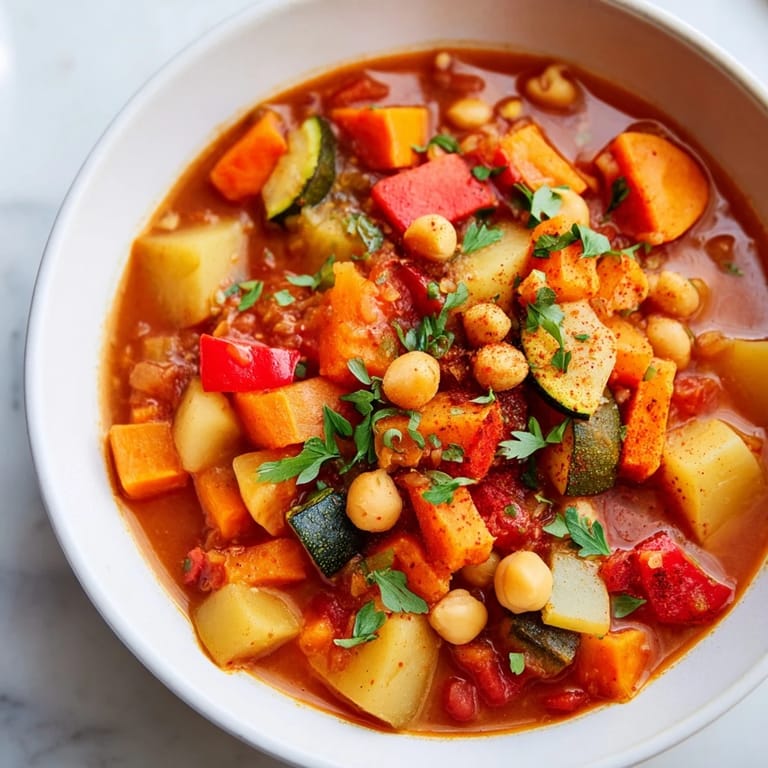
Save A friend once asked me if a vegan stew could ever feel like comfort food in the way she remembered from childhood. After that first spoonful, she got quiet in that way people do when food reaches somewhere deeper than hunger. That's the real magic of this recipe—it doesn't apologize for what it isn't; it just confidently shows up and nourishes.
Why This Stew Works Year-Round
The beauty of this recipe is its flexibility without sacrificing integrity. In autumn, I emphasize the smoked paprika and add an extra splash of tomato paste to deepen that spice-forward warmth. In spring, I lighten it with extra spinach and fresh herbs stirred in at the end. The bones of the stew—potatoes, beans, tomato broth—stay consistent while the vegetables shift with seasons and what I find at the market.
Serving and Storage Ideas
I've ladled this over rice, polenta, and crusty bread more times than I can count, and it never disappoints. Each vessel changes the experience slightly—bread soaks up the broth in a way rice doesn't, making it almost stew-soup. For storage, it keeps beautifully in the fridge for four days and freezes for up to three months, which is why I often make a double batch on Sunday.
Variations and Personal Touches
This stew is forgiving enough to welcome your preferences and what you have on hand. Root vegetables like parsnip or celery root can replace some of the potatoes for earthier flavor, and if spinach isn't your thing, kale works just as well. For heat lovers, a pinch of chili flakes stirred in during the final minute transforms it without overwhelming the other flavors.
- Try adding a strip of orange zest in the last minute of cooking for unexpected brightness that rounds out the earthiness.
- A splash of red wine vinegar at the end wakes up the broth without making it tangy—balance is everything.
- Keep the bay leaf in mind: it's quiet but essential, so don't skip it thinking it won't matter.
 Save
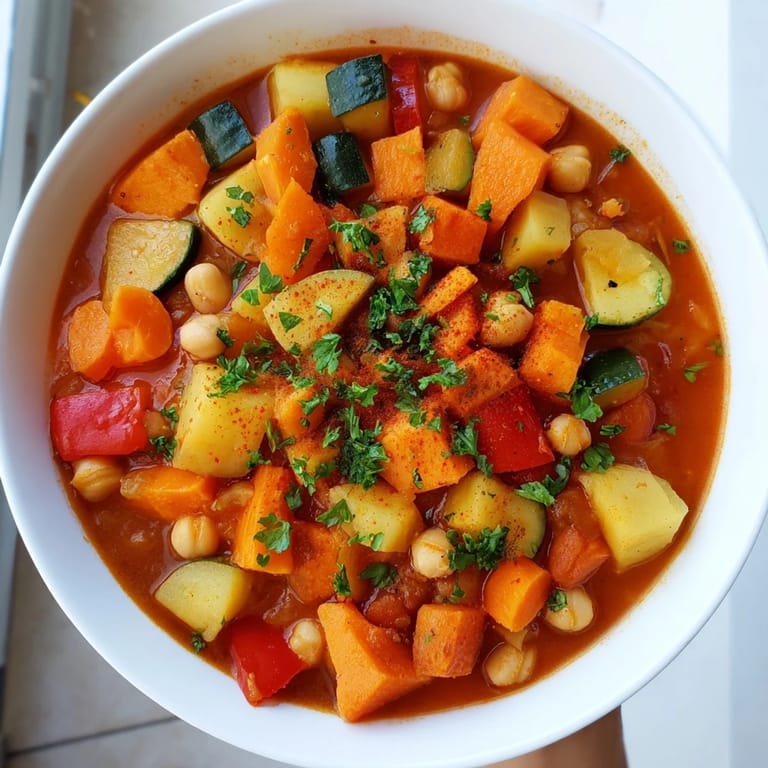
Save Every time someone tells me this stew became their weeknight anchor, I think about how the simplest recipes often teach us the most. This one's proof that nourishing food doesn't require fuss—just intention and patience.
Recipe Questions
- → Can I make this stew spicier?
Yes, you can add ½ teaspoon of chili flakes for a mild kick or adjust according to your spice preference.
- → What beans work best in this dish?
Cannellini, kidney beans, or chickpeas all work well, adding creaminess and protein to the stew.
- → Is it necessary to use baby spinach?
Baby spinach is optional but adds a fresh, tender green note that enhances color and texture.
- → Can I prepare the stew ahead of time?
Absolutely, the flavors deepen after resting, making it ideal for meal prep and reheating.
- → What can I serve with this hearty stew?
Crusty bread, rice, or quinoa are excellent accompaniments that complement the rich tomato broth.