 Save
Save There's a Tuesday evening I can't shake from my memory—I'd promised to make pasta for friends who were coming over in thirty minutes, and I'd completely forgotten about dinner. Standing in front of my pantry, staring at a can of tomato sauce and a stick of butter, something clicked. What if I just melted the butter into the sauce and let it work its magic? That night, those friends raved about the silky, restaurant-quality marinara I'd somehow conjured in minutes, and I've been making this hack ever since.
I made this for my partner on a lazy Sunday morning when neither of us felt like proper cooking, just something warm and comforting alongside fresh bread. The way the butter melted into that simple tomato sauce and transformed it into something velvety and luxurious felt almost like a small magic trick we were pulling off together in the kitchen.
Ingredients
- Tomato sauce: Use plain, unsalted if you can find it—this gives you control over the final flavor and keeps things bright instead of overly salty.
- Unsalted butter: This is where the creaminess comes from; don't skip it or substitute with oil, as the butter emulsifies and creates that silky texture.
- Garlic powder: It dissolves instantly and distributes evenly throughout the sauce, adding warmth without any harsh raw garlic bite.
- Salt and black pepper: Taste as you go here—tomato sauces vary wildly in saltiness, so you might need more or less than the recipe suggests.
- Heavy cream: Optional but worth it if you want something even richer; just a tablespoon turns this into something almost decadent.
- Dried Italian herbs: A teaspoon adds depth and makes the kitchen smell incredible while it simmers.
Tired of Takeout? 🥡
Get 10 meals you can make faster than delivery arrives. Seriously.
One email. No spam. Unsubscribe anytime.
Instructions
- Combine and let the butter work:
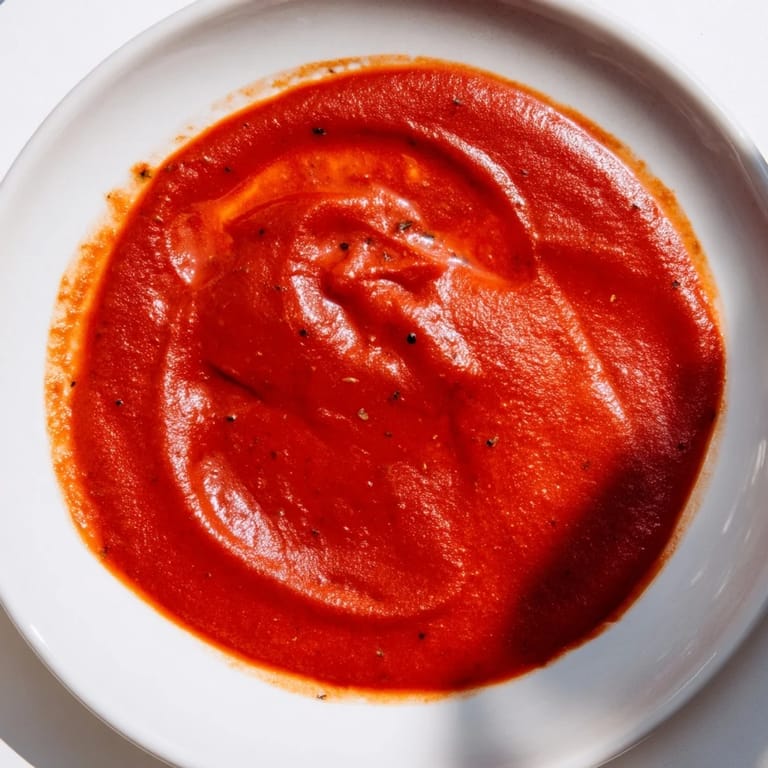
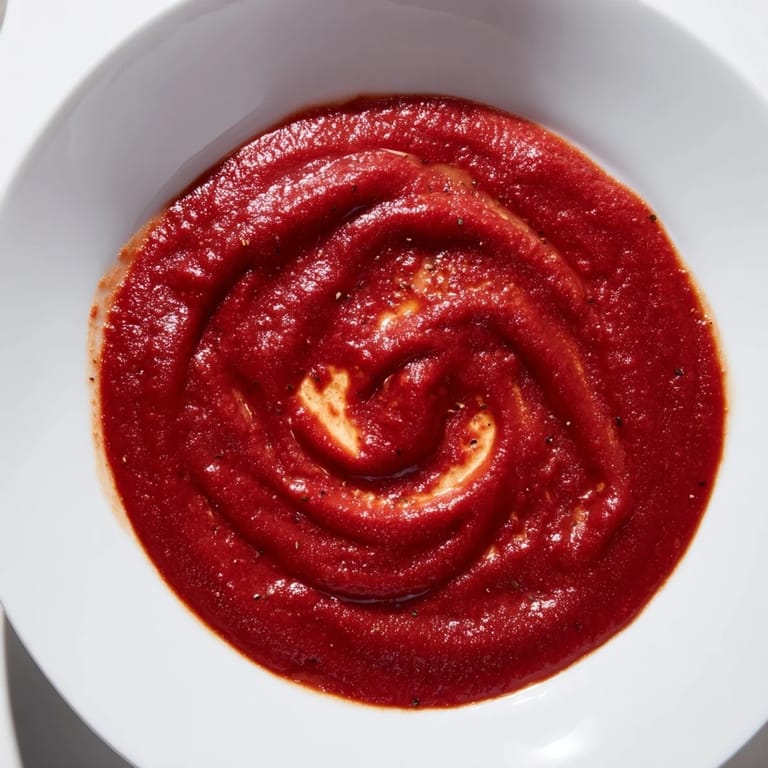
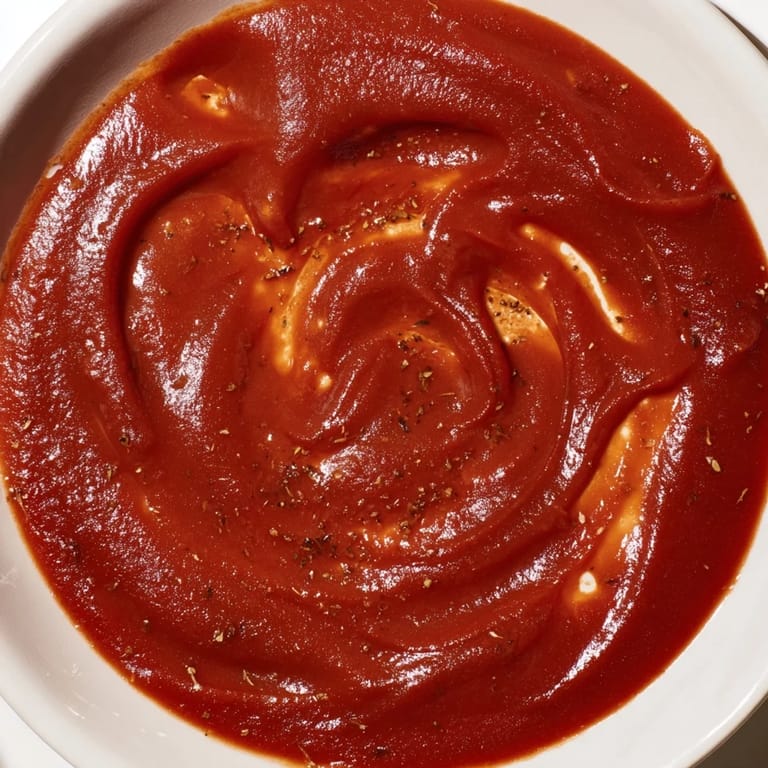
- Pour your tomato sauce into a medium saucepan over medium heat, then add the butter and garlic powder. You'll watch it melt and swirl into the red sauce like marble through water, which is exactly what you want.
- Let it simmer into silkiness:
- Stir occasionally and let it bubble gently for about five minutes—the butter and sauce need time to get to know each other. You'll notice the sauce becoming noticeably creamier and more velvety than when you started.
- Season with intention:
- Add salt and black pepper, stirring well. This is the moment to taste and adjust; remember that salt enhances everything, so a tiny pinch often makes a bigger difference than you'd expect.
- Make it your own (if you want):
- Stir in the cream and Italian herbs if you're using them. Watch how the cream softens the color to a peachy rose and the herbs release their aroma into the steam.
- Final simmer and taste:
- Let everything bubble together for another two to three minutes, stirring occasionally so nothing sticks to the bottom. Taste one more time, adjust if needed, and serve immediately while it's hot.
 Save
Save My sister brought her new partner over for dinner last month, and they asked for the recipe after tasting this sauce. There's something about watching someone's face light up when they realize how simple something delicious can be that makes you feel like you've shared something real.
The Butter Hack Explained
The real secret here isn't the ingredients—it's understanding that butter emulsifies, which means it can blend fat and water together in a way that creates a silky texture that plain sauce just can't achieve on its own. When you melt butter into tomato sauce, you're not just adding richness; you're transforming the whole mouthfeel of the dish. It's why restaurant marinara tastes different from what comes out of a jar, and it's why this ten-minute version tastes like you've been cooking all afternoon.
Ways to Use This Beyond Pasta
I've used this sauce as a pizza base when I wanted something quick and special, dolloped it into soups for instant depth, and even used it as a dipping sauce for fresh mozzarella and bread. It's become one of those recipes I make without thinking because it works everywhere and never disappoints.
Variations and Tweaks
Once you've made this basic version a few times, you'll start seeing all the directions you can take it. A pinch of red pepper flakes adds a gentle heat that builds as you eat, while a small handful of fresh basil stirred in at the end brings brightness and makes it feel less like a pantry hack and more like something from a farmers market. For vegan versions, plant-based butter works beautifully; just make sure it's one that emulsifies well, not one that stays grainy.
- Fresh herbs stirred in right at the end taste fresher and brighter than dried ones cooked into the sauce.
- A tiny splash of balsamic vinegar adds complexity and makes people ask what your secret is.
- If you have parmesan rinds sitting around, simmering one in the sauce for these ten minutes adds an umami depth that tastes impossible for something so quick.
 Save
Save This sauce has saved countless dinners and turned lazy nights into moments where everyone feels taken care of. Sometimes the best cooking isn't about complexity—it's about knowing a few simple tricks that make people happy.
Recipe Questions
- → Can I make the sauce vegan?
Yes, replace butter with a plant-based alternative and omit cream to keep it vegan-friendly.
- → What types of tomato sauce work best?
Plain, unsalted tomato sauce is ideal. Fire-roasted or San Marzano varieties add depth and richness.
- → How can I add extra creaminess?
Stir in heavy cream towards the end of cooking to enhance richness and smooth texture.
- → Is this sauce suitable for gluten-free diets?
Yes, when using gluten-free tomato sauce and ingredients, it's naturally gluten-free.
- → Can I spice up the sauce?
Adding a pinch of red pepper flakes introduces a mild heat and complements the flavors nicely.