 Save
Save There's something about the first really cold morning of the year that makes me crave soup. I was standing in my kitchen, staring at a half-full crisper drawer and wondering what to do with a bunch of vegetables before they got sad, when I realized I had everything for something warming and real. That's how this soup happened—not from a craving, but from a quiet moment of not wanting to waste good food and wanting something that would actually fill me up.
I made this for a friend who was going through one of those weeks where everything felt like too much, and she said it was exactly what she needed. There's something about a bowl of soup that just works when life feels complicated—it's warm, it's nourishing, and it asks nothing of you except to sit for a minute.
Ingredients
- Olive oil: Just enough to soften your vegetables without making them greasy.
- Onion and garlic: The foundation—don't skip these or rush them, they're what makes everything taste intentional.
- Carrots, celery, and parsnip: These are your aromatic vegetables, and they build layers of sweetness as they soften.
- Sweet potato: It adds natural sweetness and creaminess without any cream, which I learned the hard way makes all the difference.
- Kale or Swiss chard: Leafy greens add color and nutrients—remove the tough stems unless you enjoy chewing rubber.
- Cabbage: It's sturdy enough to hold its shape and adds a subtle earthiness that rounds everything out.
- Diced tomatoes: Canned works just as well as fresh, and honestly it's more practical for winter cooking.
- Quinoa, rinsed: This is your protein source—rinsing it removes the bitter coating, which I forgot once and will never forget again.
- Vegetable broth: Low-sodium lets you control the salt and keeps the broth from getting weirdly salty as it simmers.
- Thyme, oregano, and bay leaf: Dried herbs work beautifully here and their flavors only get better with time in the pot.
- Lemon juice: This is optional but it's the secret that makes people ask what your secret is.
- Fresh parsley: A handful stirred in at the end adds brightness and makes it look like you actually cared about presentation.
Tired of Takeout? 🥡
Get 10 meals you can make faster than delivery arrives. Seriously.
One email. No spam. Unsubscribe anytime.
Instructions
- Start your base:
- Heat the olive oil in a large pot over medium heat and add your onion and garlic. You want to hear them sizzle quietly—if they're getting loud and brown, your heat's too high. After a couple of minutes, they should smell amazing and turn translucent, which is your signal they're ready for the next step.
- Build your foundation:
- Toss in your carrots, celery, parsnip, and sweet potato, stirring occasionally as they cook for about 5 to 6 minutes. You're not looking for them to be soft yet, just starting to soften at the edges and release their sweetness into the pot.
- Add your greens:
- Stir in the kale and cabbage along with your tomatoes, letting everything cook together for another 2 minutes. The greens will seem like a lot at first but they'll shrink down and become part of the whole picture.
- Bring it all together:
- Add your rinsed quinoa, broth, and all your herbs and seasonings. Stir everything so nothing sticks to the bottom, then bring it to a boil—you'll see the surface get active and steamy.
- Let it simmer:
- Turn the heat down low and cover the pot. You're aiming for 25 to 30 minutes where the vegetables turn tender and the quinoa puffs up and gets fluffy. You'll know it's done when you bite a piece of carrot and it gives without any resistance.
- Finish and taste:
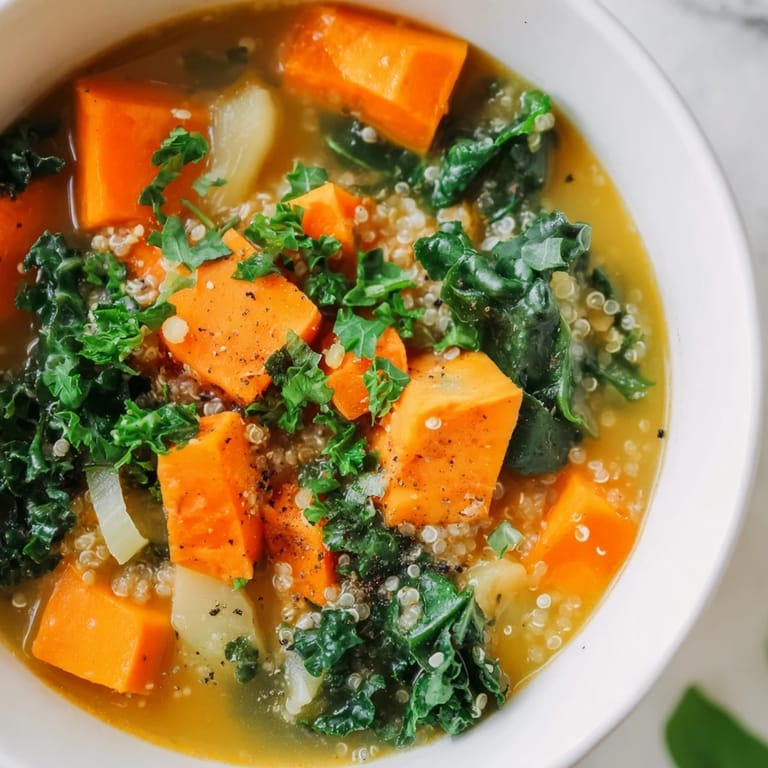
- Fish out the bay leaf, then stir in your fresh parsley and a squeeze of lemon juice if you have it. Taste it honestly and add more salt, pepper, or lemon as your instinct tells you.
 Save
Save What surprised me most about this soup is how satisfying it is without feeling heavy. I finished my bowl and felt genuinely nourished instead of just full, and that's become its whole identity in my cooking routine.
Why This Soup Works
Winter soups live or die on balance, and this one gets it right. The sweet potato and parsnip add natural sweetness, the greens add mineral depth, the tomatoes add brightness, and the quinoa adds staying power. Nothing overwhelms anything else—it's just vegetables talking to each other in a really good way.
Variations That Actually Work
I've made this soup probably fifteen times now, and every time I tweak it based on what's in my fridge or what mood I'm in. Sometimes I add a can of white beans for more protein, sometimes I swap the kale for spinach because I forgot to buy kale, and once I added a pinch of red pepper flakes because I woke up in a mood. Each version tastes different but equally right, which is the whole point of cooking for yourself.
Serving and Storing
This soup is even better the next day after all the flavors have gotten to know each other. It stores beautifully in the fridge for about 4 days, and you can freeze it in portions if you want to have the comfort of this ready whenever you need it. I always serve it with crusty bread for soaking up the good broth, and sometimes a piece of cheese on the side if I'm feeling generous with myself.
- Make a double batch on Sunday and you'll have lunch sorted for half the week.
- If the broth gets thick after a day or two in the fridge, just add a splash more water when you reheat it.
- Taste it again after reheating—sometimes the seasoning settles differently and needs a small adjustment.
 Save
Save This is the kind of soup that makes you feel like you're taking care of yourself while you're eating it. That's the real reason to make it.
Recipe Questions
- → How can I increase the protein content?
Add a can of drained chickpeas or white beans during cooking to boost protein naturally.
- → Can I substitute the greens used in this soup?
Yes, spinach can replace kale or chard for a milder flavor and softer texture.
- → What is the best way to store leftovers?
Store in an airtight container in the refrigerator for up to 4 days. Reheat gently before serving.
- → Is it possible to add some heat to the soup?
For a spicy kick, add a pinch of red pepper flakes when sautéing the onions and garlic.
- → What bread pairs well with this soup?
Crusty whole-grain bread complements the soup's hearty vegetables and quinoa perfectly.