 Save
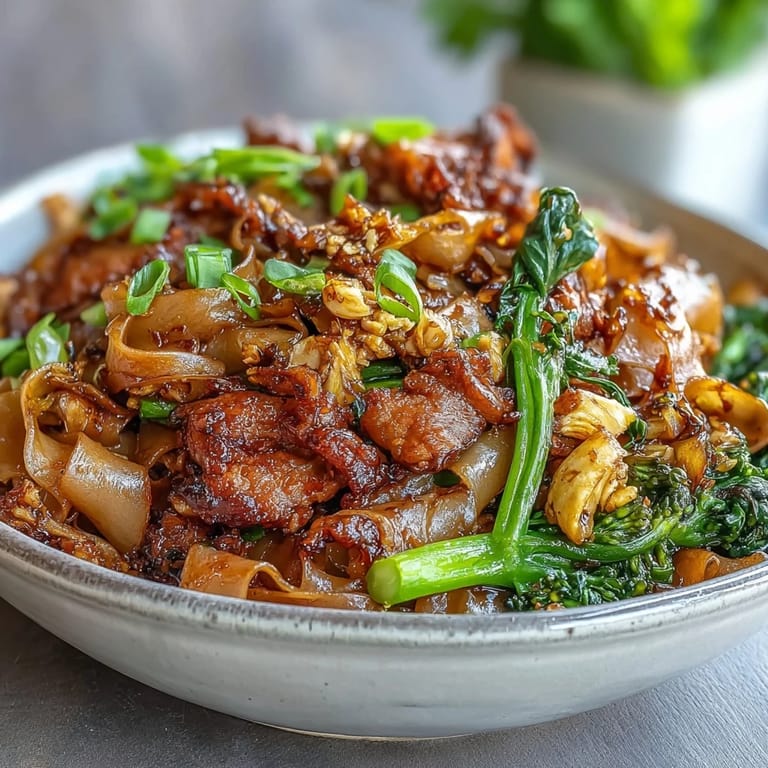
Save The first time I attempted Pad See Ew in my tiny apartment kitchen, I accidentally set off the smoke alarm. That charred smell that lingers in Thai street food stalls? It turns out that's actually the desired flavor profile, called wok hei, the breath of the wok. After years of tinkering with heat levels and sauce ratios, I finally understand what makes those street vendors' noodles so intoxicating. It's not just about the ingredients—it's about cooking with conviction over seriously high heat.
Last winter, my friend Sarah came over after a particularly brutal week at work. I made this for her, watching as she took that first bite and actually closed her eyes. We sat at my chipped kitchen table, steam rising from our bowls, and she told me it tasted exactly like the dish she'd lived on during her travels through Bangkok. Food has this way of transporting us, doesn't it?
Ingredients
- Wide rice noodles: Fresh noodles from an Asian market are ideal, but dried work beautifully if soaked until pliable
- Chicken thighs: More flavorful and forgiving than breast meat, staying tender even with high-heat cooking
- Chinese broccoli: The stems provide satisfying crunch while leaves wilt into the sauce
- Dark soy sauce: This creates that signature caramel color and deep molasses-like sweetness
- Oyster sauce: Adds umami richness that ties all the flavors together
- Garlic: Finely chopped so it releases fragrance quickly without burning
Tired of Takeout? 🥡
Get 10 meals you can make faster than delivery arrives. Seriously.
One email. No spam. Unsubscribe anytime.
Instructions
- Get your noodles ready:
- Soak dried noodles in warm water for 30 minutes until pliable, or gently separate fresh ones. Drain them well before cooking to prevent steaming instead of stir-frying.
- Whisk together the sauce:
- Combine dark soy sauce, oyster sauce, light soy sauce, vinegar, and sugar in a small bowl. Stir until the sugar completely dissolves so it won't seize in the hot wok.
- Sear the chicken:
- Heat oil in your wok over high heat until smoking slightly. Add chicken in a single layer and let it develop a golden crust before flipping.
- Cook the broccoli:
- Stir-fry stems first for about a minute, then add leaves until just wilted. Remove both chicken and vegetables to keep them from overcooking.
- Create the egg ribbons:
- Add fresh oil and minced garlic, then crack in the egg. Scramble quickly until just set but still creamy—those silky ribbons are essential.
- Bring it all together:
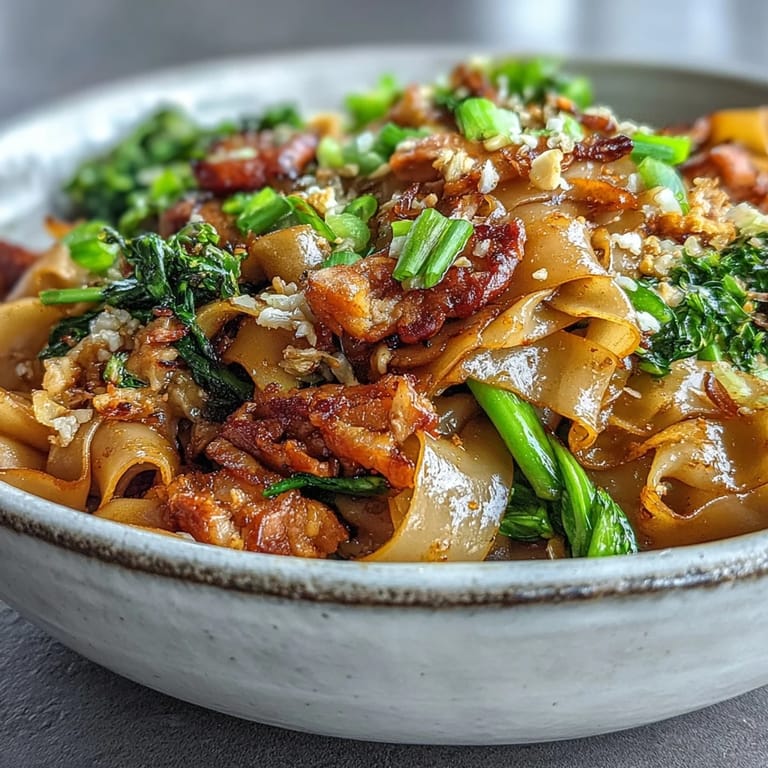
- Toss noodles with sauce until evenly coated and steaming, then return everything to the wok. Stir-fry for just 1 to 2 minutes until components are heated through.
 Save
Save This recipe has become my go-to for nights when I need something comforting but not heavy. There's something about the combination of chewy noodles, crisp vegetables, and that caramelized sauce that just works.
Choosing the Right Noodles
Fresh wide rice noodles from Asian markets make a noticeable difference, though dried ones work perfectly with proper soaking. Look for noodles labeled sen yai or pad see ew noodles specifically.
Mastering Wok Hei
That elusive smoky flavor comes from cooking over sustained high heat. Don't be afraid of a little charring on the noodles—that's where the magic happens.
Make It Your Own
Once you've got the basic technique down, this dish welcomes endless variation. The sauce ratio stays consistent while proteins and vegetables change with the seasons or your cravings.
- Slice meat against the grain for maximum tenderness
- Don't overcrowd the wok or everything will steam instead of sear
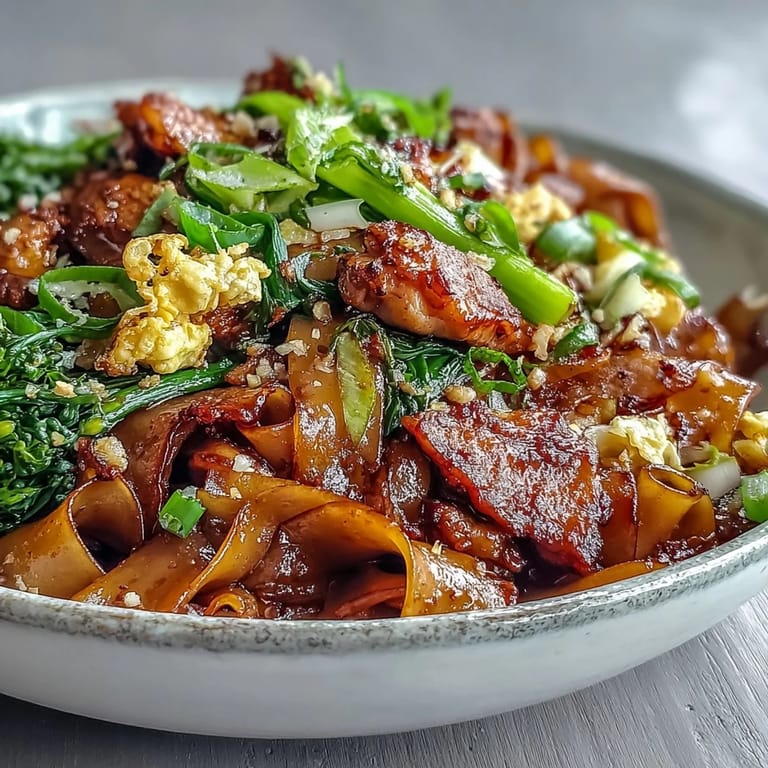
- Have serving plates ready because this dish waits for no one
 Save
Save Gather your friends, pour some drinks, and let the wok work its magic. Good food tastes even better when shared.
Recipe Questions
- → What makes Pad See Ew different from other Thai noodle dishes?
Pad See Ew features wide rice noodles stir-fried with a distinctive sweet-savory sauce made from dark soy sauce, oyster sauce, and sugar. Unlike Pad Thai's tangy tamarind profile, this dish emphasizes deeper caramelized flavors with slightly charred edges from high-heat wok cooking.
- → Can I use fresh rice noodles instead of dried?
Fresh wide rice noodles work exceptionally well and require no soaking—simply separate the strands gently before cooking. Dried noodles need 30 minutes in warm water until pliable. Both deliver excellent results, though fresh noodles offer more tender texture.
- → What vegetables work best as substitutes for Chinese broccoli?
Broccolini provides similar flavor and crunch. Regular broccoli florets offer a familiar alternative, though they cook faster. For authentic results, use gai lan stems and leaves separately—stems need slightly longer cooking than the tender leaves.
- → How do I achieve those restaurant-style charred noodle edges?
High heat is essential. Let your wok or skillet get thoroughly hot before adding oil. Allow noodles to make brief contact with the cooking surface without constant stirring—this creates those prized caramelized, slightly smoky spots characteristic of proper Pad See Ew.
- → Can I make this dish vegetarian?
Substitute chicken with firm tofu cubes or additional vegetables. Replace oyster sauce with vegetarian mushroom sauce or additional soy sauce. The remaining ingredients naturally suit plant-based preparation while maintaining the dish's essential character.
- → What protein alternatives work well in this dish?
Thinly sliced beef, pork, or shrimp all cook quickly and absorb the sauce beautifully. For beef, choose flank or skirt steak sliced against the grain. Shrimp requires just 2-3 minutes until pink and opaque. Each protein brings subtle character while letting the noodles remain the star.