 Save
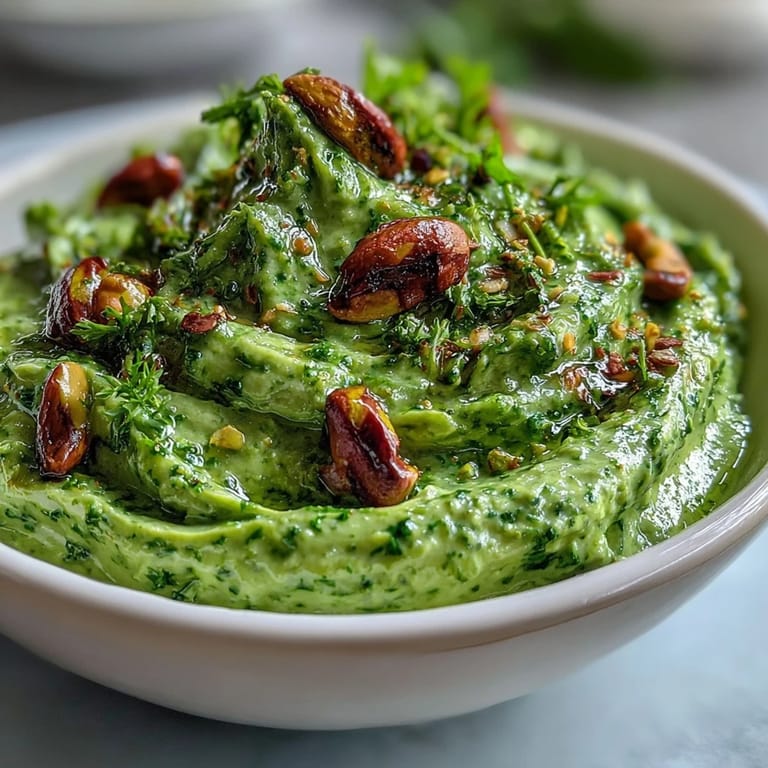
Save I discovered pistachio pesto by accident, honestly—my usual basil supply had bolted in the summer heat, and I was staring at a bag of roasted pistachios wondering how to salvage dinner. That first batch, made in a sudden burst of creativity, tasted nothing like traditional pesto, but it was better. The nutty richness surprised everyone at the table, and it's been my secret weapon ever since for elevating simple pasta nights into something that feels intentional.
My neighbor brought over fresh basil from her garden one afternoon, and I remember the weight of those leaves in my palm—so fragrant the whole kitchen smelled like summer. I made this pesto right then, and she stood at my counter watching the food processor work, amazed at how quickly something so vibrant came together. She's been making it ever since, and I think about that moment every time I smell basil now.
Ingredients
- Shelled unsalted pistachios (1 cup): These are the backbone here—their buttery texture and mild earthiness is what makes this pesto sing, so don't skip them or substitute with other nuts without thinking it through.
- Fresh basil leaves, packed (2 cups): Pick leaves that smell bright and peppery, and pack them loosely into your measuring cup so you're not crushing them before they hit the processor.
- Garlic cloves (2): Use fresh cloves you've peeled yourself; pre-minced garlic can taste metallic and will overpower the delicate pistachio flavor.
- Grated Parmesan cheese (1/3 cup): Freshly grated makes all the difference—the pre-grated stuff has anti-caking agents that make the texture grainy and off.
- Extra-virgin olive oil (1/2 cup): This is where quality matters, because it's not being cooked; choose one you actually like tasting on bread.
- Kosher salt (1/2 teaspoon): Start here but taste as you go—you might want more depending on your cheese and how salty your pistachios are.
- Freshly ground black pepper (1/4 teaspoon): Always grind it fresh right before you make this; pre-ground loses its bite and the pesto ends up flat.
- Fresh lemon juice (1 tablespoon, optional): This is my secret for cutting through the richness and making everything taste brighter—I almost always use it.
Tired of Takeout? 🥡
Get 10 meals you can make faster than delivery arrives. Seriously.
One email. No spam. Unsubscribe anytime.
Instructions
- Pulse the foundation together:
- Add pistachios, basil, and garlic to your food processor and pulse about 10 to 15 times until everything is finely chopped but still has some texture. Listen for the sound of the motor to lighten—that's your signal that the pistachios are breaking down nicely without turning into dust.
- Bring in the cheese and seasoning:
- Scatter the Parmesan, salt, and pepper over the mixture and pulse another 5 times just to combine everything evenly. Don't overdo this part or the cheese will turn into a paste.
- Slowly stream in the olive oil:
- Keep the processor running on low and drizzle the oil in steadily over about 30 seconds—too fast and it won't emulsify properly; too slow and you'll get impatient. Stop when it looks creamy and spreadable, with just a hint of texture from the nuts.
- Taste and adjust with lemon:
- Add the lemon juice if using and pulse once or twice until combined, then taste on a spoon and decide if you need more salt or anything else. Trust your palate here—recipes are just a starting point.
- Use or store:
- Toss with warm pasta right away, or transfer to a clean jar and refrigerate for up to 5 days in an airtight container. A thin layer of olive oil on top keeps it bright.
 Save
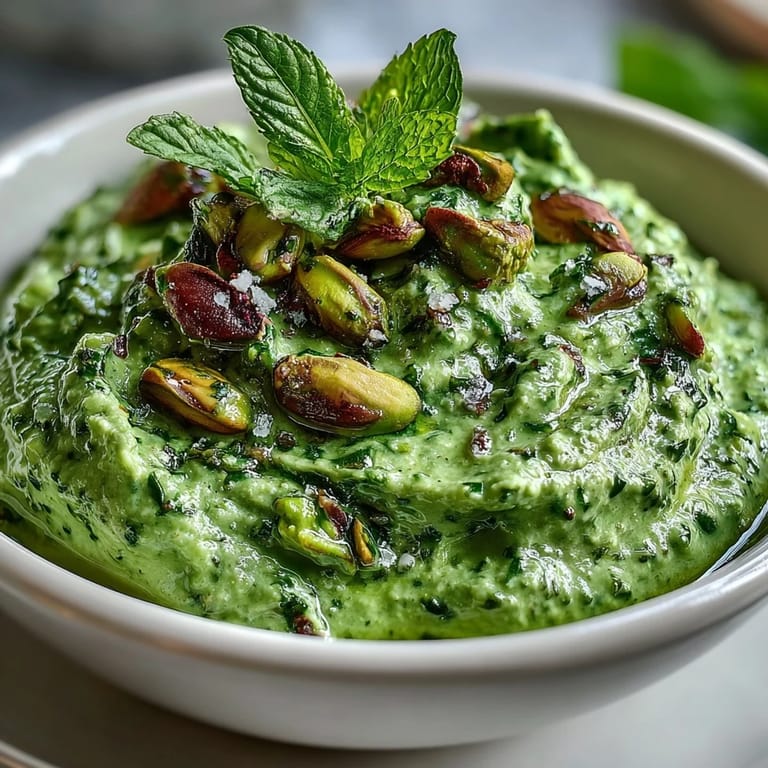
Save I served this on crostini at a dinner party last spring, and my friend who's usually picky asked for the recipe before she'd even finished her first bite. Watching someone's face light up when they taste something unexpected and delicious—that's when cooking stops being just a chore and becomes something worth doing.
Why Pistachio Over Pine Nuts
Pine nuts are traditional, sure, but they've gotten so expensive that making pesto with them feels like an occasion instead of a regular dinner move. Pistachios are friendlier on the wallet and honestly more interesting—they bring a slightly sweet, earthy note that pine nuts can't quite match. Plus, they're less likely to taste rancid, since they're more commonly stored properly in most grocery stores.
How to Use It Beyond Pasta
I've tossed this into warm potato salad and suddenly the whole thing tasted restaurant-quality, and I've stirred it into ricotta cheese as a vegetable dip that people went wild for. It melts beautifully on top of grilled fish, swirled into soups just before serving, or spread thick on a turkey sandwich to make something ordinary feel special. Think of it less as a pasta sauce and more as a flavor amplifier that works almost anywhere.
Storage and Make-Ahead Wisdom
This keeps well in the fridge, though the basil will gradually darken—it's still delicious, just not as visually stunning. If you make it ahead, press a piece of plastic wrap directly onto the surface before you cover the jar, which stops the pesto from oxidizing and turning brown. You can also freeze it in ice cube trays and pop out a cube whenever you need a quick flavor boost, though frozen pesto is best used for cooking rather than as a fresh dollop on top.
- Store in an airtight glass jar with a thin layer of olive oil on top to keep everything protected from air exposure.
- Let refrigerated pesto come to room temperature before using so the flavors open back up and it spreads more easily.
- If you want to make a bigger batch, this recipe doubles perfectly—just don't overload your food processor or it won't pulse evenly.
 Save
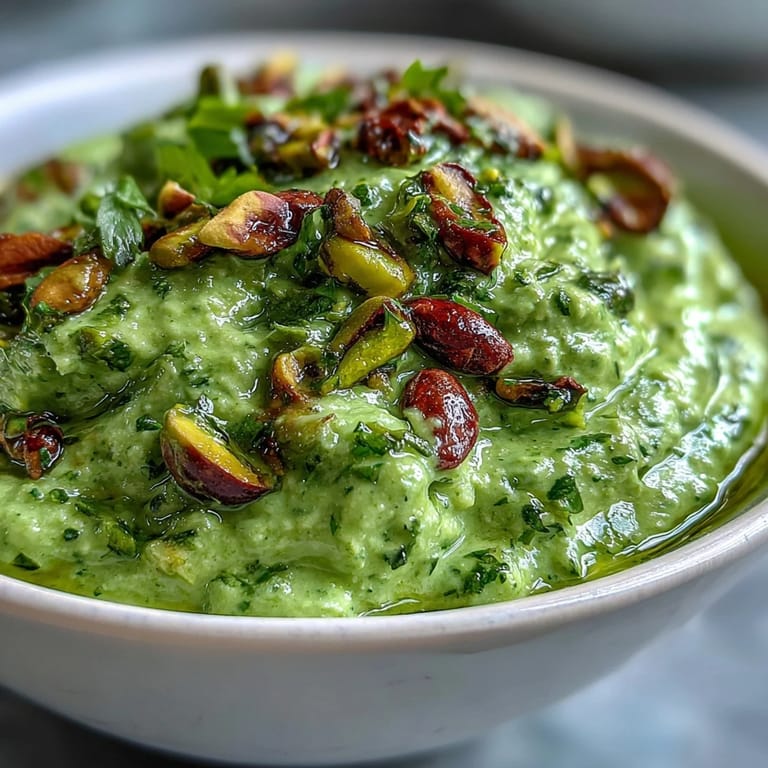
Save This pesto has become one of those quiet staples in my kitchen that makes everything better without stealing the spotlight. Make it when the basil is good, and remember that the best recipes are the ones you actually cook because they're useful, not because they look perfect on a plate.
Recipe Questions
- → Can I make this pesto vegan?
Yes, replace Parmesan cheese with nutritional yeast to keep the same savory depth without dairy.
- → How should I store the pesto?
Keep it in an airtight container in the refrigerator for up to 5 days to maintain freshness.
- → What dishes pair well with this pesto?
It's excellent tossed with pasta, spread on crostini, or drizzled over grilled vegetables for added flavor.
- → Can I adjust the pesto's thickness?
Yes, add a tablespoon of pasta cooking water or olive oil to thin the consistency as desired.
- → Are there allergen alternatives available?
For nut or dairy allergies, consider substituting pistachios with pumpkin seeds and Parmesan with vegan cheese options.