 Save
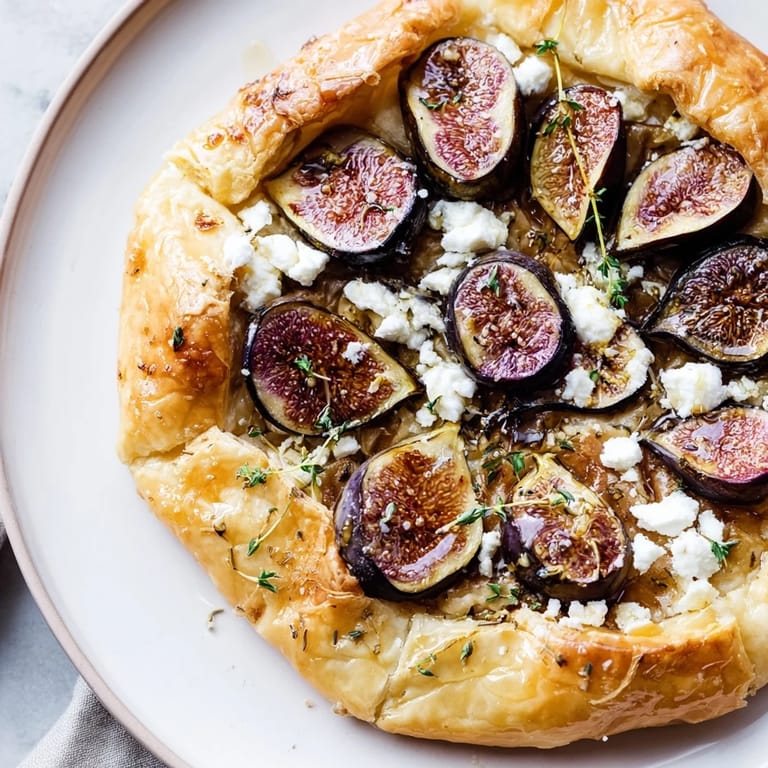
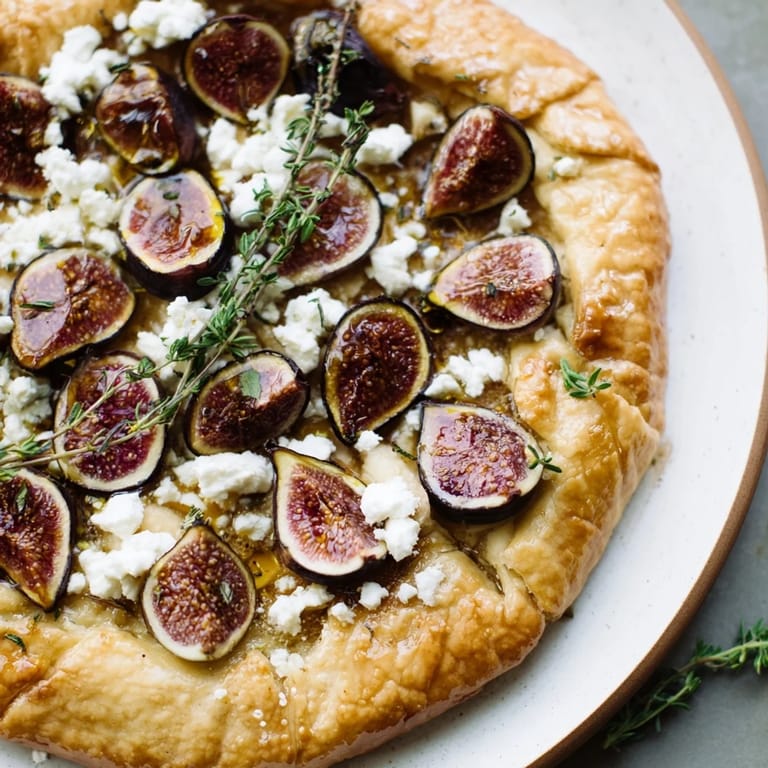
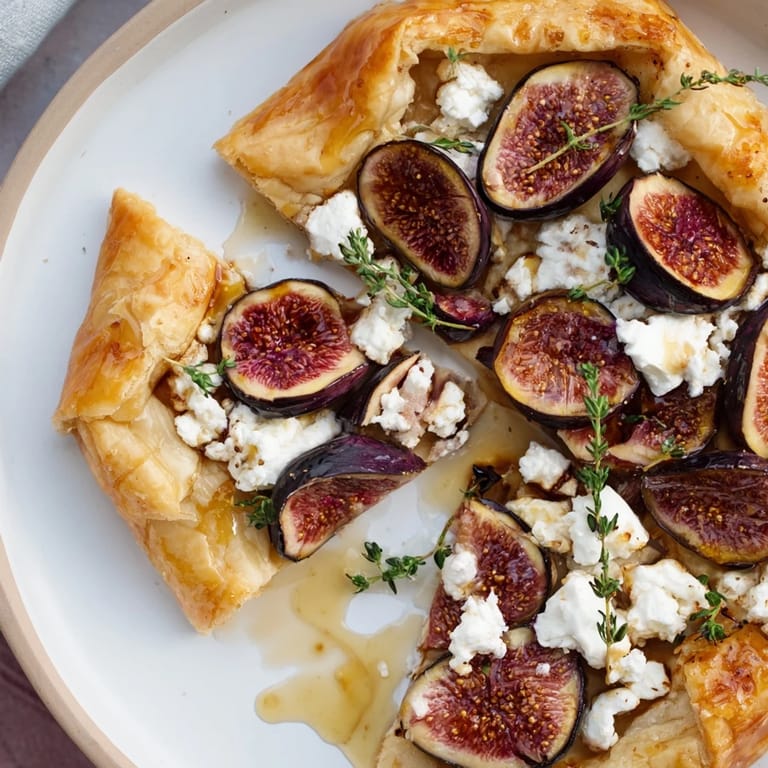
Save There's something about truffle oil that makes even the simplest gathering feel like an event. I discovered this pizza almost by accident one evening when I had leftover puff pastry and a fig problem—my farmer's market haul had gotten ahead of me. A drizzle of that precious truffle oil, some crumbly goat cheese, and suddenly I was serving something that tasted far more intentional than it actually was. My guests couldn't believe how easy it had been, and honestly, neither could I.
I made this for a dinner party last spring when someone unexpectedly brought a bottle of excellent Sauvignon Blanc. We were going to do something simple, but then I remembered I'd bought those glossy figs at the market that morning. By the time the oven timer went off, the whole apartment smelled like toasted pastry and honey, and I watched my friend cut into a slice and get that surprised smile—the one that says the food exceeded expectations. That's when I knew this one was a keeper.
Ingredients
- Puff Pastry (1 sheet, about 250 g): Thaw it completely but don't let it get warm or it becomes harder to work with; the cold, buttery layers are what give you that shattering crispness when it bakes.
- Fresh Figs (4–5, sliced): Look for ones that yield slightly to pressure and smell sweet at the bottom—they should be ripe enough to taste jammy but firm enough to hold their shape.
- Goat Cheese (120 g, crumbled): Room temperature goat cheese is creamier and spreads more evenly than cold straight from the fridge.
- Truffle Oil (1 tbsp before baking, 1 tbsp after): This is the secret weapon; don't skip the second drizzle after baking when you can actually taste it instead of having it cook away.
- Honey (2 tbsp): Warm it slightly before drizzling so it flows better and caramelizes beautifully in the final minutes.
- Fresh Thyme (1 tbsp leaves, optional): If you use it, add it before baking so the heat releases the oils and the flavor doesn't taste medicinal.
- Olive Oil (1 tbsp): A good quality one matters here since it touches the pastry directly; it helps it puff evenly and adds subtle flavor.
- Sea Salt and Black Pepper: Season conservatively at first—you can always add more after tasting, but you can't take it back.
Tired of Takeout? 🥡
Get 10 meals you can make faster than delivery arrives. Seriously.
One email. No spam. Unsubscribe anytime.
Instructions
- Heat Your Oven and Prep:
- Get that oven to 200°C (400°F) and line your baking sheet with parchment paper while it preheats. The parchment keeps the bottom from sticking and helps you see when it's turning golden underneath.
- Unfold and Score the Pastry:
- Roll out your thawed puff pastry on the prepared sheet and use a sharp knife to score a 1 cm border around all four edges without cutting through completely. This border puffs up like a frame and keeps the toppings from sliding off.
- Create a Light Base:
- Brush olive oil across the entire pastry except the border—this is what helps everything crisp and brown evenly.
- Arrange Your Figs and Cheese:
- Scatter your sliced figs in a casual pattern over the oiled area, then crumble the goat cheese between them. The figs should be visible and beautiful since they're doing half the work here.
- Season and Drizzle:
- Sprinkle fresh thyme over everything if you're using it, then drizzle half your truffle oil across the top. Season with a pinch of salt and a few grinds of pepper—remember the cheese is already salty.
- Bake Until Golden:
- Slide it into the oven for 18–20 minutes, watching for the pastry to puff and turn deep golden around the edges. You'll know it's ready when the smell stops being just okay and becomes absolutely irresistible.
- Finish with Oil and Honey:
- Pull it out of the oven and immediately drizzle the remaining truffle oil and honey while everything is still warm—the heat helps them soak in and create a glossy finish.
- Slice and Serve Right Away:
- Use a sharp knife and serve immediately while the pastry is still crisp and the cheese is still warm enough to feel indulgent.
 Save
Save The best moment I had with this dish was when someone who normally doesn't eat goat cheese asked for seconds. They'd been won over by the honey and figs hiding the sharpness, and suddenly they were a goat cheese convert. That's when I realized this pizza isn't just about being fancy—it's about surprising people in the best possible way.
Why Figs and Truffle Actually Make Sense
Figs have this honeyed sweetness that seems like it shouldn't work with the earthy, almost mushroom-like depth of truffle oil, but it absolutely does. The goat cheese is the mediator—its tang keeps the sweetness from becoming cloying while the creaminess rounds out the truffle's intensity. Once you taste this combination, you start seeing it everywhere: on charcuterie boards, in salads, on actual regular pizza. It's the kind of flavor pairing that feels like a discovery even though it's probably been around forever.
Timing Is Everything
The reason this comes together so quickly is that puff pastry does almost all the work for you, which can feel like cheating if you're used to making pizza from scratch. But here's the thing—when you're making something for guests or you just want to feel accomplished in half an hour, that's not cheating, it's strategy. You're freeing yourself up to focus on what actually matters: choosing the best figs, getting good truffle oil, assembling it with care instead of rushing through dough. The best home cooking isn't always about proving you can make everything from first principles.
Variations and Swaps That Work
The foundation of this pizza is flexible enough that you can adjust it depending on what's in your kitchen or what you're craving. Swap the goat cheese for crumbled blue cheese if you want something bolder and more assertive, though be warned it will completely change the personality of the dish. If figs aren't in season or available, ripe pears work beautifully, or even caramelized onions for something more savory. Walnuts scattered on top before baking add a textural contrast that prevents the whole thing from feeling too soft, and a tiny pinch of red pepper flakes wakes everything up if you like heat. Some people skip the honey and finish with a balsamic glaze instead, which leans it more toward dinner and less toward dessert-adjacent appetizer.
- Try adding crispy prosciutto for an unexpected salty-sweet clash that actually works.
- A few shredded fresh mint leaves at the very end brighten the whole thing without overwhelming it.
- If you're serving this warm alongside a salad, the leftovers (eaten cold the next day) are somehow still excellent.
 Save
Save This recipe proved to me that you don't need to spend hours in the kitchen to make something that feels special. Sometimes the most memorable meals come from knowing which shortcuts to take and which corners not to cut.
Recipe Questions
- → Can I prepare this dish ahead of time?
The puff pastry can be rolled out in advance and kept chilled, but adding toppings is best done just before baking to maintain freshness.
- → What can I use instead of goat cheese?
Blue cheese is a great alternative for a bolder flavor, or ricotta for a milder taste.
- → How do I achieve a crispy pastry crust?
Ensure the oven is fully preheated to 200°C and bake until the edges are golden and puffed, about 18-20 minutes.
- → Is fresh thyme necessary for this dish?
Thyme adds a subtle herbal note but is optional; you can omit it without affecting the main flavors.
- → Can nuts be added to this preparation?
Yes, adding chopped walnuts before baking provides a pleasant crunch and complements the sweet and savory components.
- → What drinks pair well with this dish?
A crisp Sauvignon Blanc or sparkling wine enhances the fresh and rich flavors of the toppings.