 Save
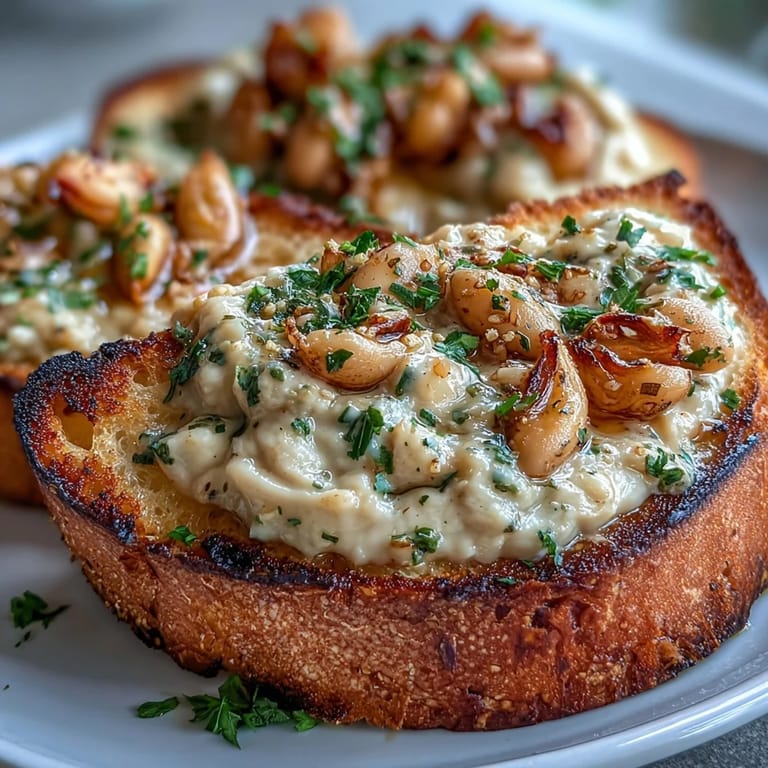
Save There's something about the smell of roasting garlic that fills an entire kitchen with warmth, and I discovered this spread on a lazy Sunday morning when I had half a head of garlic sitting around and a can of beans I'd been meaning to use. The creamy result was so simple yet so satisfying that I've made it dozens of times since, each time marveling at how a few humble ingredients transform into something that tastes like it came from a Mediterranean restaurant. Now it's my go-to when I want to impress without fussing, or when I just need something honest and delicious on toast.
My friend Maya came over on a Thursday evening, and I'd planned nothing special until I remembered this spread hiding in my fridge. I toasted some sourdough, spread it thick, drizzled with good olive oil, and watched her eyes light up after the first bite. She kept going back for more, asking what was in it like it was some complicated secret, and I loved telling her it was just beans and soft garlic and time in the oven.
Ingredients
- 1 head garlic: Roasting mellows garlic's bite into pure honey-like sweetness; buying a whole head instead of cloves makes it worth the effort.
- 2 tablespoons olive oil, divided: One tablespoon roasts the garlic to golden perfection, and the second goes into the blend for silky texture.
- 1 can (15 oz/400 g) cannellini beans, drained and rinsed: These creamy white beans are the secret base that makes everything smooth without any heaviness.
- 1 tablespoon fresh lemon juice: This small squeeze is your flavor lifter, cutting through richness with brightness.
- 1 teaspoon fresh thyme leaves (or ½ teaspoon dried thyme): Fresh thyme adds an herbaceous note that dried can't quite match, though dried works reliably in a pinch.
- ½ teaspoon salt and ¼ teaspoon black pepper: Start conservative here since you can always taste and add more, but once salt's in, it stays.
- 4 slices sourdough bread: The tang and chew of sourdough balances the spread's richness better than softer breads.
- Extra olive oil for drizzling: This final pour adds a polished finish and reminds you this is meant to be savored.
- Fresh herbs for garnish (optional): Parsley, chives, or thyme scattered on top make it look like you tried, even when you barely did.
Tired of Takeout? 🥡
Get 10 meals you can make faster than delivery arrives. Seriously.
One email. No spam. Unsubscribe anytime.
Instructions
- Heat your oven and prepare the garlic:
- Set your oven to 400°F and slice off just the very top of the garlic head to expose the cloves. You want to create a little opening without going too deep; think of it like giving the head a gentle haircut.
- Roast the garlic until it melts:
- Drizzle that exposed top with a tablespoon of olive oil, wrap the whole head snugly in foil, and slide it into the oven. Let it roast for 35 to 40 minutes, and you'll know it's done when the cloves feel completely soft when you squeeze them gently and smell sweet and mellow.
- Cool and squeeze:
- Once it comes out, let it rest just enough to handle, then squeeze each clove from its skin like toothpaste from a tube. The cloves should slip out effortlessly if they're roasted enough.
- Combine everything in the processor:
- Add the squeezed garlic, drained beans, the second tablespoon of olive oil, lemon juice, thyme, salt, and pepper to your food processor. Blend until you reach that creamy, cloud-like texture, stopping to scrape down the sides a couple of times so nothing hides at the bottom.
- Taste and adjust:
- This is your moment to decide if it needs more salt, more lemon brightness, or anything else. Trust what your mouth tells you.
- Toast your bread to crispy gold:
- Get your sourdough slices golden and crisp, whether in a toaster or on a grill pan, so they hold up to the spread without getting soggy.
- Assemble and serve:
- Spread the white bean mixture generously over each warm slice, drizzle with a little more olive oil, scatter herbs if you have them, and eat while everything is still warm.
 Save
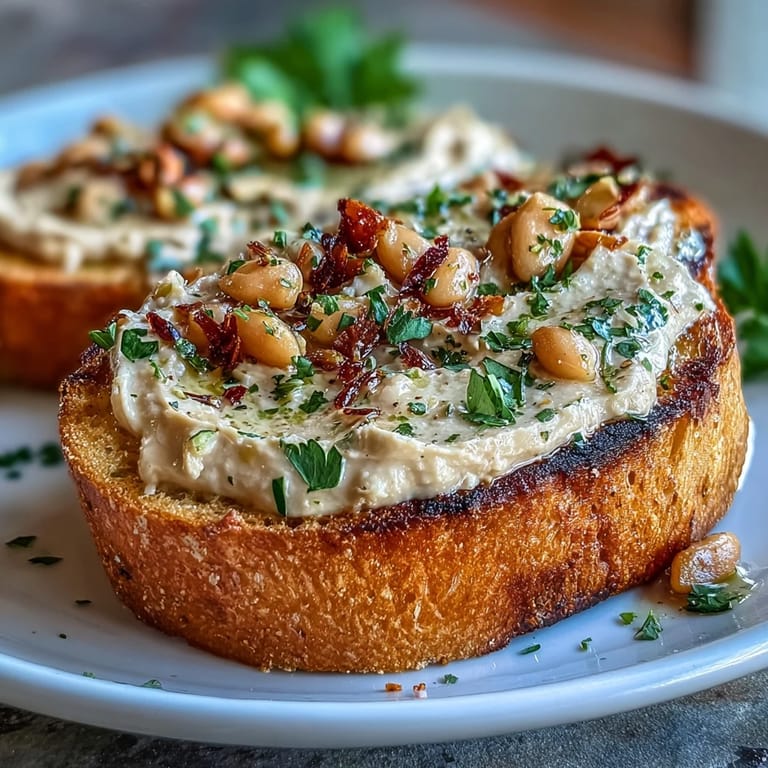
Save This spread became something sacred to me on a morning when I was feeling scattered and overwhelmed, and making it forced me to slow down, wait for the garlic, listen for the toast, notice the colors changing. By the time I sat down to eat, the whole day felt different, more manageable, more mine.
When to Serve This
I've learned this spread works beautifully at any hour, though it shines at brunch when people expect something a little elevated. It's also perfect as an appetizer before a meal, when you want something to quiet hungry guests while the main course finishes. Late night, after wine, it's an honest comfort on toast that tastes better than it has any right to.
Storage and Make-Ahead Wisdom
The spread keeps in a sealed container in your fridge for three days, and I often make it on Sunday to have ready for quick breakfasts or last-minute entertaining. You can even freeze it for up to a month, though the texture becomes slightly less cloud-like after thawing. I always layer a bit of olive oil on top before storing to keep it from drying out and to make it look intentional.
Ways to Make It Your Own
The beauty of this spread is that it welcomes small experiments without complaint. I've stirred in smoked paprika for depth, added red pepper flakes for heat, drizzled truffle oil for luxury, or mixed in sun-dried tomatoes for sweetness and texture. Sometimes I thin it down and serve it as a dip with vegetables or crackers instead of toast, and it works just as well.
- A tiny pinch of smoked paprika or cayenne transforms it into something with quiet warmth.
- Roasted red peppers blended in add color and a subtle sweetness that catches people off guard.
- Don't be shy with the garnish—it's the final touch that makes it feel intentional and alive.
 Save
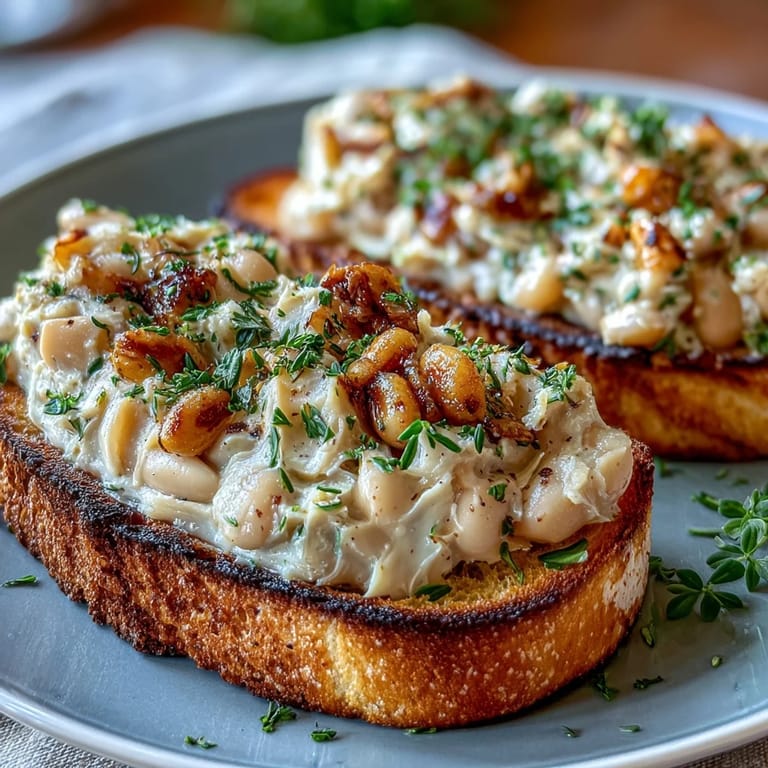
Save This recipe taught me that sometimes the most memorable food comes from working with what you have rather than what a recipe demands. It's become my answer to the question of what to make when you want something that tastes like you've been cooking all morning, but only have ten minutes to work.
Recipe Questions
- → How do I roast garlic properly?
Slice the top off a garlic head to expose cloves, drizzle with olive oil, wrap in foil, and roast at 400°F for 35-40 minutes until soft and golden.
- → Can I use canned beans instead of fresh?
Canned cannellini beans work well once drained and rinsed, providing a creamy base without extra cooking effort.
- → What is the best way to get a smooth spread consistency?
Blend the beans and roasted garlic thoroughly in a food processor, adding a splash of olive oil or water as needed to reach desired creaminess.
- → Which herbs complement the spread best?
Fresh thyme, parsley, and chives all enhance the flavor nicely, adding brightness and aroma without overpowering the garlic and beans.
- → Can this be made ahead of time?
Yes, the spread can be stored in the refrigerator for up to three days, making it convenient for advance preparation.
- → What breads work well for serving?
Crisp sourdough is ideal for its sturdy texture and tangy flavor, but other toasted artisanal breads can also work beautifully.