 Save
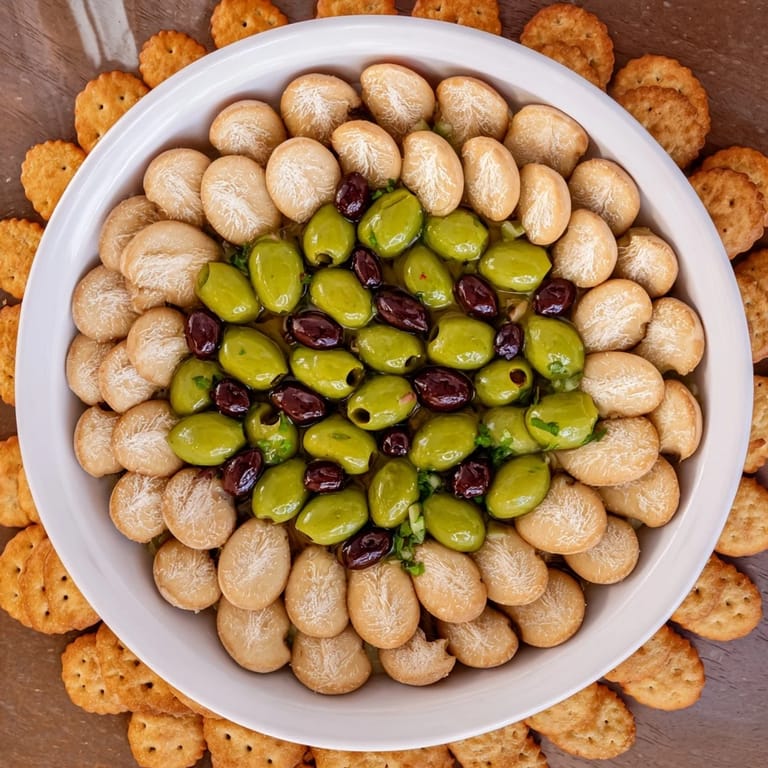
Save I discovered this platter idea while scrolling through photos of Rome at midnight, stuck between a craving for olives and a need to impress six unexpected guests with minimal effort. The Colosseum's grand circular architecture suddenly felt like the perfect blueprint for a snack board, and within ten minutes of that realization, I was arranging crackers like tiny amphitheater seats. There's something deeply satisfying about turning architecture into appetizers, especially when everyone gathers around and immediately recognizes the reference before tasting a thing.
My friend Marco walked into my kitchen while I was arranging crackers in spirals and genuinely thought I'd lost my mind until he saw the olives clustered in the center. He laughed so hard that he nearly knocked over the platter, then immediately started deconstructing the concept out loud—pointing out which crackers looked like the upper tiers, which ones resembled the underground chambers. By the time everyone arrived, he'd become my unofficial co-host, telling the story to each person as they approached the board, and suddenly what started as a silly idea became this enduring memory of a night when food became conversation became an actual event.
Ingredients
- Round or oval crackers (100–120 g, about 40–50 pieces): Choose ones sturdy enough to hold toppings without shattering—I learned this after my first attempt with delicate water crackers that crumbled at the slightest touch.
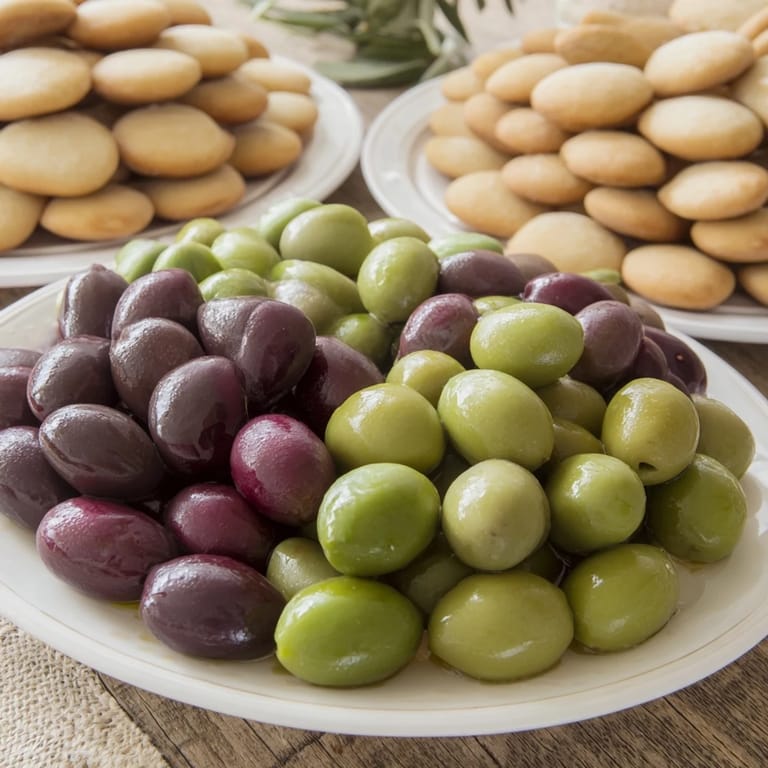
- Mixed olives (1 cup, about 150 g, pitted): The pitting matters enormously because nobody wants to fish pits out mid-bite at a party, so buy them pre-pitted or pit them yourself beforehand.
- Fresh parsley (2 tbsp, finely chopped, optional): A whisper of green brings the whole thing together visually and adds a fresh herbal note that cuts through the saltiness.
- Extra virgin olive oil (1 tbsp, optional): Use good oil here because it will shine on top of the olives and crackers—it's one of the few things people actually notice.
- Aged provolone or mozzarella (50 g, cubed, optional): Cheese adds richness and gives people another reason to come back for another handful.
- Cherry tomatoes (50 g, halved, optional): They add bright color and a pop of juicy sweetness that balances the salty olives beautifully.
Tired of Takeout? 🥡
Get 10 meals you can make faster than delivery arrives. Seriously.
One email. No spam. Unsubscribe anytime.
Instructions
- Find your arena:
- Choose a large round platter or wooden board that will be your canvas—I use a wood cutting board because it feels more casual and the olives look almost jewel-like against the grain.
- Build the tiers:
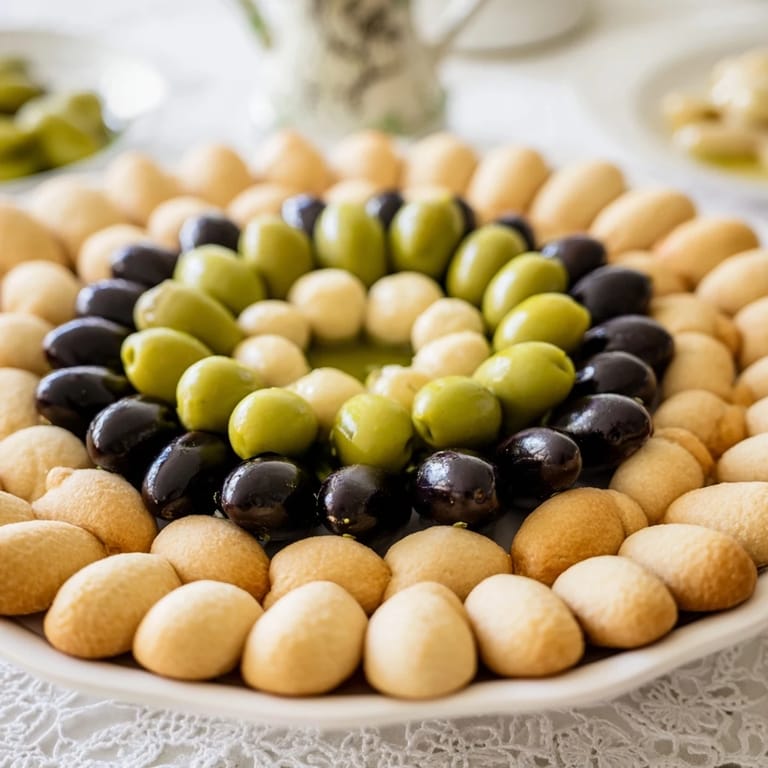
- Stand your crackers upright or angle them slightly, arranging them in concentric circles that spiral outward from the center like the Colosseum's actual stone seating sections. This takes patience but it's meditative, and two or three layers look far more dramatic than a single flat row.
- Crown the arena:
- Pile the mixed olives into the center mound, creating height and contrast with the crackers—this is where the drama lives, so don't be shy about building it tall.
- Add color and flavor:
- Scatter cubed cheese and halved cherry tomatoes around the olive center in pockets between the cracker layers, treating them like small flavor surprises waiting to be discovered.
- Final flourish:
- Sprinkle the chopped parsley over everything like confetti and drizzle with good olive oil if you're using it—these touches transform the whole thing from assembled to intentional.
- Present with pride:
- Serve immediately while the crackers are still at their crispest and everyone's still intrigued by the visual concept.
 Save
Save What struck me most was watching my eight-year-old niece actually ask what the Colosseum was because of this platter, and suddenly we were talking about ancient Rome between bites of crackers and cheese. That moment—when food becomes a gateway to curiosity and conversation—is exactly why I keep coming back to ideas like this one, even when they feel too whimsical to actually work.
Variations Worth Trying
I've swapped crackers for crostini when I wanted something sturdier, and for breadsticks when I wanted the whole thing to feel more like edible architecture that people could actually break off and eat without the platter falling apart. Each version changes the energy of the thing—crostini feels fancier, breadsticks feel more casual and fun. The formula stays the same but the personality shifts entirely, which is the beautiful part about this kind of assembly-based recipe.
Making It Work for Everyone
I've built vegan versions by simply skipping the cheese or using a plant-based block from the store, which honestly looks just as good and nobody misses the dairy because the olives and oil are doing the flavor work. Gluten-free guests get their own crackers swapped in, and I've even made a version using gluten-free breadsticks that was somehow more visually interesting because they stood up differently.
Pairing and Serving
This platter lives best next to a crisp Italian white wine or sparkling water with lemon—something cold and bright that echoes the Mediterranean flavors already happening on the board. I always set it in the center of whatever gathering I'm hosting because it becomes this gravitational point that naturally draws people together and keeps them standing around talking instead of retreating to separate corners of the room.
- The beauty is that everyone can customize their own bite, making it interactive rather than dictated by a baker's plating choices.
- Keep the oils and proteins separate from the crackers as long as possible, assembling just before guests arrive to maintain maximum crispness.
- If you're serving this as part of a larger spread, don't overcomplicate the rest of the menu—let this be the showstopper that does the conversational heavy lifting.
 Save
Save This is the kind of recipe that proves food doesn't need to be complicated to be memorable, and sometimes the best idea is the one that makes people smile before they even taste it. Serve it with the knowledge that you've just created something that works on every level—delicious, stunning, easy, and weirdly educational about ancient Rome.
Recipe Questions
- → What types of crackers work best for this platter?
Round or oval crackers with a sturdy texture hold shape well, allowing neat stacking in concentric circles.
- → Can I substitute olives with other ingredients?
Yes, consider using marinated artichoke hearts or roasted chickpeas to maintain a similar central visual effect.
- → How do I assemble the circular layers effectively?
Start placing crackers upright along the edge, slightly overlapping. Build inward with two or three layers for depth and authenticity.
- → Are there suggestions for making the platter vegan?
Simply omit cheese or use plant-based cheese alternatives to keep it vegan friendly without sacrificing presentation.
- → What garnishes complement the arrangement?
Fresh parsley adds color contrast and a mild herbal aroma, while a light drizzle of quality olive oil enhances flavor richness.