 Save
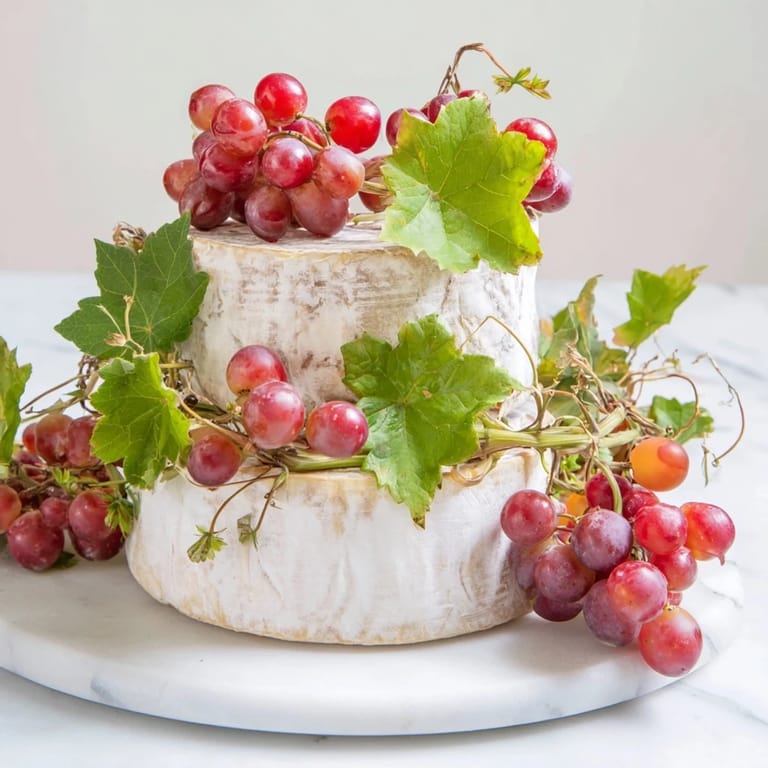
Save There's something about untreated grapevines that takes me back to a small vineyard visit in Provence, where I watched an elderly cheesemaker arrange blocks of fresh tomme on a wooden table with nothing but grapevines and what she called 'the harvest around them.' That simple gesture—draping vines like a natural garland—has stayed with me ever since. When I recreate it at home, I'm not just serving cheese; I'm inviting people into that memory of abundance and careful simplicity.
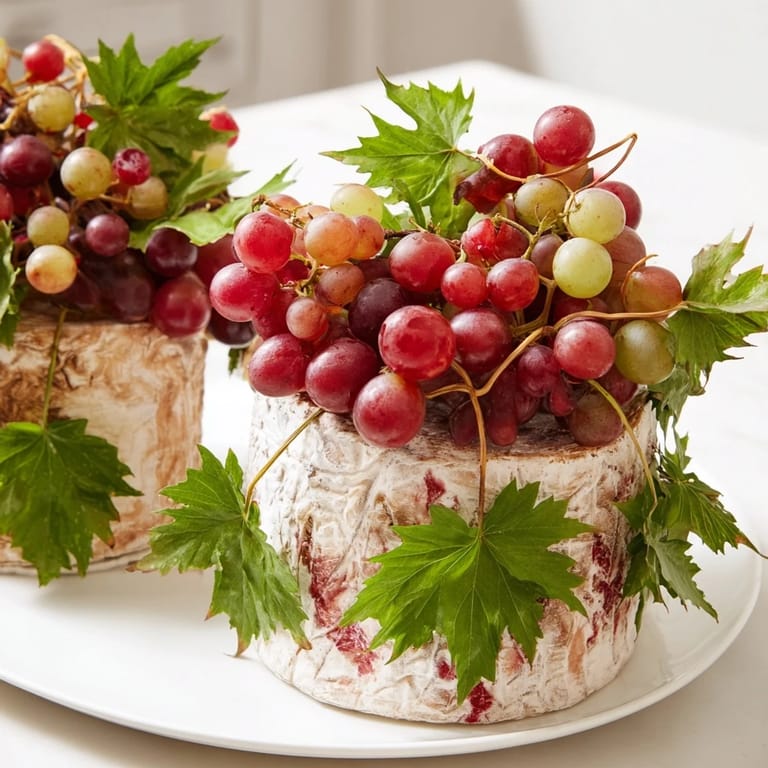
I tested this at a September dinner when my cousin brought fresh grapes from her garden, and I had just scored a gorgeous wheel of young pecorino from a local producer. We arranged it all on my grandmother's wooden board, and honestly, the platter sat untouched for a good ten minutes—everyone was too busy taking photos and admiring how the leaves caught the evening light. When we finally ate, the cheese tasted even better knowing it had been part of something people wanted to remember.
Ingredients
- Young, rustic, unfinished cheese (2 large wheels, about 1.5 kg each): Tomme, young pecorino, or farmhouse varieties work beautifully because their mild, slightly tangy flavor doesn't compete with the delicate taste of fresh grapes and bread—look for cheeses with a slightly wrinkled rind that suggests they're handmade.
- Long, untreated grapevine branches (3–4): These are the scaffolding of your presentation, so source them from trusted organic growers or vineyards you know, then wash and let them air dry for a few hours so the leaves stay supple and green.
- Fresh grapes (500 g, red, green, or mixed): Leaving them on the stem makes them easier to share and gives your board that just-picked integrity.
- Baguette or rustic country bread: Slice this just before serving so it stays tender and can actually cradle the cheese without crumbling.
- Assorted nuts (100 g) and dried fruits (100 g, optional): These add textural contrast and fill any gaps, but honestly, the vines and cheese are the stars—think of nuts and figs as supporting players.
Tired of Takeout? 🥡
Get 10 meals you can make faster than delivery arrives. Seriously.
One email. No spam. Unsubscribe anytime.
Instructions
- Lay the foundation:
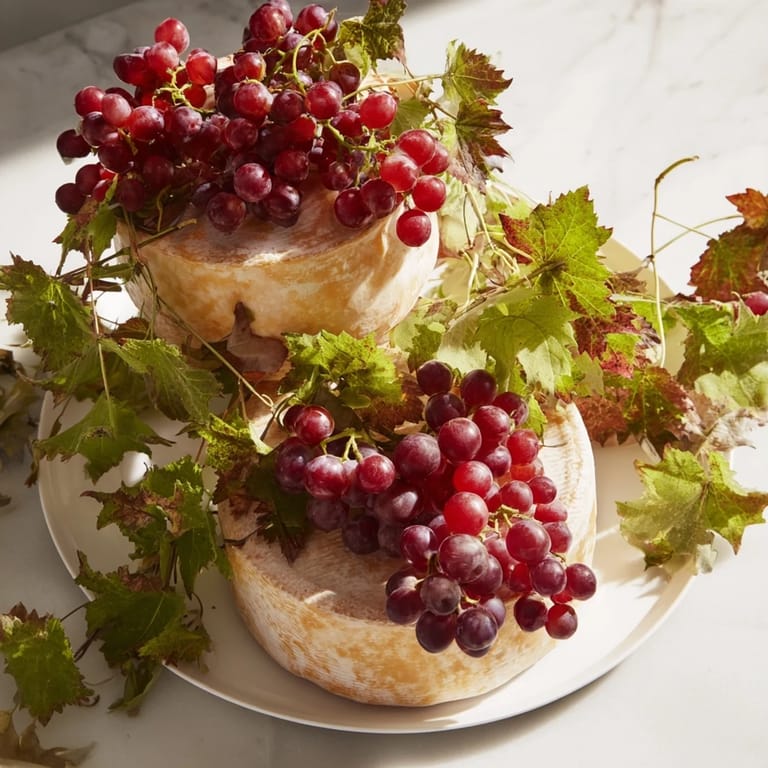
- Place your wooden board in front of you and drape the grapevine branches across it in a loose, organic way—let them wind around imaginary center points where your cheese wheels will sit. You're not aiming for symmetry; you want it to look like the vines grew that way naturally.
- Settle the cheese:
- Position the two wheels on the board so the vines cradle them but don't cover them completely. The goal is to see enough cheese so guests know what they're approaching, with the vines framing it like a natural halo.
- Nestle the grapes:
- Tuck clusters of grapes between the vines and around the cheese wheels, filling gaps and adding pops of color. Let some grapes rest directly against the cheese so their coolness transfers slightly.
- Add bread and accompaniments:
- Arrange sliced bread in a small pile to one side, then scatter nuts and dried fruits in little groupings—this makes it easy for guests to build their own bites without having to hunt for components.
- Serve with intention:
- Bring the board out at room temperature so the cheese has its full, creamy texture and the grapes taste bright and cold by contrast. Provide a sharp cheese knife and let people cut their own slices.
 Save
Save I'll never forget the moment a friend's seven-year-old daughter asked if the vines were 'real from a real vineyard,' and when I said yes, she treated every grape she picked like treasure. That's when I realized this dish isn't about technical skill or fancy plating—it's about creating a moment where people slow down and notice what's in front of them.
Sourcing Your Cheese
The cheese here is everything, so don't grab whatever's on sale at the supermarket. Visit a cheesemonger or farmers market and ask for young, unfinished wheels—these tend to be locally made and have a delicate, almost milky texture that pairs perfectly with fresh grapes. A good cheesemonger will let you taste before buying and can often direct you to producers with untreated grapevines nearby. When you hold a young tomme or pecorino and smell the faint earthiness of fresh dairy, you'll know you've found the right one.
Timing and Temperature
This is not a dish you assemble at the last second and pop in the fridge. The magic lives in room-temperature contrast—cool grapes against creamy cheese, crunchy bread against soft cheese. Assemble the board no more than an hour before your guests arrive, and if your kitchen is warm, keep it in a cool corner of the dining room rather than the refrigerator. The vines will stay fresher and more flexible if they're not chilled, and your cheese will taste exponentially better when it hasn't been sitting cold.
Making It Feel Abundant
Even though this feels indulgent, you're using very simple economics: a large wooden board, two wheels of cheese, some vines, and grapes create an impression of extravagance with minimal waste or fussiness. The presentation does the heavy lifting. I've learned that people remember how generous a table felt, not how complicated the food was. Don't skimp on the board size—go oversized and let things breathe.
- If fresh grapes aren't in season, use them in clusters smaller than you think you need, then fill gaps with dried figs or apricots for color and texture.
- A drizzle of local honey over one of the cheese wheels (done just before serving) adds a subtle sweetness that guests never see coming.
- Pair this with crisp white wine or a light, fruity red, and let people make their own choices about what tastes good together.
 Save
Save This dish has become my quiet rebellion against the idea that hospitality has to be complicated. It's a reminder that sometimes the most generous, memorable spread is the one that honors what's already beautiful in its raw form. Serve it, watch people's faces light up, and you'll understand why it works.