 Save
Save There's something about setting a table on a sun-drenched patio that makes even the simplest gathering feel like a celebration. I discovered this mezze platter years ago when a friend casually arranged cheese, vegetables, and dips on a wooden board during a lazy summer afternoon, and I realized how much easier hosting could be. The beauty of it is that there's no cooking involved—just thoughtful arrangement and the kind of generosity that comes from letting quality ingredients speak for themselves. What struck me most was how guests lingered longer, grazing and chatting, because the platter invited you to take your time. Now whenever the sun hits the kitchen at just the right angle, I find myself building one of these boards almost instinctively.
I'll never forget the afternoon my neighbor brought her elderly mother over, and she sat for hours with a plate in her lap, picking at cucumber slices and feta while we talked about gardens and grandchildren. My neighbor later told me her mother rarely ate much anymore, but she'd come back asking for "that lovely board" again. That's when I understood this wasn't just about appetizers—it was about creating space for connection.
Ingredients
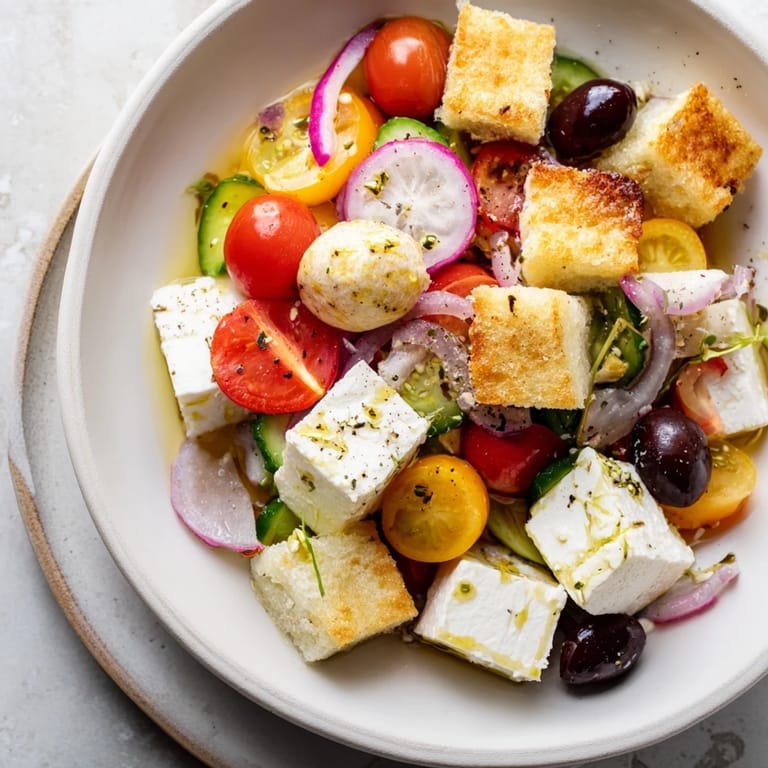
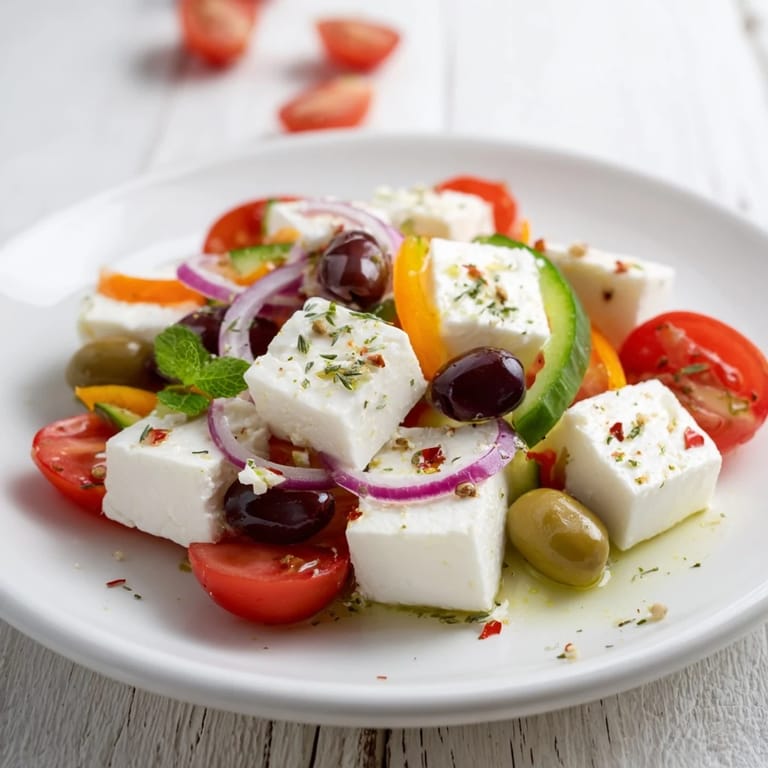
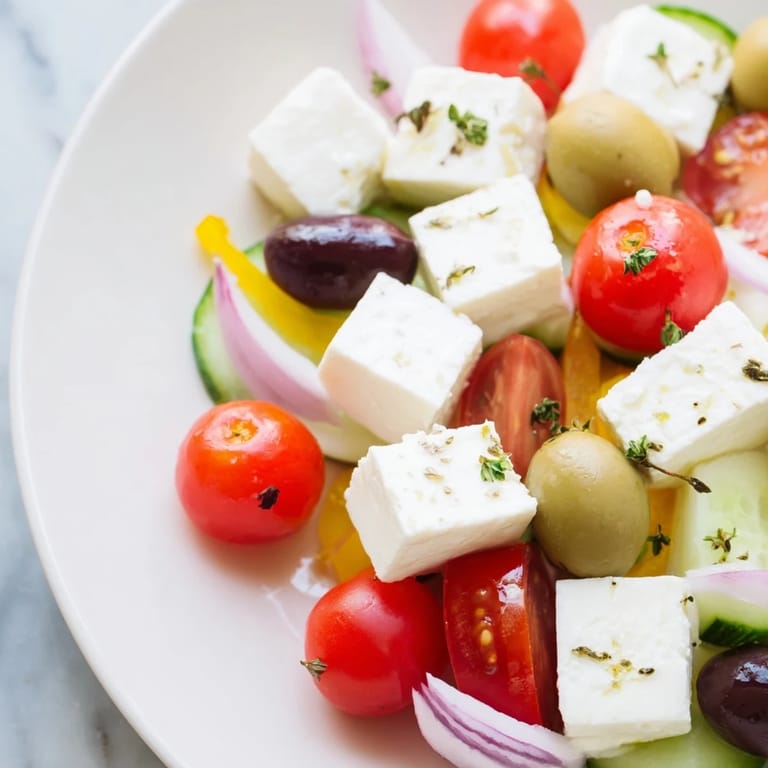
- Feta cheese, cubed: The salty, crumbly backbone that holds everything together; buy it from a proper cheese counter if you can, as it makes a real difference in creaminess and tang.
- Fresh mozzarella balls: These delicate little spheres add a mild, milky counterpoint to the sharp feta and should be drained well so they don't weep onto your board.
- Cucumber, sliced into rounds: The cooling, crisp element that reminds you it's summer; slice them just before serving so they stay snappy and fresh.
- Cherry tomatoes, halved: Sweet bursts of flavor that bring the whole platter to life, especially if you find a batch that's actually been ripened in the sun.
- Yellow bell pepper, sliced: Adds both visual pop and a gentle sweetness that balances the salty cheeses and briny olives beautifully.
- Red onion, thinly sliced: A sharp, slightly peppery note that cuts through the richness; don't skip it even though it seems like just a garnish.
- Radishes, sliced: These bring an unexpected peppery crunch that catches people by surprise in the best way.
- Kalamata olives, pitted: Briny, meaty, and absolutely essential—they're the flavor anchor that ties everything to the Mediterranean.
- Hummus and tzatziki: The dips turn this from a cheese board into something more substantial, giving people options for how they want to eat.
- Extra virgin olive oil: A good one tastes like sunshine; drizzle it sparingly because it's doing the real work here.
- Fresh mint and dill: These herbs are not decoration—they're what transform the board from nice to memorable, adding an herbaceous freshness that lingers.
- Sea salt and cracked black pepper: Season generously; underseasoning is the most common mistake people make with boards like this.
Tired of Takeout? 🥡
Get 10 meals you can make faster than delivery arrives. Seriously.
One email. No spam. Unsubscribe anytime.
Instructions
- Start with your canvas:
- Lay out your platter or wooden board as if you're painting—think about the negative space as much as what you're placing down. The gaps and breathing room are what make this look inviting rather than crowded.
- Anchor with cheese:
- Place your feta cubes and mozzarella balls in separate clusters, leaving intentional white space between them like islands. This creates visual rhythm and makes people's eyes travel across the whole board.
- Arrange vegetables in clusters:
- Rather than scattering everything randomly, fan out your cucumber slices in one section, pile your tomatoes nearby, and group your peppers together. This makes the board feel organized and thoughtful, not chaotic.
- Add olives and depth:
- A small bowl or pile of Kalamata olives anchors the composition and gives you a focal point. If you're using a small bowl, nestle it right into the board so it feels intentional.
- Position your dips:
- Pour hummus and tzatziki into small shallow bowls—this is worth the extra step because it keeps them contained and makes them feel like special components rather than afterthoughts. Nestle these bowls into open spaces on the board.
- Anoint with oil and season:
- Drizzle olive oil across the cheese and vegetables, then hit everything with sea salt and cracked pepper. This step tastes like finishing a painting—suddenly everything tastes like itself, but better.
- Scatter your herbs and serve:
- Tear or snip fresh mint and dill over everything just before guests arrive, so the herbs stay bright and aromatic. This final step is what people remember most.
 Save
Save What made me fall in love with this way of serving was realizing it's not about impressing people with complicated cooking—it's about giving them permission to slow down and enjoy something simple and good. The platter itself becomes the centerpiece, and somehow that makes the gathering feel more thoughtful.
The Art of Board Building
Building a mezze platter is less like following a recipe and more like composing a still life. I've learned that symmetry is overrated—the most beautiful boards have an organized scatter, where similar items cluster together but the overall effect feels natural rather than staged. Think of how a farmer's market vendor displays fruit, not how a department store arranges products. The wooden board matters too; something about wood adds warmth that ceramic or marble can't quite match. I always choose boards with character, maybe some grain visible, because that imperfection actually makes everything on top look fresher and more intentional.
Pairing and Timing
This board comes alive in the late afternoon, when people are hungry but not ravenous, and the light is doing that golden thing that makes everything look better. A cold glass of Sauvignon Blanc or light rosé sits nearby, and suddenly what was just appetizers becomes a moment. I've noticed that guests eat differently with a board like this than they do with passed appetizers or plated courses—there's a grazing rhythm that feels social and relaxed. The beauty is that you can prepare it 30 minutes ahead if needed, and it actually gets better as flavors meld slightly, though the freshness and crunch fades after about an hour.
Making It Your Own
The real magic of this platter is that it's a framework, not a mandate. Some days I'll swap the yellow pepper for orange, or use white feta one time and goat cheese another. I've added sumac for earthy warmth, or even a small bowl of marinated artichoke hearts when I'm feeling fancy. The vegetables should sing with whatever the current season offers—spring radishes are different from summer tomatoes, and that's the whole point. If you're feeding vegans, skip the cheeses and add roasted chickpeas or marinated mushrooms for protein and substance.
- Taste and season as you build, because what seemed well-balanced in your head might need an extra pinch of salt or pepper once it's all assembled.
- Keep your board cold until the moment guests arrive, either in the fridge or by sitting it on a bed of ice underneath.
- Have extra napkins nearby because eating with your hands is half the pleasure, and people will use them.
 Save
Save There's a quiet confidence that comes from setting down a board like this and knowing you've created something beautiful without breaking a sweat. It's the kind of generosity that feels effortless, even though it's actually quite thoughtful.
Recipe Questions
- → What cheeses are best for this platter?
Feta and fresh mozzarella (bocconcini) complement each other well, offering creamy and tangy notes.
- → Can I substitute any ingredients for dietary needs?
Yes, use plant-based feta and vegan mozzarella alternatives for a dairy-free option, and gluten-free crackers or pita to keep it gluten-free.
- → How should the vegetables be prepared?
Slice cucumber into rounds, halve cherry tomatoes, cut bell peppers into strips, thinly slice red onion, and slice radishes for crisp, bite-sized pieces.
- → What is the best way to present this mezze platter?
Arrange ingredients in small clusters with generous space in between on a large board or platter to create an inviting and airy layout.
- → Are there recommended garnishes or finishing touches?
Drizzle with extra virgin olive oil, sprinkle sea salt and cracked black pepper, and garnish with fresh mint and dill sprigs for a fresh finish.
- → What drinks pair well with this spread?
A chilled Sauvignon Blanc or a light rosé enhances the bright Mediterranean flavors beautifully.