 Save
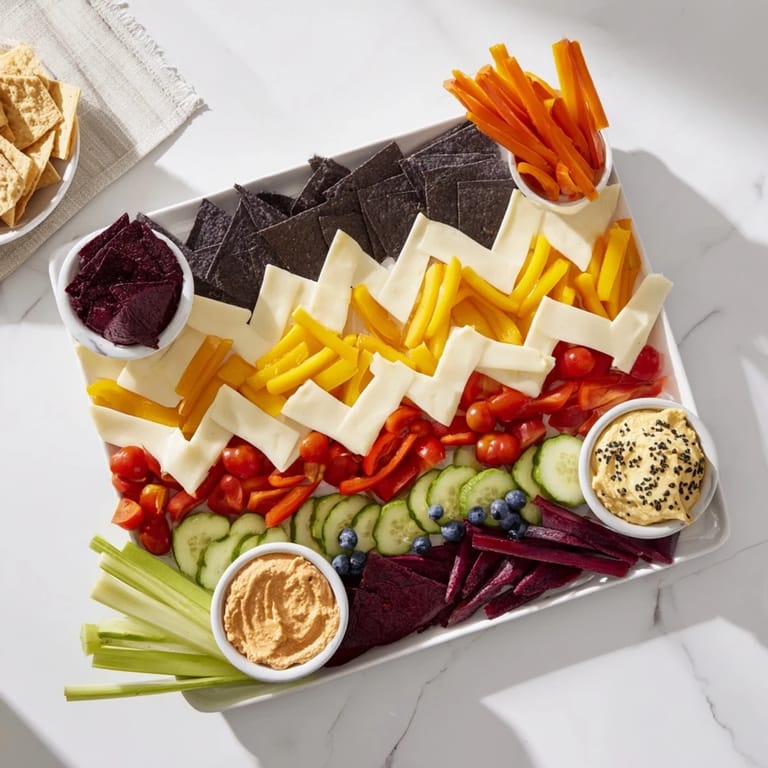
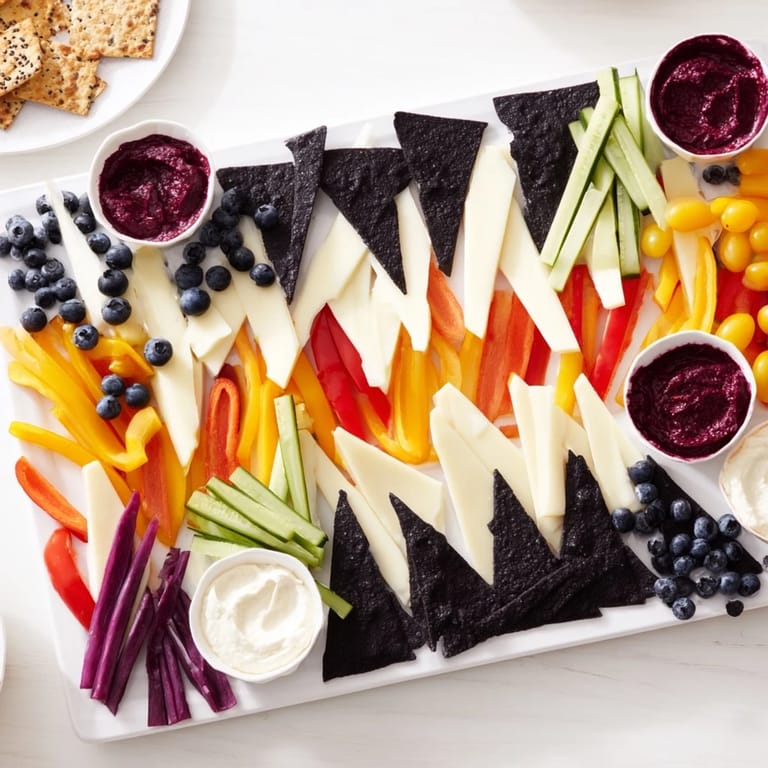
Save I'll never forget the moment I decided to stop arranging cheese and vegetables like I was filling a lunchbox and started thinking like an artist instead. A friend came over on a Friday evening, and I wanted to impress her with something that looked as good as it tasted. That's when the idea struck me—what if I arranged everything in bold, geometric lines, like nature's own lightning bolt? The result was this stunning Zig-Zag Lightning Strike platter, and suddenly appetizers became performance art.
The real test came when I made this for a dinner party where I was nervous about impressing some serious foodies. I arranged that zig-zag pattern with trembling hands, doubting myself the whole time. But when everyone walked in and gasped—actually gasped—at the visual impact, I realized that presentation isn't just about making things look nice. It's about creating an experience, a memory, a conversation starter.
Ingredients
- Red bell pepper strips, 1 cup: The warm anchor color that draws the eye. I always choose peppers that feel heavy for their size—they're juicier and sweeter that way.
- Yellow bell pepper strips, 1 cup: Pure sunshine on your platter. The brightness here balances the deeper colors beautifully.
- Cucumber sticks, 1 cup: The refreshing middle note that keeps things light. Cut them on a slight bias for that modern, sharp-edged look.
- Purple carrots, cut into sticks, 1 cup: These are the drama queens of the vegetable world. They add an unexpected elegance that regular orange carrots just can't match.
- Sharp white cheddar, sliced into thin angular pieces, 100 g: The creamy counterpoint to all those fresh vegetables. Slicing it thinly means more surface area to catch the light, and it melts on your tongue.
- Black wax gouda, sliced, 100 g: This is where the magic happens—that deep color creates instant contrast, and the subtle sweetness is completely unexpected.
- Blueberries, 1/2 cup: They're jewels scattered throughout, adding pops of color and a burst of tart sweetness.
- Golden cherry tomatoes, halved, 1/2 cup: These little golden coins catch the light and add a juicy element that makes everything feel fresh.
- Beet hummus, 1/2 cup: I discovered this dip completely by accident, and now I use it for everything. The earthiness pairs perfectly with the crisp vegetables.
- Classic hummus, 1/2 cup: The reliable friend that brings people together. It's creamy, it's familiar, and it never lets you down.
- Blue corn tortilla chips, 1 cup: The deeper blue color reinforces the modern, bold aesthetic of this platter. Plus, they taste incredible.
- Black sesame rice crackers, 1/2 cup: These add the final touch of sophistication. The nutty flavor and delicate crunch elevate the whole thing.
Tired of Takeout? 🥡
Get 10 meals you can make faster than delivery arrives. Seriously.
One email. No spam. Unsubscribe anytime.
Instructions
- Prep like you're setting a stage:
- Wash everything thoroughly and pat it completely dry—water is the enemy of crispness. Cut your vegetables and fruits into long, angular strips, almost like you're creating a visual rhythm. Think sharp lines, think intentional angles. This isn't casual chopping; it's purposeful creation.
- Lay down your lightning:
- Place your large board or platter in front of you and imagine a diagonal line running from one corner to the opposite corner. This is your zig-zag path. Start laying down your ingredients in bold alternating stripes—red pepper next to white cheddar next to cucumber next to black gouda. The contrast is what makes this work. Step back and look at it. Does it feel like a lightning bolt? If not, keep adjusting until it does.
- Position your dips with drama:
- Pour your beet and classic hummus into small bowls and place them at strategic junctions along your zig-zag, like little color explosions. These aren't just functional—they're part of the visual story.
- Frame with crunch:
- Tuck your tortilla chips and sesame crackers along the outer edges of your zig-zag pattern, almost like a frame around a painting. This reinforces those sharp lines and adds textural interest.
- Scatter your jewels:
- Finally, scatter your blueberries and halved cherry tomatoes along the zig-zag path like you're adding the final details to a masterpiece. These pops of color tie everything together.
- Present and serve:
- Take a moment to admire your work before bringing it to the table. Serve immediately so everything stays crisp and vibrant. Watch people's faces light up.
 Save
Save The moment that made me fall in love with this platter was when my grandmother—who's impossible to impress—picked up a piece and said, 'This is how modern people eat art.' I realized then that food arranged with intention becomes something more than nourishment. It becomes a conversation, a memory, a little piece of joy on a board.
The Art of Contrast
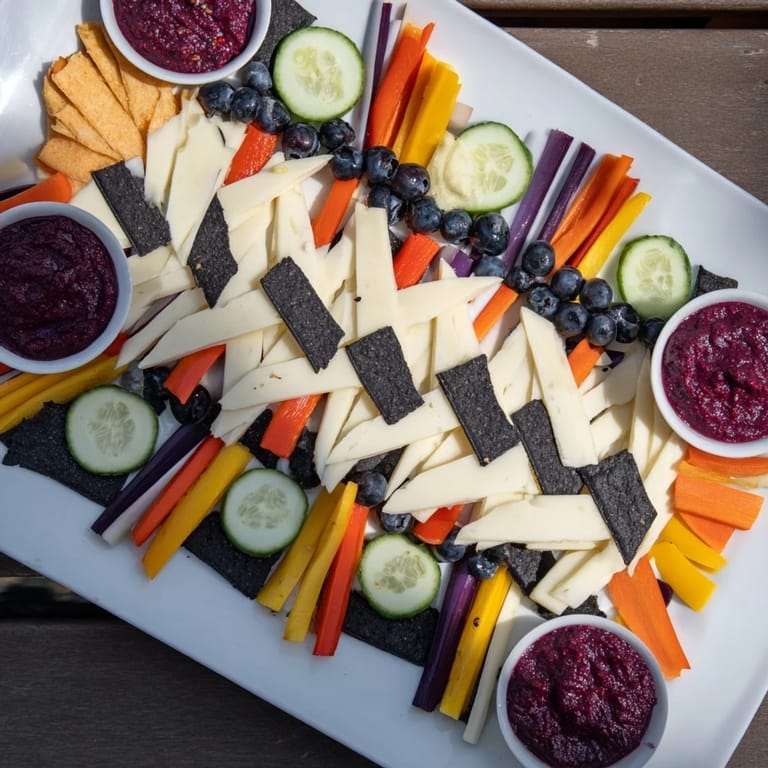
The secret to this platter's visual power isn't just the arrangement—it's the careful balance of light and dark, soft and crisp, sweet and savory. When you're selecting your ingredients, think about how they'll look next to each other. The sharp white cheddar gains its power from sitting beside the dark gouda. The red pepper sings when it's next to the cool purple carrots. Every choice you make should enhance what comes next to it, creating a visual harmony that makes people want to eat it.
Building Your Perfect Board
Over time, I've learned that the actual ingredients matter less than understanding the principles behind them. You can swap vegetables based on the season, try different cheeses based on what's available, but the magic stays the same if you honor the contrast, the sharp lines, and the bold arrangement. This platter is really a template for thinking about appetizer boards differently—not as a random collection of snacks, but as a carefully composed visual experience.
Variations and Personal Touches
This is where you make it your own. I've added roasted beet slices for extra earthiness, tried different colored hummus, even experimented with microgreens for a delicate touch. The framework stays the same, but the details become yours. One time I made it with a vegan cheese blend and honestly couldn't tell the difference—the visual impact was just as stunning, and that's what matters most.
- For the vegan version, quality plant-based cheeses work beautifully and maintain that sharp visual contrast you need.
- Golden beets roasted until just tender add a sophisticated sweetness that regular beets can't match.
- Pair this with a crisp Sauvignon Blanc or even sparkling water with fresh lemon for the perfect beverage complement.
 Save
Save Every time I make this platter, I'm reminded that cooking is as much about beauty as it is about taste. There's something deeply satisfying about creating something that makes people happy before they even take a bite.
Recipe Questions
- → How do I create the zig-zag pattern effectively?
Arrange ingredients diagonally across your board alternating colors and textures. Place dips strategically at junctions and tuck chips around edges to accentuate the angular form.
- → Can I substitute the cheeses for a vegan option?
Yes, plant-based cheeses with firm textures work well to maintain the sharp contrast and structure of the arrangement.
- → What are good pairings with this platter?
Crisp white wines like Sauvignon Blanc or sparkling water with a lemon twist complement the fresh and bold flavors beautifully.
- → How can I enhance the color variety?
Adding roasted beet slices or golden beets offers more vibrant color contrast alongside the fresh vegetables and fruits.
- → Are there gluten-free options included?
Yes, substitute regular crackers with gluten-free alternatives to accommodate dietary needs without sacrificing crunch.